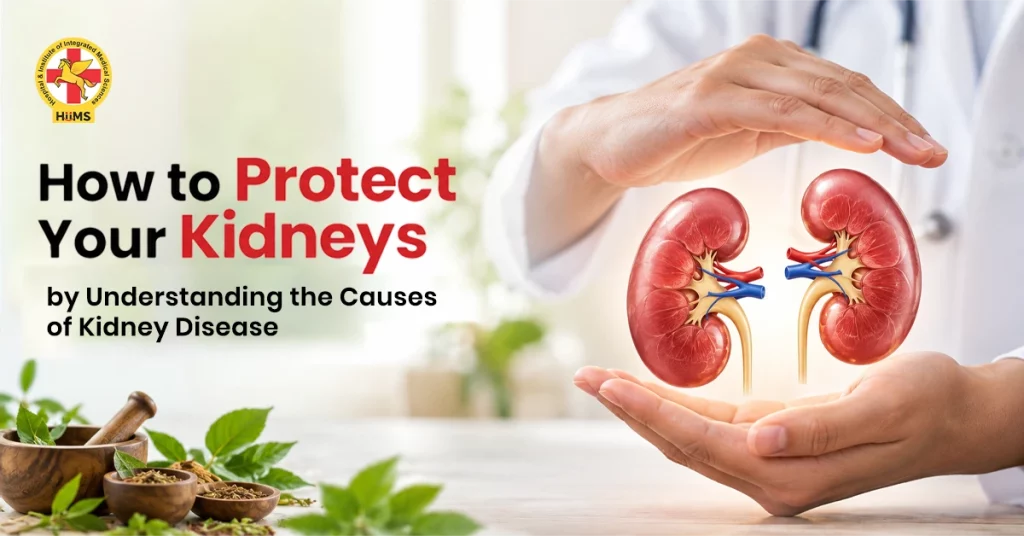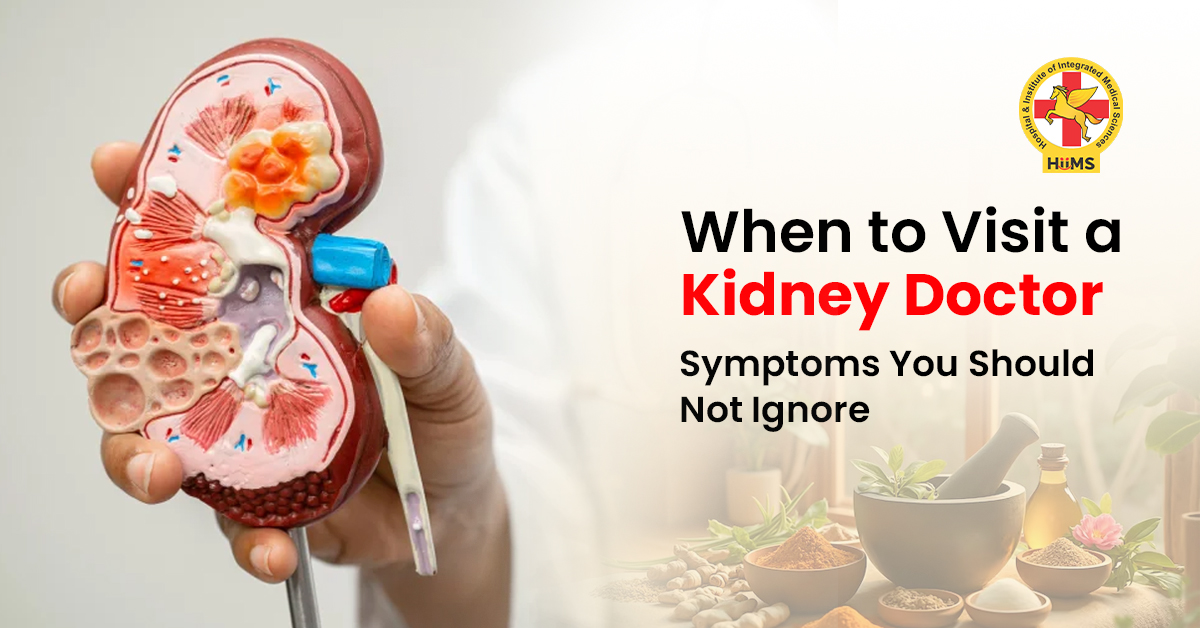

Kidneys are quiet workers. They do their job without asking for attention, filtering liters of blood every single day with a discipline that almost feels spiritual. The signs you once ignored start calling out a slight swelling near the ankles, a strange tiredness that doesn’t leave even after rest, or a small but stubborn change in your urine.
This guide stays simple and steady. No confusing words, no heavy information. Just a clear, honest path that tells you what your kidneys do, what happens when they begin to get tired, and the exact moment when visiting a kidney doctor becomes important.
If you feel a small worry inside you or if someone at home seems a bit different, a little not themselves, it highlights early signals, small habits that help, and the gentle signs that tell you when you must reach out to a kidney specialist.
Kidneys’ Role
Your kidneys are like two loyal caretakers.They clean the blood, balance water and salts, keep blood pressure steady, and even affect your overall energy.They work silently, without asking for much, until the day they begin giving small hints that something inside needs attention.
Causes of Kidney Damage
Kidney problems don’t come suddenly. They grow slowly, quietly, and almost secretly. Damage builds because of:
- Too much salt that quietly puts pressure on the kidneys.
- Not drinking enough water, eating meals late at night.
- Stress sits inside the body like hidden weight.
- Many years of uncontrolled diabetes, long-term use of certain medicines.
- High blood pressure is wearing down kidney tissue.
- Toxins in food, water, and the environment.
Each small factor may look harmless, but together they slowly weaken the filtration system.
Kidney Disease Symptoms
Most kidney disease symptoms begin slowly and silently:
- Persistent tiredness, sudden cramps.
- Swollen or puffy feet.
- Foamy or bubbly urine.
- Low appetite, broken sleep.
- Itching from deep inside the skin.
If ignored, these grow into stronger chronic kidney disease symptoms.
A. Chronic Kidney Disease Symptoms
Chronic kidney disease shows up quietly through fatigue, swelling, and gradual shifts in urine patterns.
- Heavy fatigue.
- Swelling in legs, feet, or face.
- Changes in urination (more, less, or at night).
- Nausea, vomiting, and weight loss. Dry, itchy skin.
- Breathlessness.
- Metallic taste or strange-smelling breath.
- Poor concentration.
- Muscle cramps and restless nights.
Since early CKD often feels like “just being tired,” early testing becomes the safest protection.
B. Kidney Stone Symptoms
When minerals in urine collect and harden, stones form small but extremely painful.
Common symptoms include:
- Sudden, sharp pain in the side or back.
- Pain moving towards the groin.
- Burning sensation during urination.
- Constant urge to urinate.
- Blood in urine.
- Cloudy or foul-smelling urine.
- Nausea or vomiting.
- Fever or chills (needs urgent care).
Related Post: Kidney Stone Treatment Without Surgery
C. Kidney Cancer Symptoms
Kidney cancer stays quiet in the beginning. Later, it starts showing signs like:
- Blood in urine
- Deep tiredness
- Constant pain in the back or side
- A lump in the lower back or abdomen
- Sudden weight loss
- Loss of appetite
- Fever
- Night sweats
- Swelling in legs
- High blood pressure
- Anemia
Since these symptoms look similar to other kidney issues, proper medical check-up is important.
When to See a Doctor
See a doctor when symptoms don’t improve or keep getting worse.
- Blood or protein in urine.
- Swelling in the hands, feet, or face.
- Continuous urine changes.
- Signs of kidney infection.
- Kidney stone symptoms.
- High blood pressure that doesn’t settle.
- CKD or kidney failure symptoms .
A nephrologist is a doctor who specializes in kidney problems, diagnosing disease, managing kidney failure, guiding dialysis, and handling transplant care.

Why Choose Jeena Sikho HiiMS
At Jeena Sikho HiiMS, the kidney care begins with listening. They test carefully, understand your body, and design a recovery plan that feels practical and safe. Their approach mixes natural healing with medical guidance to give long-term wellness.
Key Supportive Therapies at Jeena Sikho HiiMS
1. Detox & Cleansing Support: Gentle cleanses that reduce toxins and ease pressure on the kidneys.
2. Circulation-Based Therapies: Improve blood flow and help natural filtration.
3. Kidney-Friendly Diet Plans: Simple, seasonal, plant-based food.
4. Herbal Support: Doctor-guided herbs to support kidney health.
5. GRAD System: A gentle, noninvasive system including:
- Hot Water Immersion
- Head-Down Tilt Therapy
- A plant-based DIP Diet
Together, these support better blood flow, reduce creatinine levels, and help kidney function.
6. Panchakarma Therapies: Vamana, Virechana, Basti, Nasya, and Raktamokshana are guided detox treatments that help balance the body.
Daily Kidney-Friendly Tips
- Eat fruits, vegetables, and light meals.
- Reduce salt, fried food, and packaged snacks.
- Drink water mindfully.
- Walk daily, and sleep on time.
- Track your water and salt intake.
Conclusion
Protecting your kidneys is not a dramatic task. It is slow, steady, and gentle. Drink carefully, lower your salt, move your body, and listen to the early warnings your body gives. Visiting a specialist kidney doctor at the right time can prevent chronic kidney disease from getting worse. For personalised kidney care, contact Jeena Sikho HiiMS at +918270482704 or email at care@jeenasikho.com
FAQs
1. What are the earliest signs that my kidneys are struggling?
Mild swelling, frothy urine, loss of appetite, tiredness, or changes in urination.
2. Are kidney stones and kidney disease symptoms the same?
Stones cause sharp pain and burning. Kidney disease begins quietly.
3. Does kidney cancer show early signs?
Early symptoms are not visible. Later symptoms include blood in urine, back pain, and weight loss.
4. Should I drink more water for kidney health?
People with kidney issues may need limited fluids. Follow your doctor’s advice.
5. When should I visit a kidney doctor?
If swelling, fatigue, or urine changes continue for days, visit a nephrologist.
Ayurvedic Kidney Care Products
100% natural, certified Ayurvedic formulations crafted for targeted kidney wellness.


Disclaimer: The information provided on this blog is for general educational and informational purposes only. It is not intended to replace professional medical advice, diagnosis, or treatment. Always consult a qualified healthcare professional before making any changes to your diet, lifestyle, or treatment plan. Individual results may vary.