
Low blood pressure is something many people put aside, but the body rarely gives signals without a reason. Sometimes the signs are so mild that we don’t even realise what is happening, and the day just feels abnormal. You stand up, and the world shifts a little. Your vision blurs for a moment, or you feel tired even after a light activity.
These small moments look simple, but together, they tell a bigger story. Understanding the symptoms of low blood pressure helps you notice what your body is trying to say. And once you recognise it early, you can manage your day better, avoid sudden discomfort, and take care of your energy.
In this blog, we will explore these signs in a simple, helpful way and also look at how Ayurveda views them. By the end, you’ll know what to look for and how natural practices can support your body.
Table of Contents
Why Blood Pressure Drops: A Simple Explanation
Low BP mostly happens when blood doesn’t circulate strongly enough. It can occur due to dehydration, long gaps between meals, too much stress, sudden standing, weakness, or even low energy levels.
At times, the body struggles to push blood upward against gravity, especially toward the brain. Modern diagnosis, like BP monitoring, helps you understand the pattern, but the day-to-day reasons behind it are often very basic.
Early Low BP Symptoms People Commonly Notice
The early signs usually come in small waves, but you can feel them clearly if you pay attention. These fall under the symptoms of low blood pressure that show up in everyday life.
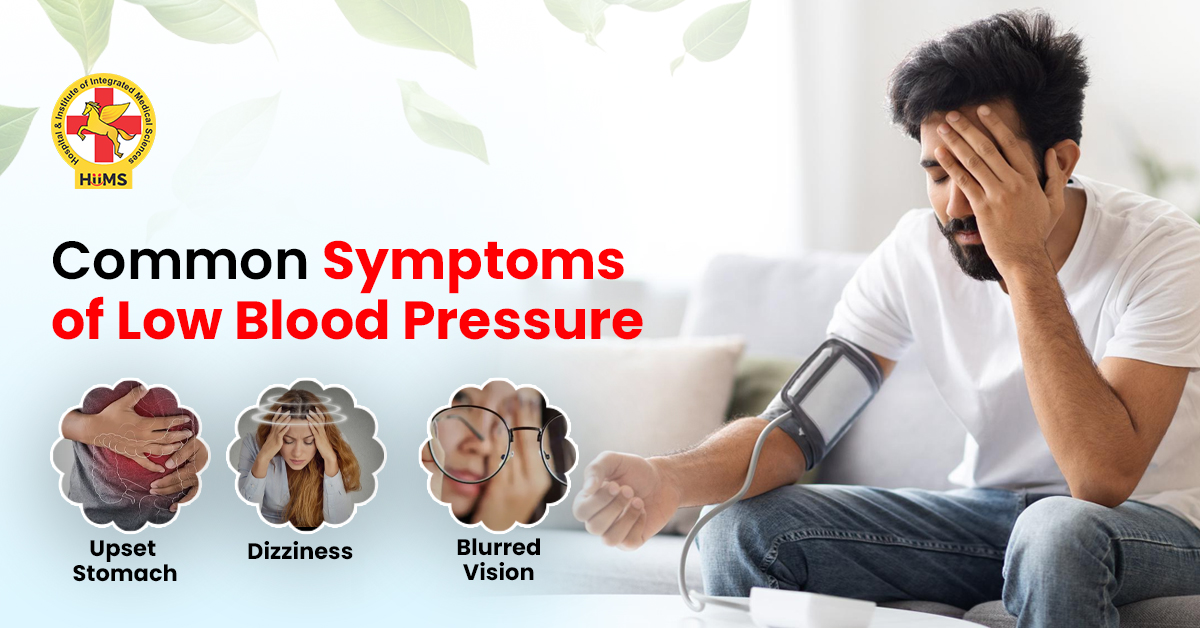
Dizziness and Lightheadedness
Many people feel a sudden change or a brief spinning sensation, mostly after standing up quickly.
Fatigue and Unusual Tiredness
The body feels drained, as though energy is slowly disappearing.
Blurred Vision or Visual Disturbances
The eyes may not have constant circulation, resulting in momentary blurriness.
Difficulty Focusing or Mental Fog
You may feel slow, distracted, or unable to concentrate smoothly.
Nausea or Stomach Discomfort
Reduced blood flow to the digestive system can create uneasiness.
Moderate Symptoms You Should Never Ignore
These low bp symptoms indicate that the body is struggling a bit more.
Fainting or Feeling Close to Fainting
The brain temporarily receives less oxygen, leading to blackout-like sensations.
Cold, Clammy, or Pale Skin
Poor circulation generally shows first in the hands and feet.
Rapid or Shallow Breathing
The body tries to balance low circulation by adjusting breathing patterns.
These low blood pressure symptoms often appear when the body is trying hard to compensate.
Severe Signs That Need Immediate Attention
Confusion, sudden weakness, symptoms of shock, and loss of responsiveness are serious signals. These symptoms show that the body needs urgent care and attention.
How Ayurveda Understands Low Blood Pressure
Ayurveda explains low BP mainly as a Vata imbalance, where the body’s movement and flow become irregular. The digestive fire may weaken, reducing strength and affecting circulation. This imbalance often makes a person feel light, drained, or detached, which matches many visible signs we experience.
Ayurvedic Ways to Support Low Blood Pressure Naturally
Ayurveda offers natural ways that fit well with low blood pressure treatment through gentle methods.
Abhyanga (Warm Herbal Oil Massage)
A warm oil massage helps circulation, calms Vata, and supports overall vitality.
Shirodhara for Stress and Mental Fatigue
A continuous stream of warm oil on the forehead creates a grounding effect and helps mental clarity.
Gentle Ayurvedic Herbs for Strength and Circulation
Ashwagandha, Licorice (Mulethi), Tulsi, Arjuna, and Ginger are often used to support strength and flow. These herbs help the body regain steadiness gradually.
Therapies to Improve Circulation Naturally
Hot Water Immersion Therapy (HWI)
Warm water helps relax muscles and encourage smooth circulation.
Lower Leg Contrast Therapy
Alternating warm and cool water prevents pooling of blood in the legs.
Breathing Practices (Anulom Vilom)
This simple practice balances the nervous system and supports oxygen flow.
Daily Lifestyle Tips for Managing Low BP Naturally
- Drink enough water throughout the day.
- Prefer healthy eating meals.
- Avoid sudden standing.
- Add rock salts if suggested.
- Eat warm, nourishing meals instead of cold food.
Diet Guidelines for Low Blood Pressure
Warm, freshly cooked meals work best. Use digestive spices like cumin, ginger, and coriander. Herbal teas support digestion, while cold, stale, or heavy foods often weaken circulation. Good digestion helps maintain energy and stability.
When to Seek Diagnosis
If the low blood pressure symptoms continue often, checking BP patterns and consulting an expert at Jeena Sikho HiiMS helps you understand your constitution and underlying imbalances.
Conclusion
Listening to your body is the first step toward better balance. When you understand the symptoms of low blood pressure, you can catch the signs early and make simple adjustments before discomfort grows. Ayurveda always reminds us that the body stays stable when energy, food, rest, and emotions move in harmony.
Natural routines, warm meals, gentle therapies, and mindful habits can support your flow and strength every day. If you ever feel unsure about your body’s signals, connecting with trained Ayurvedic experts can guide you safely and naturally.
For personalised support, reach out to Jeena Sikho HiiMS Hospital at +91 82704-82704 or email care@jeenasikho.com.

FAQs
1. What are the first common signs of low BP?
Early signs often include dizziness, tiredness, and other mild low bp symptoms that affect daily activities.
2. How does low blood pressure affect the mind?
It may lead to mental fog and difficulty focusing, which are common low blood pressure symptoms.
3. Can home habits help manage low BP naturally?
Simple routines like warm meals, hydration, and grounding practices can support the body during low bp symptoms.
4. Which methods support stability in low BP?
Abhyanga, gentle herbs, and warm therapies align with natural low blood pressure treatment approaches.
5. When should someone check their BP regularly?
If frequent low blood pressure symptoms appear, monitoring patterns helps understand the condition better.
Ayurvedic Heart Care Products
100% natural, certified Ayurvedic formulations crafted for targeted heart wellness.


Disclaimer: The information provided on this blog is for general educational and informational purposes only. It is not intended to replace professional medical advice, diagnosis, or treatment. Always consult a qualified healthcare professional before making any changes to your diet, lifestyle, or treatment plan. Individual results may vary.