
Psoriasis treatment is often spoken about in clinics and quiet living rooms where people sit scratching their arms or hiding their elbows, feeling slightly unsure of what their own skin is trying to say. Psoriasis is a chronic skin condition where the body’s immune system becomes a little overactive and tells skin cells to grow far quicker than normal.
Instead of shedding slowly, they pile up, forming dry, flaky patches that can itch, crack, and sometimes sting in small, stubborn ways. Around 2–3% of the global population lives with this condition, and while that number feels clinical and distant, the reality is often emotional and close, affecting sleep, self-image, daily comfort, and sometimes even relationships.
Some days the skin behaves, other days it flares without much warning, leaving people confused, tired, and quietly frustrated. Understanding what is happening, in plain language, becomes the first gentle step toward comfort, clarity, and a more thoughtful approach to psoriasis treatment that respects both the skin and the person living inside it.
Simple signs to notice
The skin usually speaks before the mind fully understands what is going on, and these signs often appear gradually, sometimes fading, sometimes returning.
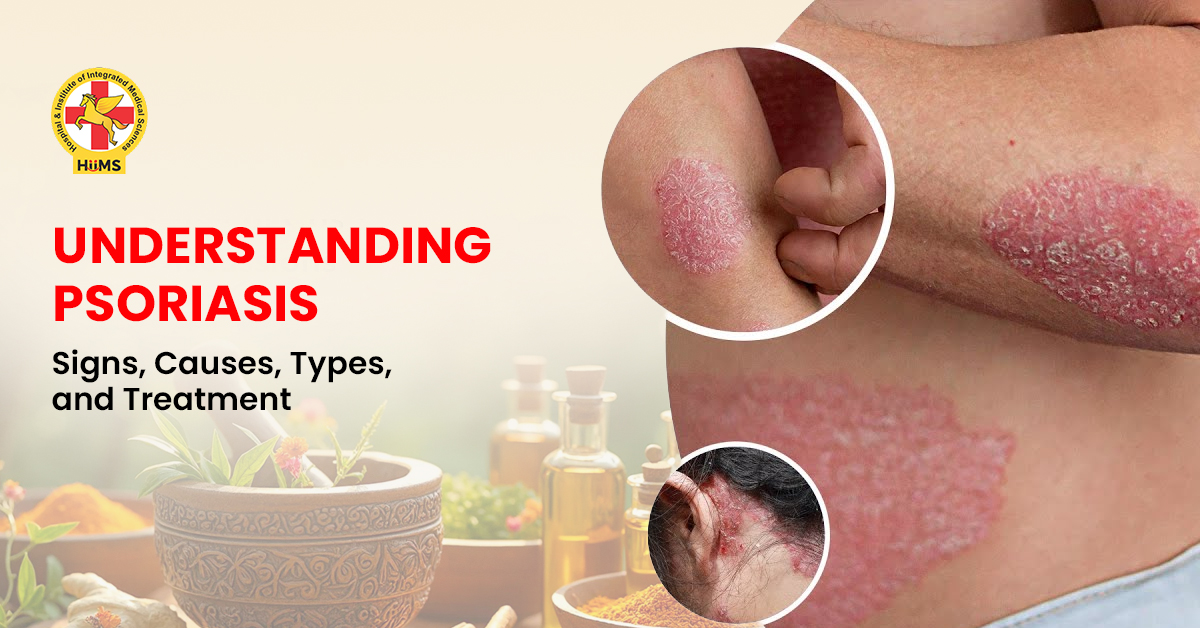
- Dry, scaly patches that appear silvery or white and feel rough to touch
- Itching or burning that feels uncomfortable rather than sharp
- Skin cracking that may bleed slightly in colder weather
- Thickened nails or pitted nail surfaces over time
- Red, inflamed areas that feel warm and irritated
These visible changes are what many recognise as psoriasis symptoms, though they often look different from person to person, which makes the condition feel even more unpredictable.
What silently triggers it
Psoriasis causes rarely point to a single reason; more often it grows from a quiet mix of internal and external pressures that build over time.
- Stress that stretches for weeks or months without real rest
- Skin injuries like cuts, burns, or repeated friction
- Certain infections that disturb the immune balance
- Genetic influence running through family lines
- Hormonal shifts or long-term lifestyle imbalance
Understanding these triggers helps people feel less lost and more prepared in managing flare-ups before they spiral too far.
Different types of psoriasis
Not all types of psoriasis behave in the same way, and its appearance changes depending on the type and the body area involved.
- Plaque psoriasis, with raised red patches and silvery scales
- Guttate psoriasis, small dot-like lesions often seen after infections
- Inverse psoriasis appearing in skin folds with smooth redness
- Pustular psoriasis marked by white blister-like spots
- Erythrodermic psoriasis covering large skin areas with intense redness
Doctors generally group these variations under the umbrella of types of psoriasis, yet each form still needs personalised attention and gentler understanding.
Living with the condition
For many people, psoriasis does not remain only on the skin, and it seeps into daily routines, clothing choices, sleep patterns, and quiet personal moments. Some days people shy away from short sleeves, other times they feel awkward around others, and then there are moments when the skin just aches without any obvious cause.
How Ayurvedic Treatment Works for Psoriasis
A careful, steady approach to psoriasis treatment focuses on soothing inflammation, balancing the immune system, nourishing the skin, and reducing flare-ups over time. It is not just about fading visible patches for a short while, but about helping the body settle into a healthier rhythm, which honestly can take time, subtle lifestyle shifts, and continuous care that feels supportive rather than rushed.
- Deep Detoxification & Skin-Detox Therapy
The process begins by easing the body into cleansing. This step works on loosening the stuff your body has been holding onto, the little built-up tensions and hidden irritations that you don’t always notice. With soft cleansing, warm herbal oils, and a bit of steam, the skin and body get a gentle nudge toward feeling lighter. - Herbal Remedies & Natural Ways to Control Psoriasis
Using herbs isn’t about a quick fix, it’s more like slowly helping the skin find its own calm. Things like Neem, Turmeric, and Manjistha—people have used them for ages—work from the inside while soothing from the outside. They don’t force change; they just help things settle gradually, letting the skin breathe and the body balance itself over time. - Diet & Lifestyle Adjustments
Choosing lighter meals, getting enough rest, and taking things a bit slower can help calm skin irritation naturally. Even small things—like a few deep breaths, a short walk, or just moving around a bit—help the body stay more balanced and steady. - Ongoing Support & Maintenance
Regular check-ins, small seasonal tweaks, and simple daily tips help keep progress steady and stop flare-ups from coming back. At Jeena Sikho HiiMS, care plans move at your pace, keeping your body balanced and comfortable.
Comprehensive Care beyond psoriasis
At Jeena Sikho HiiMS, we look at more than just skin issues, focusing on your overall well-being and long-term comfort. The doctors also look after other serious conditions—cancer, liver problems, heart concerns, infertility, jaundice, and more—making sure care feels connected, thoughtful, and truly supportive, not just a string of appointments.
Conclusion
Psoriasis treatment may take time, and its unpredictability can be frustrating. Understanding the condition eases that worry. With steady habits, emotional awareness, and a compassionate approach, people slowly reclaim comfort, confidence, and a sense of normal living. Healing often works best when given patience, consistent care, and gentle attention, helping both body and mind feel more at ease.
If your skin feels unsettled or you are simply looking for guidance that feels genuine and not overly clinical, Jeena Sikho HiiMS offers care that blends Ayurvedic understanding with practical medical insight. You can book a consultation to begin a calmer, more mindful approach toward healthier and more balanced skin.
FAQs
- What makes psoriasis different from common rashes?
Psoriasis starts from an immune system imbalance, not just skin irritation, and often comes in cycles with rough, dry, flaky patches. - Can stress make symptoms worse?
When stress lingers for a long time, it seeps into the body in ways you might not notice, nudging the skin out of its natural rhythm and making flare-ups more common. - Is long-term care necessary?
Steady care helps maintain comfort and prevents sudden worsening of the condition over time. - Does diet really affect skin health?
Food choices subtly influence inflammation and skin response, making mindful eating an important part of recovery. - How long before you start noticing a difference?
Everyone’s healing moves at its own speed, but with regular care and a bit of patience, you’ll often start to see the skin quiet down and feel more comfortable as time goes by.
Disclaimer: The information provided on this blog is for general educational and informational purposes only. It is not intended to replace professional medical advice, diagnosis, or treatment. Always consult a qualified healthcare professional before making any changes to your diet, lifestyle, or treatment plan. Individual results may vary.