
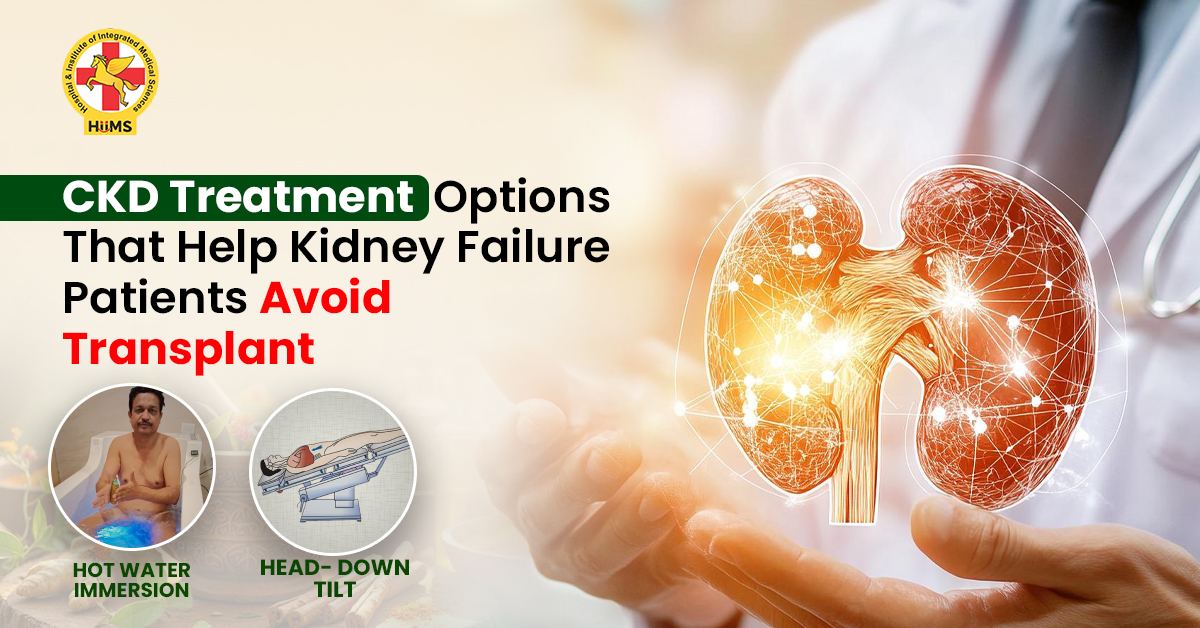

A person often notices small changes when the kidneys begin to slow down. A normal walk feels longer, the legs start swelling, or there is a sense of discomfort in the lower back. These signs make people pay attention because they show that the kidneys are asking for support. For kidney failure patients, the main hope is to stay steady without rushing into a transplant. They look for simple and dependable methods that can help them manage daily life while staying safe.
At this stage, CKD treatment becomes important because it provides different paths that help the kidneys work at their best. Some steps involve food patterns, some focus on daily routines, and some come from natural systems that guide the body toward balance. The purpose is to understand the early changes, know the options clearly, and follow methods that help the kidneys stay active as long as possible.
What Happens When Kidneys Slow Down
Kidneys support many essential functions, from removing waste to keeping minerals balanced. When their speed drops, the body begins to show early hints such as swelling, itching, or unusual urine changes. These kidney failure symptoms are signs that support is needed. Instead of waiting for the condition to grow more complicated, learning simple ways to help the kidneys allows people to maintain comfort and protect long-term kidney health.
GRAD System: Natural Kidney Failure Treatment
Ayurveda offers natural methods that combine warmth, posture, and a raw-first diet pattern. The GRAD system is built on these ideas and helps CKD patients support kidney function without strain. It includes:
- HWI – Hot Water Immersion
- HDT – Head Down Tilt
- DIP Diet – Disciplined & Intelligent Person’s Diet
Each part works gently, helping the body manage waste in a natural way.
1. Hot Water Immersion (HWI)
In this method, the person sits in warm water. The water is close to 42°C. The heat moves through the skin. The body relaxes in it. Blood starts moving better on its own. The skin opens a little, and some waste comes out through the pores.
Key Points:
- Warm water lets the vessels open
- The body settles and begins small repairs
- The skin lets waste move out
- Oxygen and nutrients travel more freely
- Urine flow becomes more regular
- The body stays more balanced inside
2. Head Down Tilt (HDT)
For this, the person lies on a slight tilt with the head a little lower than the legs. This simple shift in posture is enough for gravity to guide blood toward the kidney region.
Key Points:
- More blood reaches the kidneys
- Natural filtration gets steady support
- Urine flow remains regular
- Safe for long-term routine
- Works well with a plant-based food pattern
3. DIP Diet
This diet begins with raw fruits or raw vegetables. These foods help make nitric oxide inside the body. This opens the vessels and keeps the blood moving without force. The rest of the meals stay light and simple. The whole routine uses seasonal fruits, vegetables, nuts, seeds, and millet-based dishes.
Breakfast (7–9 AM)
- Plate-1: Body Weight × 10 g fruits (3–5 types)
- Plate-2: Any home-cooked meal or millet dishes like Poha, Daliya, Upma
Lunch (1–2 PM)
- Plate-1: Body Weight × 5 g vegetable salad (3–5 types)
- Plate-2: Home meal or millet dishes like Khichdi, Chapati, Dhokla, Daliya
Dinner (Before Sunset)
With Dinner:
- Plate-1: Body Weight × 5 g fruits and vegetable salad
- Plate-2: Light homemade vegetable soup
Without Dinner:
- Plate-1: Body Weight × 10 g fruits and vegetable salad
Important: Plate-2 must be eaten right after Plate-1. No break in between
Panchakarma in CKD Treatment
Panchakarma methods are also used in CKD treatment to support cleansing and maintain balance. These steps are chosen according to the patient’s condition.
- Virechana: Clears waste from the liver–kidney path
- Basti: Cleans the colon and helps with Vata balance
- Nasya: Clears the head region
- Vamana: Removes extra mucus
- Raktamokshana: Helps clean the blood
These steps help the kidneys work with less load and support the body’s natural way of removing waste.
Why Many Patients Try to Avoid Kidney Transplant
A transplant is a major decision that requires preparation and long-term follow-up. Families also consider the kidney transplant success rate, which depends on several factors. Due to this, people often explore safer ways to extend natural kidney activity before choosing surgical steps.
Role of a Reliable Hospital
Support from the best kidney specialist hospital helps patients understand their condition clearly. A skilled team guides food routines, lifestyle patterns, and monitoring plans so the kidneys stay steady for as long as possible. Such guidance also helps patients make decisions at the right time without confusion or stress.

Conclusion
Kidney issues become easier to manage when people understand the right pathways. With the help of CKD treatment, natural approaches like GRAD, Panchakarma routines, and regular medical guidance, patients can stay stable without rushing into major procedures. These steps help the kidneys work smoothly and make daily life manageable. With awareness, discipline, and the right support, CKD patients can walk through their journey with clarity and confidence while delaying decisions such as a transplant.
FAQs
- What signs show that something is wrong?
Changes in swelling, energy, or urine pattern can be early hints. - How do doctors check the condition?
They use simple blood tests, urine tests, and scans. - Can daily habits make any difference?
Steady meals, light movement, and proper rest can support overall comfort. - When do doctors talk about machines for support?
They discuss it when the body can’t handle waste well on its own. - Why does food matter in this condition?
Lighter meals help the body manage its work more smoothly.
Disclaimer: The information provided on this blog is for general educational and informational purposes only. It is not intended to replace professional medical advice, diagnosis, or treatment. Always consult a qualified healthcare professional before making any changes to your diet, lifestyle, or treatment plan. Individual results may vary.






1 comment