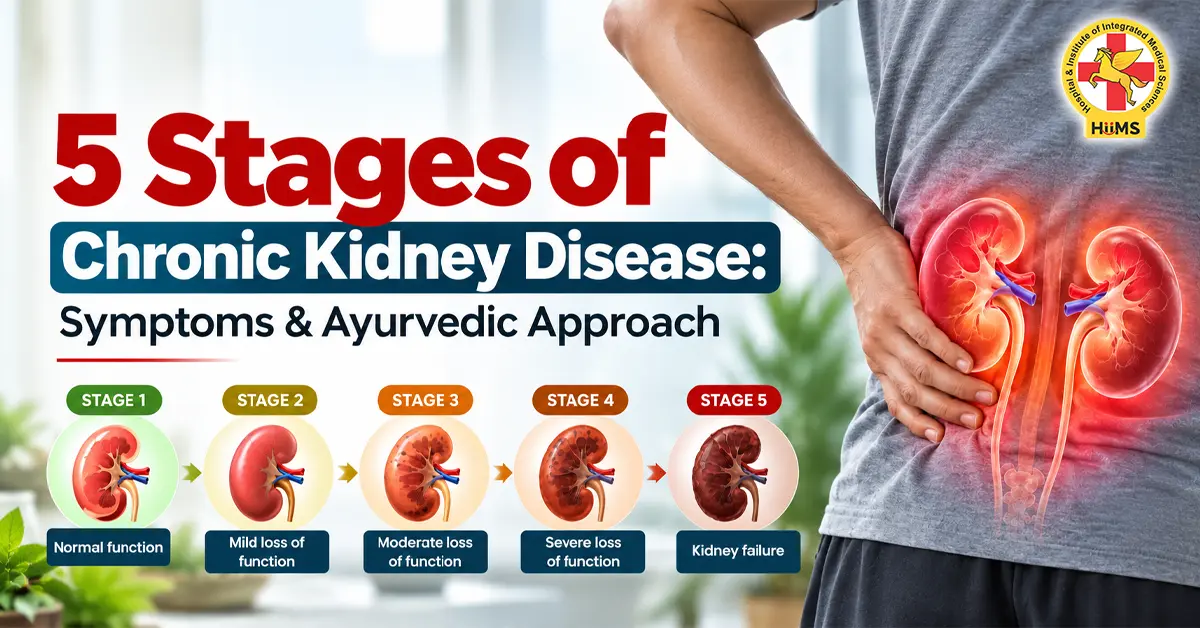

Most people don’t think much about their kidneys until a blood or urine report shows something unusual. That’s partly because kidney problems can develop quietly. A person can have early kidney damage and still feel completely normal.
In fact, the CDC says that more than 1 in 7 American adults has chronic kidney disease, and as many as 9 in 10 people with it may not know they have it. The same source estimates that around 35.5 million US adults have CKD.
That is why understanding the stages matters. Chronic kidney disease is not one single condition with one fixed treatment. The approach can look very different in Stage 1 compared with Stage 4 or Stage 5.
In this post, we’ll break down each stage, the symptoms you may notice, what usually causes kidney damage, what modern kidney disease treatment may involve at each stage, possible treatment-related side effects, and where an integrated Ayurvedic approach may fit alongside appropriate medical monitoring.
What is Chronic Kidney Disease, Exactly?
Your kidneys work continuously to remove waste and extra fluid from your blood. They also help regulate blood pressure, maintain mineral balance, support red blood cell production, and keep bones healthy. When kidney damage continues for at least three months, or kidney function remains significantly reduced for that period, it may be classified as chronic kidney disease.
Doctors generally look at two important tests:
- eGFR: An estimate of how well the kidneys are filtering blood.
- uACR: A urine test that checks for albumin, a type of protein that can leak into the urine when kidneys are damaged.
One important point that often gets missed: an eGFR of 90 or above does not automatically mean everything is normal. For Stage 1, there needs to be evidence of kidney damage. Similarly, Stage 2 requires an eGFR of 60–89 plus evidence of kidney damage persisting for the required period.
So, if you have received an unusual kidney report, don’t try to decide your stage from the creatinine number alone.
If your reports mention eGFR, creatinine, or urine protein, keep the complete report together. Looking at these numbers as a pattern is much more useful than focusing on one result.

What Are the Causes of Kidney Disease?

Knowing the causes of kidney damage explains a lot about why prevention gets talked about so much. The usual suspects:
- Diabetes that isn’t well controlled, since high sugar levels quietly damage the tiny blood vessels in the kidneys
- High blood pressure, which keeps the kidneys under constant strain
- Kidney infections or stones that keep coming back
- Smoking, low water intake, or a diet that’s consistently unhealthy
- Genetic conditions like polycystic kidney disease, in some cases
What Are the 5 Stages of Chronic Kidney Disease?
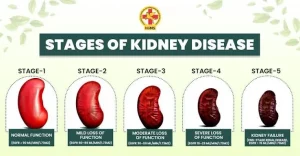
Doctors break CKD into five stages, and eGFR is what determines which one you’re in:
| CKD Stage | eGFR Range | What It Means |
| Stage 1 | 90 or above | Kidneys are still working well, but there may be early signs of kidney damage, such as protein in urine. |
| Stage 2 | 60–89 | Mild loss of kidney function, usually without obvious symptoms. |
| Stage 3 (3a & 3b) | 30–59 | Moderate loss of kidney function; symptoms may start appearing. |
| Stage 4 | 15–29 | Severe loss of kidney function and usually requires closer monitoring. |
| Stage 5 | Below 15 | Kidney failure; dialysis or kidney transplant may need to be discussed. |
Stage 1: Early Kidney Damage With Preserved Function
Stage 1 can be confusing because the kidneys may still filter blood quite well. The eGFR is 90 or higher, but there must also be evidence of kidney damage, such as persistent albumin in the urine or another structural abnormality.
What symptoms can occur?
Most of the time, there are no clear symptoms. Someone may feel perfectly healthy and find out there is a problem only when a urine test shows albumin or another investigation shows kidney damage.
This is one reason early testing matters, particularly if someone has diabetes, high blood pressure or a family history of kidney disease.
What is the treatment at Stage 1?
The main goal is simple: protect the kidney function you still have. Depending on the cause, treatment may include:
- Control of blood pressure
- Diabetes and Blood Sugar Management
- Excess salt reduction
- Keeping a healthy body weight
- Don’t smoke
- Avoiding kidney-damaging medicines needlessly
- Urine albumin and eGFR monitoring
- Using kidney-protective medicines when medically appropriate
ACE inhibitors or ARBs may be prescribed in appropriate patients, particularly when albuminuria is present. These medicines can slow kidney disease progression, although they require monitoring.
What are the possible side effects?
ACE inhibitors and ARBs can cause low blood pressure, dry cough, increased potassium and a rise in creatinine in some people. That’s why doctors monitor blood pressure, potassium and kidney function after starting or changing the dose.
Stage 2: Mild Kidney Function Loss
Stage 2 means an eGFR of 60–89, together with evidence of kidney damage. Many people still don’t have noticeable symptoms at this point.
The important thing about Stage 2 is that there is often an opportunity to identify what’s driving the damage and work on it before more kidney function is lost.
What treatment is usually considered?
The basic approach remains focused on the cause:
- Blood pressure control
- Diabetes management when applicable
- Monitoring urine albumin
- Kidney-friendly eating
- Regular physical activity
- Weight management
- Smoking cessation
- Appropriate medicines when indicated
A kidney dietitian can be particularly useful because there isn’t one universal “kidney diet.” Your protein, sodium, potassium and phosphorus needs can change depending on your lab results and stage.
Are there treatment potential side effects at Stage 2?
If medicines such as ACE inhibitors/ARBs or other blood-pressure medicines are prescribed, possible effects can include dizziness from low blood pressure or changes in potassium and kidney-function blood tests.
Again, monitoring is part of treatment. It isn’t a reason to stop prescribed medication on your own. If you’re already seeing a gradual change in creatinine or eGFR, don’t wait until symptoms appear. Keeping regular kidney reports and discussing the trend with our qualified kidney doctors can make the next steps much clearer.
Stage 3: Moderate Kidney Disease
Stage 3 is where the picture starts becoming more significant.
It is divided into:
- Stage 3a: eGFR 45–59
- Stage 3b: eGFR 30–44
At this stage, kidney function is reduced enough that waste products and fluid balance can start becoming more difficult for the body to manage.
What symptoms may appear?
Not everyone develops symptoms, but some people may notice:
- Persistent tiredness
- Weakness
- Swelling in the feet, ankles or hands
- Changes in urination
- Foamy urine
- High blood pressure
- Muscle cramps
- Changes in appetite
The American Kidney Fund notes that symptoms can start appearing as CKD progresses, although some people still have very few symptoms in Stage 3.
What complications can develop?
As kidney function declines, doctors may start watching more closely for:
- Anemia
- Mineral and bone problems
- High potassium
- Metabolic acidosis
- Fluid retention
- Cardiovascular problems
CKD itself increases cardiovascular risk, which is why treatment at this stage isn’t just about creatinine.
What is the modern treatment?
The CKD treatment options by stage become more individualised here. Depending on the underlying cause and lab results, treatment may include:
- Blood-pressure medicines
- ACE inhibitors or ARBs when indicated
- SGLT2 inhibitors for appropriate patients
- Diabetes management
- Cholesterol management
- Treatment for anemia if present
- Dietary sodium and protein adjustments
- Potassium/phosphorus adjustments if blood levels are high
The 2024 KDIGO guideline includes evidence-based recommendations for slowing CKD progression and managing complications, including appropriate use of RAS inhibitors and SGLT2 inhibitors.
What possible side effects can occur?
SGLT2 inhibitors have some side effects and might not be right for everyone. In some cases, like long-term fasting, surgery or serious illness, ketosis can become a risk and doctors may temporarily withhold them.
ACE inhibitors and ARBs can affect potassium and creatinine, so blood tests are important.
In selected patients, doctors may use iron, vitamin replacement where needed or erythropoiesis-stimulating agents (ESAs) for anaemia. At higher haemoglobin targets ESAs are associated with significant risks, including a higher risk of stroke, blood clots and cardiovascular events and require careful medical supervision.
Stage 4: Severe Kidney Function Loss
Stage 4 means the eGFR has fallen to 15–29. This is considered severe kidney impairment and is an important point in the CKD journey. It doesn’t automatically mean dialysis is starting immediately, but it does mean the person needs closer nephrology follow-up and preparation for what may happen if kidney function continues to decline.
What symptoms are common?
People may experience:
- Significant tiredness
- Swelling in the legs, feet, hands or face
- Reduced appetite
- Nausea
- Itching
- Muscle cramps
- Sleep problems
- Changes in urine output
- Shortness of breath, particularly if fluid builds up
Symptoms become more likely as CKD becomes advanced.
What does treatment involve?
At Stage 4, kidney disease treatment becomes more focused on both slowing further decline and managing complications.
Doctors may monitor:
- eGFR and creatinine
- Potassium
- Bicarbonate
- Hemoglobin
- Calcium and phosphorus
- Blood pressure
- Urine albumin
- Fluid status
- Nutritional status
Diet becomes particularly individualized. Some people may need limits on sodium, potassium or phosphorus, while protein intake has to be balanced carefully to avoid both excessive kidney workload and malnutrition.
This is not the stage to copy a random “kidney diet chart” from the internet.
What about dialysis?
Stage 4 is often when nephrologists begin discussing kidney replacement options so that the patient isn’t forced into rushed decisions if kidney failure occurs.
That may include:
- Hemodialysis
- Peritoneal dialysis
- Kidney transplantation
- Conservative/supportive management in selected situations
Stage 4 is a good time to ask questions rather than panic. If you are comparing a kidney hospital and an integrated approach, ask how frequently kidney function will be monitored and how complications will be handled. Contact us now!
Stage 5: Kidney Failure
Stage 5 means an eGFR below 15, or that the person is already on dialysis. This is kidney failure and requires specialist care.
At this stage, the kidneys can no longer perform enough filtration to keep the body’s fluid, electrolyte, and waste balance stable on their own.
What symptoms can occur?
Symptoms can include:
- Severe fatigue
- Nausea or vomiting
- Poor appetite
- Itching
- Swelling
- Muscle cramps
- Trouble sleeping
- Changes in urine output
- Breathlessness
- Difficulty concentrating
Not every person experiences all of these symptoms.
What is the treatment at Stage 5?
This is where the CKD treatment options by stage become very different from the early stages. If kidney failure is established, standard kidney replacement options include:
1. Hemodialysis =Blood is passed through a dialyser that removes waste and excess fluid. It can improve symptoms and help people live longer, but it does not replace every function of healthy kidneys.
2. Peritoneal dialysis= The lining of the abdomen is used as a membrane to help remove waste and extra fluid.
3. Kidney transplant= For suitable patients, transplantation can provide functioning kidney replacement and is another established option.
Have questions about dialysis or transplant? Get personalized guidance from our doctors based on your kidney function and overall health.

What are the possible side effects or complications of dialysis?
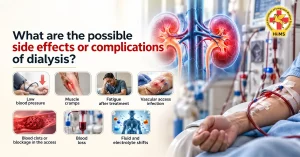
It’s important to be accurate here. Dialysis is a life-sustaining treatment, but it can have complications.
With hemodialysis, possible problems include:
- Low blood pressure
- Muscle cramps
- Fatigue after treatment
- Vascular access infection
- Blood clots or blockage in the access
- Blood loss
- Fluid and electrolyte shifts
NIDDK specifically notes that vascular-access problems are a common reason for hospitalisation among people receiving hemodialysis.
Can CKD Treatment Happen Without Dialysis?
The phrase kidney disease treatment without dialysis needs a little explanation because it is frequently misunderstood online.
In earlier stages, treatment can absolutely focus on slowing progression and managing the underlying causes without dialysis. Many people with Stage 1–4 CKD are not on dialysis.
But once kidney failure is established, kidney disease treatment without dialysis cannot simply mean replacing dialysis with an unproven home remedy.
For Stage 5, the appropriate options have to be discussed with an experienced doctor for selected patients. So if someone is searching for kidney disease treatment without dialysis, the first question should be: What stage is the CKD actually in, and what is causing it?
Can Ayurveda Help in Advanced CKD? A Published Case Report
A 2025 case report published in the Journal of Ayurveda and Integrative Medicine described an interesting case involving a patient with CKD G5 who was undergoing hemodialysis twice a week. According to the published report, the patient had symptoms such as facial puffiness, breathlessness, muscle cramps, poor appetite, swelling in both feet, nausea and vomiting. His serum creatinine was reported to be approximately 12 mg/dL and his eGFR was about 5 mL/min/1.73 m². The full published case report describes Ayurvedic treatment and follow-up.
The authors reported significant improvement during the treatment period. Serum creatinine was reported to decrease to 2.1 mg/dL and eGFR increase to 34.8 ml/min/1.73 m. Haemoglobin improved from 9.7 g/dL to 14 g/dL with improvement in the symptoms of the patient. “Eventually dialysis was stopped and kidney transplantation was not required,” the report further adds.
This is certainly an interesting observation for people exploring Ayurvedic care for chronic kidney disease.
If you’re exploring kidney disease treatment without dialysis, discuss all options with our qualified healthcare professionals.

What Symptoms Show Up at Each Stage?

Here’s where a lot of people get blindsided. Stages 1 and 2 don’t really announce themselves; most people feel completely fine, and the only clue is an abnormal lab result. Things start changing around Stage 3, when people begin noticing:
- Swelling in the hands, feet, ankles, or around the eyes
- Fatigue that sticks around no matter how much rest you get
- Urination that’s changed, either in frequency or appearance
- Blood pressure running higher than it used to
Stages 4 and 5 make it a lot harder to ignore: significant swelling, loss of appetite, nausea, and noticeably different urination patterns tend to show up together.
When Should You Actually See a Kidney Doctor?
Got diabetes, high BP, or a family history of kidney trouble? Seeing a kidney doctor for yearly testing is usually recommended even before anything feels wrong. And if you’re already noticing early signs like swelling or unexplained tiredness, don’t sit on it; getting checked sooner really does make things easier to manage later.
How is Kidney Disease Treatment Usually Approached?
Kidney disease treatment looks pretty different depending on which stage someone is at. Early on, it’s mostly about managing whatever’s driving the damage, keeping blood sugar and blood pressure under control, and adjusting diet to take pressure off the kidneys.
Later stages need tighter monitoring, medication changes, and eventually, conversations around dialysis or transplant if function keeps dropping. But there are many side effects of dialysis; that’s why people are moving forward to natural Ayurveda treatments.
What Should You Actually Look for in a Kidney Hospital?
A decent kidney hospital doesn’t just run a panel of tests and send you off with a prescription. You’d want ongoing monitoring, someone actually explaining what your stage means for you specifically, and a plan that shifts as your situation does.
That matters even more if you’re leaning toward integrated care that blends regular monitoring with lifestyle and Ayurvedic support.
How Does Ayurveda Look at Chronic Kidney Disease?
There is some published research. A 2026 Future Health case report described a 48-year-old woman with Stage G5 CKD who received individualized Ayurvedic treatment and dietary/lifestyle guidance. The report described improvement in creatinine, urea, eGFR, and symptoms over the intervention period. However, it was a single case report, and the authors themselves state that well-designed randomised controlled trials are needed to establish efficacy.
That’s where responsible Ayurvedic care for chronic kidney disease should sit: as an individualised, monitored approach rather than a promise of a guaranteed cure.
At Jeena Sikho HiiMS, care built around chronic kidney disease usually brings Ayurveda, diet correction, and lifestyle changes together, working alongside your existing medical monitoring rather than swapping it out. Here we focus on treating the root cause of the problem.

- Our GRAD system combines hot water immersion therapy, head-down tilt therapy, and our pH-balanced diet, aimed at supporting circulation and easing the toxin load your kidneys are dealing with.
- We also use Zero-Volt therapy, a kidney-cleanse blend developed under Acharya Manish Ji using things like corn silk, ajwain, and fennel, plus guidance on circadian rhythm, yoga, and daily routine.
Conclusion
Chronic kidney disease can be managed at any stage, but what actually helps depends a lot on where you currently stand. Catching it early through routine testing, paired with the right mix of lifestyle and medical guidance, genuinely shapes how things go from here.
If you’d like a proper assessment or want to explore an integrated approach alongside whatever you’re already doing, you can book a VOPD consultation with Jeena Sikho HiiMS and go through your specific case with our team.

FAQs
1) Can CKD show up before symptoms even start?
Yes, blood and urine tests can pick up early-stage CKD well before you’d feel anything, which is exactly why regular testing matters for anyone at higher risk.
2) Does Stage 1 always lead to the later stages eventually?
Not necessarily. Plenty of people with early-stage CKD keep things stable for years just through proper monitoring and lifestyle changes.
3) Is dialysis really the only route at Stage 5?
No. There are some Ayurvedic treatments present at Jeena Sikho HiiMS for chronic kidney disease. The results depend on the person’s overall health and what our doctor recommends.
4) Will altering your diet really slow your CKD?
Yes, cutting down on sodium, watching your protein intake and avoiding heavily processed food are commonly recommended and do help ease the load on your kidneys.
5) Can I use Ayurvedic support along with my regular CKD treatment?
Many people do. Just make sure your treating doctor knows what else you’re doing so that everything is properly coordinated.

Disclaimer: The information provided on this blog is for general educational and informational purposes only. It is not intended to replace professional medical advice, diagnosis, or treatment. Always consult a qualified healthcare professional before making any changes to your diet, lifestyle, or treatment plan. Individual results may vary.