
Jaundice is something many people first notice without any test. The eyes start looking yellow, the skin tone changes slowly, and a kind of tiredness stays even after rest. At first, it may feel like a simple weakness, but the body usually gives these signals for a reason. The liver plays a big role here, and when it does not work in a smooth way, bilirubin starts building up in the blood. Understanding this early stage can help in better jaundice recovery over time.
This condition is not a disease on its own but a sign that something inside needs attention. Because of this, many people start worrying about how long it will last and what they should do next. Everyone may experience recovery in a different way. It is influenced by the reason behind it, daily routine, and when care is taken.
At Jeena Sikho HiiMS, attention is often given to the root imbalance so that the body can gradually return to a normal rhythm. Instead of rushing the process, steady care becomes important for maintaining liver health after jaundice.
Understanding Jaundice and Its Symptoms
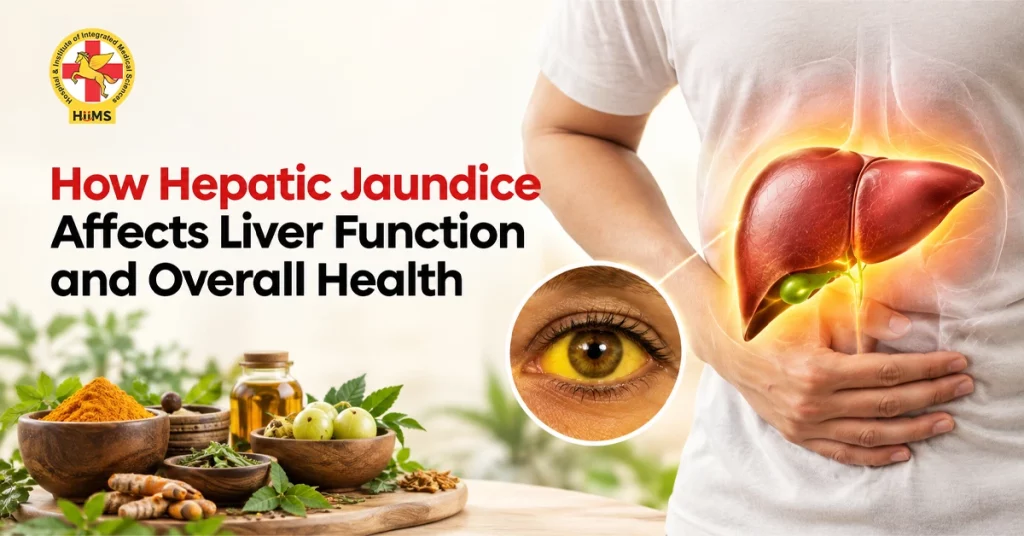
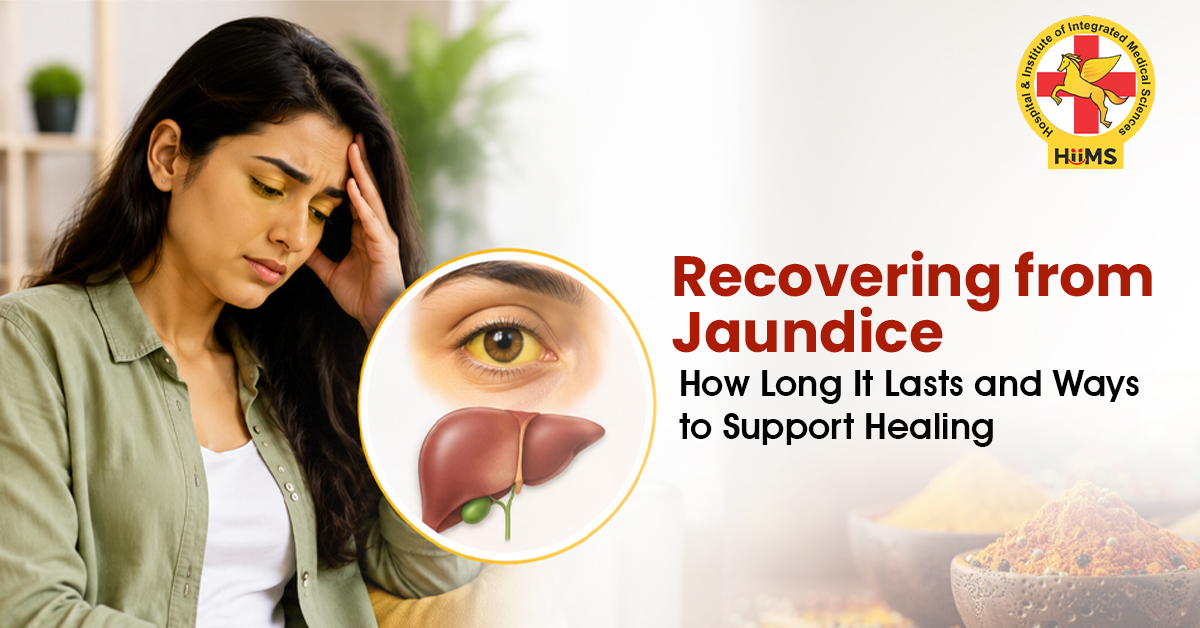
Jaundice happens when the bilirubin level rises in the blood. This yellow pigment comes from the breakdown of old red blood cells. The liver processes it and removes it from the body. When this process slows down, the signs start showing outside.
Common Jaundice symptoms include
- yellowing of eyes and skin
- dark urine and pale stool
- Loss of appetite
- Some people also feel nausea and itching
- Fatigue is very common but often ignored
These signs may look small at first, but they should not be neglected. Paying attention early helps in choosing the right care path.
How Long Does It Take to Recover from Jaundice
One common question people ask is about jaundice recovery time. But the answer is not fixed. A few people recover quickly in weeks, while others take more time, depending on the condition.
If the cause is a mild infection, improvement may begin within 2 to 3 weeks. In cases where the liver is more affected, healing may take several weeks or even months. Rest, food habits, and timely care make a difference here.
‘How long does jaundice last?’ also depends on whether the blockage or infection is cleared properly. Ignoring it can slow down the process.
How Jeena Sikho HiiMS Supports Jaundice Healing
The direction of care usually focuses on supporting the liver and reducing the load on digestion. Rather than just focusing on the yellowing, the approach looks at fixing the internal imbalance.
At Jeena Sikho HiiMS, natural methods are often used in a structured way. The process is slow but steady.
Detox and Panchakarma Support
Panchakarma is often used as a detox method to help reduce excess pitta in the body. It may help the digestive system feel more settled and support gradual jaundice healing.
Liver Healing Through Diet
Food choices matter here. Light meals, fruits, coconut water, and sugarcane juice are commonly taken. Heavy and oily foods are better avoided to keep pressure off the liver.
Herbal Support
Herbal support is also used. Herbs like Bhumyamalaki, Kalmegh, and Katuki are known in traditional care for supporting liver function and bile flow. These are taken under proper guidance.
Naturopathy and Lifestyle Support
Some naturopathy practices, like rest, sunlight exposure, and simple therapies such as earthing, are also considered helpful for overall balance.
This type of jaundice treatment works by giving the body time and the right conditions to repair itself.
Simple Care During Jaundice Recovery
Recovery is not only about the medicines. Daily habits play a big role.
- Drinking enough fluids keeps the body active and helps remove waste.
- Eating on time supports digestion. Both skipping meals and overeating can interfere with the body’s healing process.
- Proper rest is necessary. The body needs energy to repair the liver cells.
- Stress should be reduced as much as possible.
These small jaundice recovery tips may look basic, but they create steady improvement when followed regularly.
Post-Jaundice Care and Routine
Even after symptoms go away, care should continue for some time. Post-jaundice care becomes important because the body may still be in a sensitive state, and the liver’s health needs attention.
Gradually returning to a normal diet is better than sudden changes. Fried food and alcohol should be avoided for some time.
Regular check-ups help in understanding if everything is back to normal. This stage is important in jaundice management, though many people ignore it.
Conclusion
Jaundice is not something to panic about, but it should not be ignored either. The body shows clear signs when something is not right. Paying attention early makes the recovery easier and smoother.
Healing takes time. Some days feel better; some may not. But a steady routine, simple diet, and proper rest help the body come back to balance. Rushing the process often does not give lasting results.
At Jeena Sikho HiiMS, the idea is to follow a natural and structured path that allows the liver to regain its strength step by step. This approach focuses more on stability than on quick results.
If you notice symptoms or need proper guidance, you can consider consulting the experts through VOPD and understand the right direction for your condition.

FAQs
Q1. What is jaundice?
It is when the skin and eyes slowly start turning yellow because the bilirubin level rises.
Q2. What are the early signs of jaundice?
Yellowing of the eyes, feeling tired often, and darker urine are usually seen early.
Q3. How long does recovery take?
It can take a few weeks, sometimes longer, depending on how the body responds.
Q4. Can jaundice go away on its own?
In the mild cases, it may settle, but ignoring it is not a good idea.
Q5. What should I eat during jaundice?
Simple, light food like fruits and home-cooked meals is usually better.
Disclaimer: The information provided on this blog is for general educational and informational purposes only. It is not intended to replace professional medical advice, diagnosis, or treatment. Always consult a qualified healthcare professional before making any changes to your diet, lifestyle, or treatment plan. Individual results may vary.