
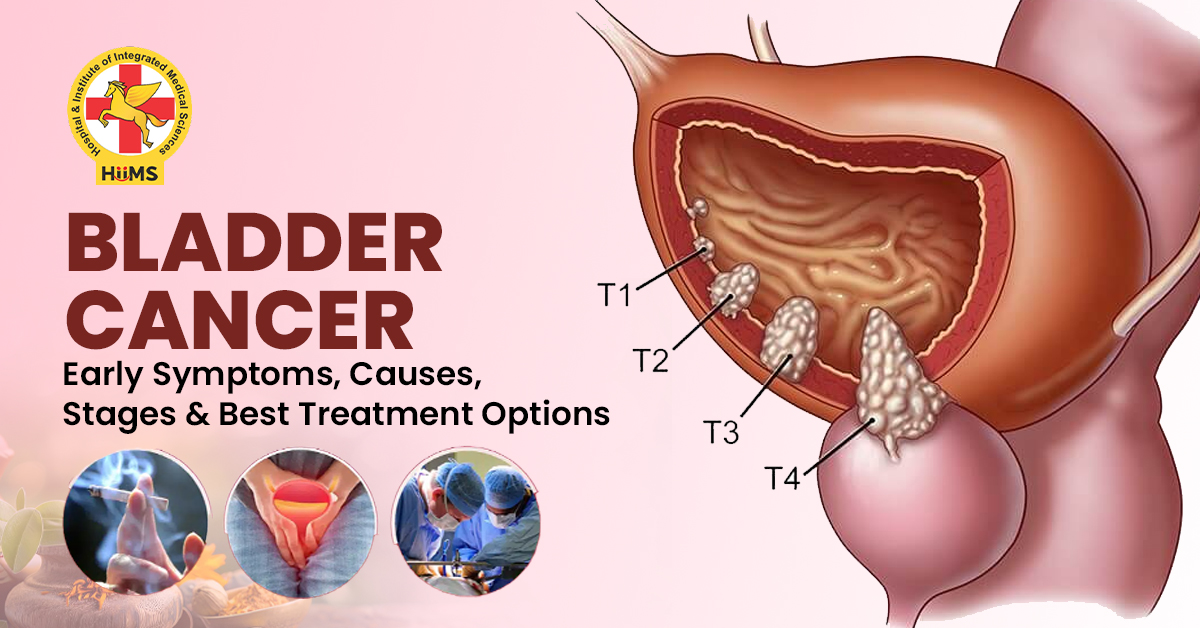

There can be some slight hints from your body that indicate a problem. It could be a small change in how often you urinate, some pain, or even seeing blood and then ignoring it. We all think it will go away on its own. But in some cases, these small signs can mean that you have bladder cancer.
What makes the diagnosis of bladder cancer complicated is that it lacks distinct symptoms during its early stages. It builds slowly, and many people realise it only when it starts affecting their daily routine. The positive side is that when bladder cancer is understood early, it becomes much easier to manage.
In this blog, we will walk through everything in a simple way so you can clearly understand what’s happening inside your body and what steps you can take.
What is Bladder Cancer and How Does It Affect the Body?
Let’s keep this simple. Bladder cancer starts in the inner lining of the bladder. The bladder is a small organ that holds urine and expands or contracts according to need.
At times, cells lining the bladder may behave abnormally. In other words, rather than growing in their usual pattern, they multiply uncontrollably. Gradually, they can form a tumour.
If the disease is not dealt with promptly, it might move beyond the lining to nearby organs. That is why understanding what is happening early becomes important.
Bladder Cancer Symptoms and Early Warning Signs
One of the biggest challenges with bladder cancer symptoms is that they do not always feel serious at first. Here are some signs you should not ignore:
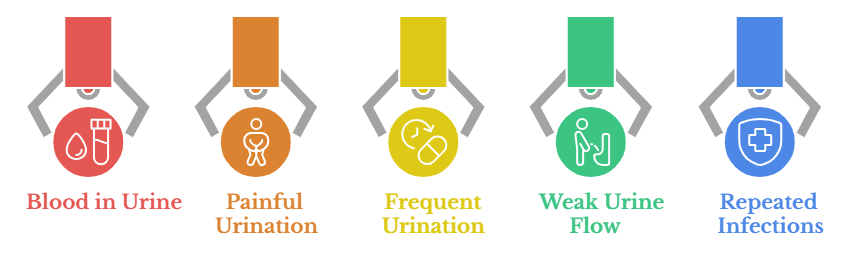
- Blood in urine, even if it appears just once
- Pain or burning while passing urine
- Feeling the need to urinate again and again
- Weak or interrupted urine flow
- Repeated infections that do not settle easily
Now, it is important to understand that these signs can also have other blood in urine causes. But the mistake most people make is ignoring them completely. When it comes to bladder cancer symptoms, noticing early changes and acting on them can make a big difference.
Bladder Cancer Causes and Risk Factors
There is no single reason behind bladder cancer causes. However, specific lifestyles and underlying health problems make one more vulnerable.
- Smokers are prone to the condition due to the presence of carcinogenic compounds that enter the bloodstream and gradually affect the bladder lining.
- Occupations involving exposure to dangerous chemicals, including dyes, rubber, or paint, are associated with high rates of the illness.
Other contributing factors include recurring infections or inflammation. These elements gradually affect the functioning of the internal system, causing the onset of bladder cancer.
Bladder Cancer Stages and Progression
Bladder cancer stages simply explain how far the condition has progressed.
- Early stages are confined to the internal lining
- Further progression sees the cancer extending into the layers of the bladder
- Finally, it could reach neighboring areas or spread across different organs.
Recognising bladder cancer stages is crucial for treatment purposes. The earlier it is found, the easier it is to handle.
Modern Bladder Cancer Treatment Options
When it comes to cancer treatment, the approach depends on how early or advanced the condition is.
In many cases, surgery is used to remove the tumor. In some instances, treatment may involve surgical removal of the affected part of the bladder. However, other forms of treatment include chemotherapy, radiation therapy, and immunotherapy. These treatments are all about stopping or killing cancer cells.
As highlighted by Acharya Manish Ji and Dr. BRC at HiiMS, understanding cancer treatments, whether for bladder or gallbladder cancer, and the side effects of chemotherapy, is crucial for making informed health decisions.
At the same time, these treatments can be physically demanding. This is why many people look for supportive care along with medical treatment. Integrative approaches like Ayurveda may help support overall well-being, improve quality of life, and manage certain side effects when used under proper medical guidance.
Ayurvedic Support for Bladder Cancer at Jeena Sikho HiiMS
The Ayurvedic approach at Jeena Sikho HiiMS involves working not only on the illness but also on the body’s reaction to it.
- The Golden Therapy is aimed at strengthening the cells. It uses a treatment through herbs that balances the internal system.
- Cancer Detox Juice is included in daily support. It helps cleanse the system, improve digestion, and boost energy levels.
- Fasting, when guided, supports autophagy. This is the body’s natural process of clearing damaged cells and supporting healthier ones.
- Panchakarma procedures are performed to eliminate toxins from the body. As a result, internal organs can work better.
The idea is simple. Instead of only managing symptoms, the focus is on supporting the body so it can respond better over time.
Bladder Cancer Diet and Daily Care
Food habits may look simple, but they play a big role in how your body responds. A basic bladder cancer diet focuses on keeping things light and natural. Eating enough fresh fruits and vegetables and drinking enough water keeps the body in balance.
Heavy, processed, or excessively salty meals might place extra stress on the body. Keeping your routine simple and the same every day helps you heal and makes your body work better.
Conclusion
Understanding bladder cancer early changes everything. Yet, if you notice tiny warnings and react to them on time, you will enhance the possibility of coping with the problem properly. It is necessary not to overlook any symptoms, as they may worsen the process.
Nevertheless, if you notice small warnings and respond quickly, then you increase the chances of dealing with the problem properly. You shouldn’t neglect any symptoms, as this will simply delay the process.
In case you are still uncertain about what step to take next, you may want to have a VOPD consultation with the doctors of Jeena Sikho HiiMS. We will help you proceed further according to your state.

FAQs
Q1. What is the first sign of bladder cancer?
The most common early sign is blood in the urine, even if it occurs only once.
Q2. What are the most common causes of bladder cancer?
Smoking, being around chemicals, and long-term discomfort are all important concerns.
Q3. Is it possible to treat bladder cancer early?
Yes, it can be controlled better if it is found early.
Q4. What are the different stages of bladder cancer?
Stages go from early growth on the surface to growth in deeper tissues.
Q5. Does nutrition help with bladder cancer?
Yes, a balanced diet helps the body and the recuperation process as a whole.
Disclaimer: The information provided on this blog is for general educational and informational purposes only. It is not intended to replace professional medical advice, diagnosis, or treatment. Always consult a qualified healthcare professional before making any changes to your diet, lifestyle, or treatment plan. Individual results may vary.





1 comment