
Joint pain is becoming very common today. It is not only seen in older people but also in young adults. Many people feel stiffness, swelling, and pain in their knees, shoulders, or back. This can make daily life difficult. Simple activities like walking, sitting, or climbing stairs may feel uncomfortable. Because of this, people start looking for natural and safe ways to manage their pain. One such method is Panchakarma for joint pain, which comes from Ayurveda. It focuses on cleaning the body from the inside and improving overall health.
At Jeena Sikho HiiMS, Panchakarma therapies are used to help people get relief from joint problems in a natural way. This method not only reduces pain but also improves movement and flexibility. It works slowly but gives long-term benefits. In this blog, you will learn how Panchakarma works, its benefits, and why it is helpful for joint pain.
Table of Contents
What is Panchakarma?
Panchakarma is a traditional Ayurvedic process that helps remove toxins from the body. According to Ayurveda, toxins (called “Ama”) are one of the main reasons for joint pain. When these toxins build up, they affect the joints and cause stiffness and discomfort.
Panchakarma therapy for joint pain works by cleaning the body and balancing the doshas (Vata, Pitta, and Kapha). It includes different therapies like massage, steam, and detox procedures. These therapies help improve blood flow and reduce inflammation in the joints.
Main Procedures of Panchakarma Therapy
In Panchakarma therapy, there are five main cleansing procedures. These help remove toxins from the body and support better joint health. Each therapy has its own role and is chosen based on the patient’s condition.
1. Virechana (Purgation Therapy)
Virechana is a process where the body is cleaned through controlled bowel movement. It helps remove toxins from the liver and digestive system. This is useful because poor digestion can increase joint pain.
2. Vamana (Therapeutic Vomiting)
Vamana is a method to remove toxins from the upper part of the body. It is mainly used to balance the Kapha dosha.
3. Basti (Medicated Enema)
Basti is one of the most important treatments in Panchakarma. It helps control Vata dosha, which is the main cause of joint pain. Herbal oils or liquids are given through enema to clean the body from the inside. It is very effective in improving flexibility and reducing stiffness, especially in Panchakarma therapy for arthritis pain.
4. Raktamokshana (Blood Purification)
Raktamokshana is a process of removing impure blood from the body. It helps reduce inflammation and improve blood circulation. This therapy is useful in certain types of joint pain where toxins affect the blood. It also supports natural healing along with joint pain natural remedies.
5. Nasya (Nasal Therapy)
Nasya involves putting herbal oils or medicines into the nose. It helps clear toxins from the head and neck region. While it mainly supports brain and respiratory health, it also helps in reducing stiffness and improving overall balance in the body.
These five procedures work together in Panchakarma for joint pain to clean the body and restore balance. When done under expert guidance, they can provide long-term relief and better joint movement.
How Panchakarma Helps in Joint Pain
Panchakarma for joint pain works naturally and gently. It not only treats the symptoms but also focuses on the root cause of the problem.
Here’s how it helps:
- Removes toxins from the body
- Improves joint flexibility
- Reduces stiffness and swelling
- Helps in better movement
- Strengthens muscles and tissues
This is why many people choose Ayurvedic treatment for joint pain instead of depending only on medicines.
Supportive Therapies of Panchakarma for Joint Pain
1. Abhyanga (Oil Massage)
This is a full-body massage using warm herbal oils. It helps improve blood circulation and relax muscles. It is very helpful in reducing joint stiffness.
2. Greeva Basti (Neck Therapy)
In this therapy, warm medicated oil is retained over the neck area for a specific time. It helps reduce neck pain, stiffness, and tension. It is commonly used for cervical issues and long-sitting problems.
3. Kati Basti (Lower Back Therapy)
Warm herbal oil is placed on the lower back using a dough ring. This helps in relieving lower back pain, stiffness, and muscle tightness. It is useful for people with back pain due to posture or strain.
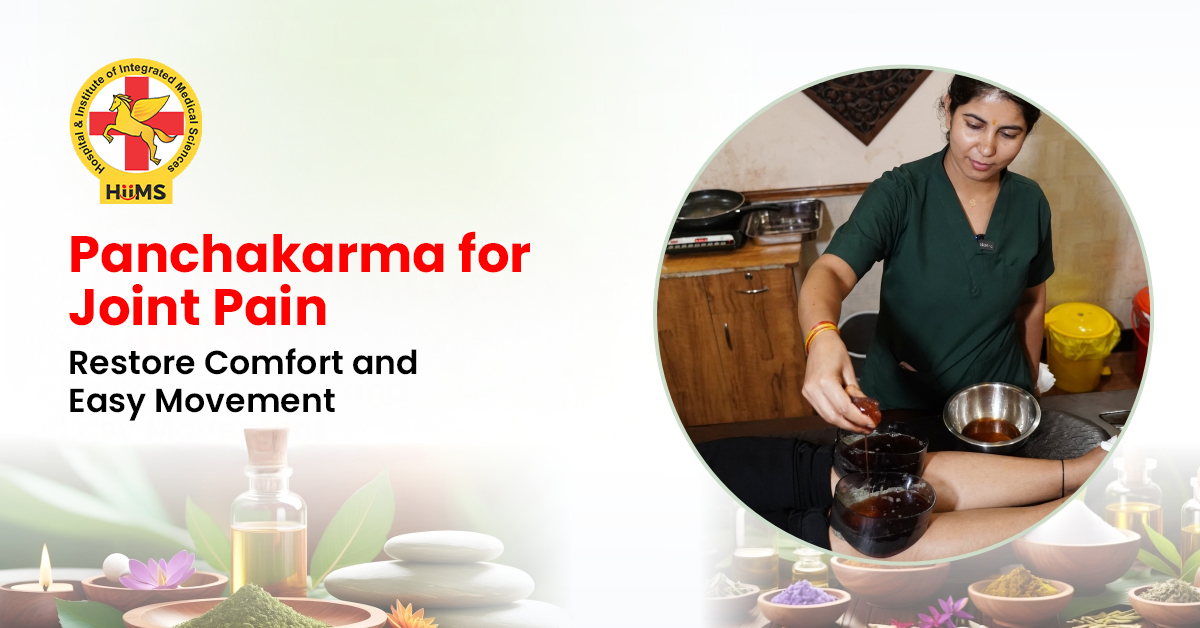
4. Janu Basti (Knee Therapy)
This therapy focuses on the knee joints. Warm oil is held over the knees, which helps reduce pain, swelling, and stiffness. It is often used in joint discomfort and mobility issues, making it a commonly used joint pain ayurvedic therapy.
5. Pristha Basti (Spine Therapy)
In this, medicated oil is applied and retained along the spine. It helps relax back muscles and reduce stiffness. It is useful for overall spine health and back discomfort.
Panchakarma for Arthritis Pain
Arthritis is a common condition where joints become painful and stiff. In such cases, Panchakarma therapy for arthritis pain is very useful. It reduces inflammation and improves joint function.
Instead of only managing pain, Panchakarma helps slow down the condition. Many patients feel better movement and less discomfort after completing the therapy.
Benefits of Panchakarma for Joint Pain
Using Panchakarma for Joint Pain offers many benefits:
- Natural and safe treatment
- No harmful side effects
- Improves overall health
- Supports long-term relief
- Helps in better mobility
Along with therapies, doctors also suggest simple lifestyle changes and Joint pain natural remedies like a healthy diet, regular exercise, and proper rest.
Why Choose Jeena Sikho HiiMS for Panchakarma?
Choosing the right place for treatment is very important. At Jeena Sikho HiiMS, experienced doctors guide patients through proper Panchakarma treatments.
They focus on:
- Personalized treatment plans
- Natural healing methods
- Proper diet and lifestyle guidance
- Safe and hygienic therapies
Their approach combines traditional knowledge with modern care, making it effective for people suffering from joint issues.
Lifestyle Tips to Support Panchakarma
For better results, you should also follow some simple habits:
- Eat light and healthy food
- Avoid oily and junk food
- Stay active with simple exercises
- Drink enough water
- Take proper rest
These small steps, along with Panchakarma therapy for joint pain, can make a big difference in your health.
Who Should Consider Panchakarma for Joint Pain?
Panchakarma is suitable for many people who suffer from joint pain, stiffness, or arthritis. However, it is always important to consult a doctor before starting.
People who can benefit include:
- Those with knee or back pain
- People with arthritis
- Individuals with stiffness or swelling
- Those looking for natural healing
This makes it a trusted Ayurvedic treatment for joint pain for many patients.
Conclusion
Panchakarma for joint pain is a natural and effective way to reduce pain and improve movement. It focuses on cleaning the body, balancing doshas, and treating the root cause of the problem. With regular therapy and a healthy lifestyle, people can feel better and live more comfortably.
At Jeena Sikho HiiMS, patients receive proper care and guidance through safe Ayurvedic methods. If you are looking for long-term relief without side effects, Panchakarma can be a good choice. It helps you move freely and enjoy your daily life again.

FAQs
1. What is Panchakarma in Ayurveda?
It is a natural cleansing process that removes toxins from the body and improves overall health.
2. How does this treatment help reduce joint pain?
It removes harmful toxins, improves blood flow, and reduces stiffness in the joints.
3. Is this treatment safe for everyone?
It is generally safe, but it is always better to take it under expert guidance.
4. Are there any side effects?
When done correctly under supervision, it usually does not have harmful side effects.
5. Does it help improve overall health?
Yes, it supports better digestion, energy, and overall wellness.

Disclaimer: The information provided on this blog is for general educational and informational purposes only. It is not intended to replace professional medical advice, diagnosis, or treatment. Always consult a qualified healthcare professional before making any changes to your diet, lifestyle, or treatment plan. Individual results may vary.