Shuddhi Panchakarma Ayurveda Hospital is now Jeena Sikho HiiMS (Hospital & Institute Of Integrated Medical Sciences). For more details contact at 82704 82704

Vamana, Balance the
Kapha Dosha

Vaman is one of the core therapies among the five therapies of Panchakarma.

Start Your Healing Journey

What is Vamana?

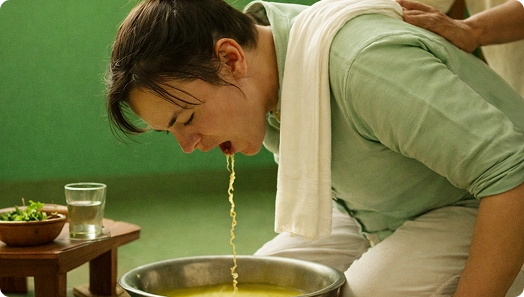
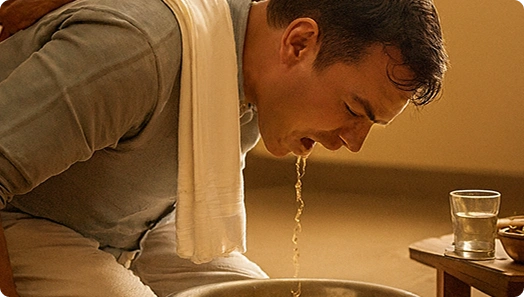
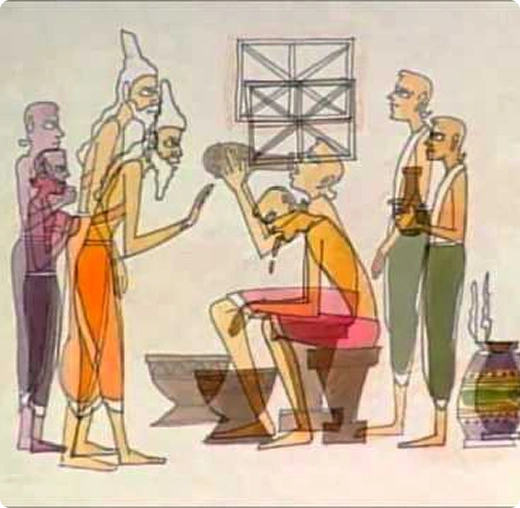
  • Vaman panchakarma therapy is a process of cleansing the upper body internally by puking out accumulated toxins.

  • It is practised in a controlled environment under the strict supervision of Ayurvedic experts.

  • Ancient herbs like Madanaphala, Yashtimadhu, Trikatu, and Chitrakadi Vati are used in a specific proportion according to the state of the body.

  • It helps natural cleansing without disrupting the body’s biological balance. Vamana is followed by three steps

Process of Vamana

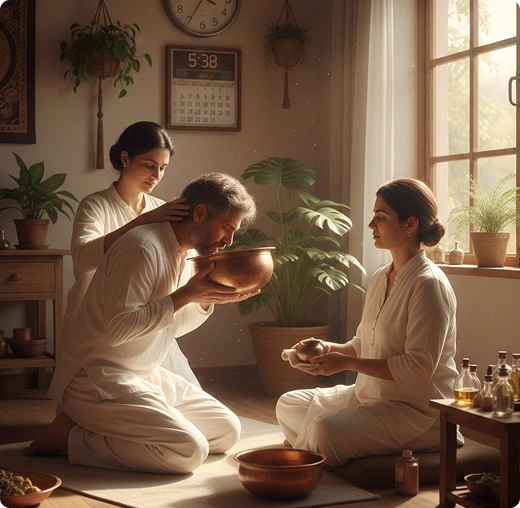
Purvakarma (this means preparing a body for the therapy):

Internal and external oil/ghee treatments and steam therapy over several days to bring Kapha to the stomach.

Deepana–Pachana

This step involves giving herbs that help improve appetite and digestion. These herbs help the body digest food that has not been properly digested earlier. This process usually continues for 3 to 7 days.

Takrapana

In this step, medicated buttermilk is given. It helps open up the body’s internal channels and allows medicines to work better. Because buttermilk has drying and warming qualities with a slightly sour taste, it helps dry excess moisture, clean internal pathways, and improve digestion. This prepares the body so the right amount of medicine can be given later for proper cleansing.

Abhyantara Snehana

This means taking medicated ghee or oil internally, depending on the person’s condition. It helps soften and loosen unwanted substances in the body, making them easier to remove from deep tissues. It also improves digestion and helps the body absorb and use nutrients better. The quantity is slowly increased over 3 to 7 days, based on the person’s digestion, bowel habits, and response, until the body is properly prepared.

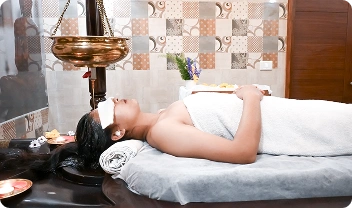
Bahya Sneha and Swedana

In this step, medicated oil is applied to the whole body, followed by steam therapy. This helps loosen and move the unwanted substances, melt their buildup, and open the body channels. As a result, these substances move from deeper tissues toward the digestive tract, making them easier to remove later.

Diet

During this period, light, warm, and easy-to-digest food is given in small amounts. The food should not be heavy, oily, or complicated. On the day before the main cleansing therapy, foods like curd, sesame seeds, urad dal, and milk-based sweets are given to stimulate the body and support better cleansing results.

Pradhanakarma (this means the main therapy process):

Consumption of herbal concoctions to induce controlled vomiting, expelling toxins. Pradhanakarma is carried out in a step-by-step and carefully supervised manner to ensure safety and effectiveness.

Patient counselling and consent

Before starting the procedure, the patient is properly counselled. The entire process is explained in detail so the patient understands what will happen and why it is being done. After this explanation, informed consent is taken.

Preparation in the early morning

The procedure is done early in the morning, usually between 4:00 am and 7:00 am. By this time, the patient should have slept well, fully digested the previous day’s meal, and cleared their bowel and bladder. Before the main procedure, medicated oil is applied to the body, followed by steam therapy. Patients are advised to wear loose and comfortable clothes.

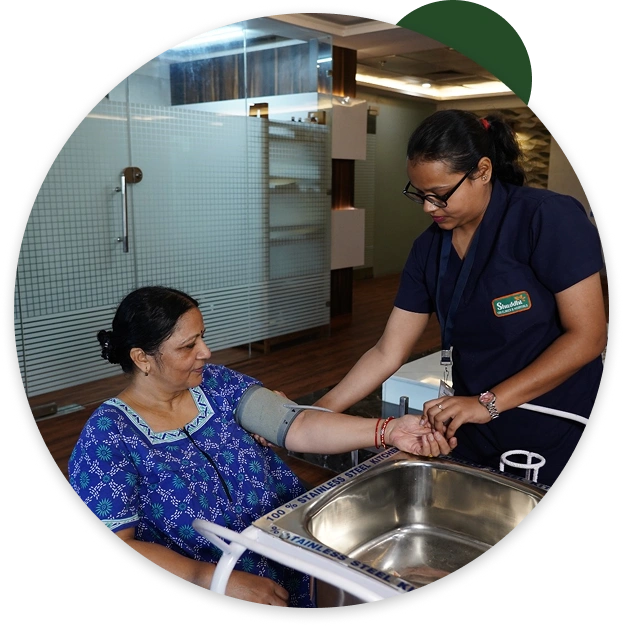
Monitoring vital signs

Basic health parameters such as blood pressure, pulse rate, blood sugar, temperature, and weight are checked just before starting the procedure to ensure the patient is stable.

Administration of liquids and medicines

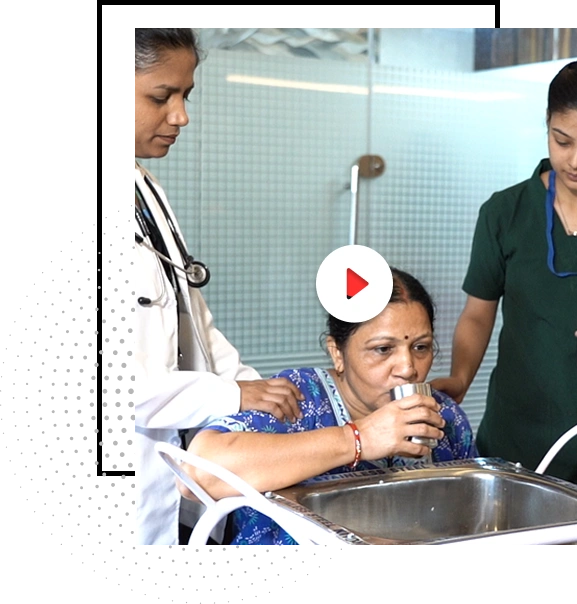
First, milk or sugarcane juice is given to fill the stomach. This helps protect the throat lining during vomiting and makes the process easier. After this, herbal medicines that induce vomiting are given based on the patient’s age, strength, and condition, under close medical supervision.

Administration of liquids and medicines

First, milk or sugarcane juice is given to fill the stomach. This helps protect the throat lining during vomiting and makes the process easier. After this, herbal medicines that induce vomiting are given based on the patient’s age, strength, and condition, under close medical supervision.

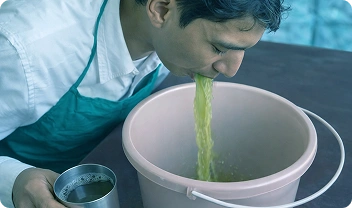
Observation during vomiting

The onset of nausea and vomiting is carefully watched. The patient is guided to allow the vomiting to happen naturally without forcing it.

Observation during vomiting

The onset of nausea and vomiting is carefully watched. The patient is guided to allow the vomiting to happen naturally without forcing it.

Supportive measures if needed

If vomiting does not start on its own, supportive methods may be used. This can include giving warm herbal water prepared with ingredients like long pepper, gooseberry, mustard, or salt, or gently stimulating the throat without causing injury. During the process, liquids made with liquorice or rock salt may be given repeatedly.

Assessment of effectiveness

The vomited material is observed carefully for its amount, consistency, colour, smell, and contents to judge whether the procedure is effective.

Comfort and hydration

Throughout the procedure, the patient’s comfort is maintained, and adequate hydration is ensured.

Signs of proper Vamana

A properly done Vamana shows clear signs:

. Vomiting happens smoothly without strain

. Kapha is expelled first, followed by Pitta and then Vata

. The person feels light in the body and clear in the mind

. Appetite and digestion improve after the procedure

Paschatkarma (it includes post-care after the main therapy):

Special diet, rest, and avoiding triggers to help the body recover.

After the treatment, special attention is given to rest and proper food so the body can recover and regain strength, especially digestive strength.

The patient is given light and easy-to-digest foods such as rice gruel and simple vegetable soups. Fluids and electrolytes are also provided to make up for any loss during the procedure. Gradually, the patient is guided back to a normal diet.

The patient is carefully observed for any unwanted effects like dehydration or imbalance of body salts.

Follow-up visits are scheduled to check recovery and ensure the body is responding well to the treatment.

Process of Vamana

Purvakarma (this means preparing a body for the therapy):

Internal and external oil/ghee treatments and steam therapy over several days to bring Kapha to the stomach.

Deepana–Pachana

This step involves giving herbs that help improve appetite and digestion. These herbs help the body digest food that has not been properly digested earlier. This process usually continues for 3 to 7 days.

Takrapana

In this step, medicated buttermilk is given. It helps open up the body’s internal channels and allows medicines to work better. Because buttermilk has drying and warming qualities with a slightly sour taste, it helps dry excess moisture, clean internal pathways, and improve digestion. This prepares the body so the right amount of medicine can be given later for proper cleansing.

Abhyantara Snehana

This means taking medicated ghee or oil internally, depending on the person’s condition. It helps soften and loosen unwanted substances in the body, making them easier to remove from deep tissues. It also improves digestion and helps the body absorb and use nutrients better. The quantity is slowly increased over 3 to 7 days, based on the person’s digestion, bowel habits, and response, until the body is properly prepared.

Bahya Sneha and Swedana

In this step, medicated oil is applied to the whole body, followed by steam therapy. This helps loosen and move the unwanted substances, melt their buildup, and open the body channels. As a result, these substances move from deeper tissues toward the digestive tract, making them easier to remove later.

Diet

During this period, light, warm, and easy-to-digest food is given in small amounts. The food should not be heavy, oily, or complicated. On the day before the main cleansing therapy, foods like curd, sesame seeds, urad dal, and milk-based sweets are given to stimulate the body and support better cleansing results.

Pradhanakarma (this means the main therapy process):

Consumption of herbal concoctions to induce controlled vomiting, expelling toxins. Pradhanakarma is carried out in a step-by-step and carefully supervised manner to ensure safety and effectiveness.

Patient counselling and consent

Before starting the procedure, the patient is properly counselled. The entire process is explained in detail so the patient understands what will happen and why it is being done. After this explanation, informed consent is taken.

Preparation in the early morning

The procedure is done early in the morning, usually between 4:00 am and 7:00 am. By this time, the patient should have slept well, fully digested the previous day’s meal, and cleared their bowel and bladder. Before the main procedure, medicated oil is applied to the body, followed by steam therapy. Patients are advised to wear loose and comfortable clothes.

Monitoring vital signs

Basic health parameters such as blood pressure, pulse rate, blood sugar, temperature, and weight are checked just before starting the procedure to ensure the patient is stable.

Administration of liquids and medicines

First, milk or sugarcane juice is given to fill the stomach. This helps protect the throat lining during vomiting and makes the process easier. After this, herbal medicines that induce vomiting are given based on the patient’s age, strength, and condition, under close medical supervision.

Administration of liquids and medicines

First, milk or sugarcane juice is given to fill the stomach. This helps protect the throat lining during vomiting and makes the process easier. After this, herbal medicines that induce vomiting are given based on the patient’s age, strength, and condition, under close medical supervision.

Observation during vomiting

The onset of nausea and vomiting is carefully watched. The patient is guided to allow the vomiting to happen naturally without forcing it.

Observation during vomiting

The onset of nausea and vomiting is carefully watched. The patient is guided to allow the vomiting to happen naturally without forcing it.

Supportive measures if needed

If vomiting does not start on its own, supportive methods may be used. This can include giving warm herbal water prepared with ingredients like long pepper, gooseberry, mustard, or salt, or gently stimulating the throat without causing injury. During the process, liquids made with liquorice or rock salt may be given repeatedly.

Assessment of effectiveness

The vomited material is observed carefully for its amount, consistency, colour, smell, and contents to judge whether the procedure is effective.

Comfort and hydration

Throughout the procedure, the patient’s comfort is maintained, and adequate hydration is ensured.

Signs of proper Vamana

A properly done Vamana shows clear signs:

. Vomiting happens smoothly without strain

. Kapha is expelled first, followed by Pitta and then Vata

. The person feels light in the body and clear in the mind

. Appetite and digestion improve after the procedure
Paschatkarma (it includes post-care after the main therapy):

Special diet, rest, and avoiding triggers to help the body recover.

After the treatment, special attention is given to rest and proper food so the body can recover and regain strength, especially digestive strength.

The patient is given light and easy-to-digest foods such as rice gruel and simple vegetable soups. Fluids and electrolytes are also provided to make up for any loss during the procedure. Gradually, the patient is guided back to a normal diet.

The patient is carefully observed for any unwanted effects like dehydration or imbalance of body salts.

Follow-up visits are scheduled to check recovery and ensure the body is responding well to the treatment.

Types of Vamana

There are two types of vaman panchakarma therapies

Sadyovamana (Instant Therapeutic Emesis):

This is an emergency intervention used in acute conditions where quick expulsion of toxins or disturbed doshas is required. It is performed without the classical preparatory steps of oleation and fomentation. Depending on the condition, the emetic response is induced promptly using suitable agents such as medicated decoctions or salted water. Sadyovamana is primarily used in cases of poisoning or acute toxin accumulation.

Vamana (Classical Therapeutic Emesis):

This is the traditional, well-planned form of Vamana therapy performed after appropriate preparatory procedures, including internal oleation and fomentation. Shodhanaga Vamana is indicated for the management of chronic Kapha-dominant disorders, where a deeper cleansing is required for Dosha elimination and long-term balance.

Key Benefits of Vamana

Vamana help cleanse the upperbody which is the major cause of many critical and non-critical diseases. Properly done Vamana has multiple health benefits that may include

  • Respiratory Relief

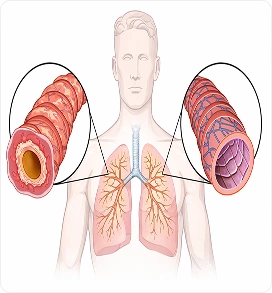
    Effective for asthma, bronchitis, chronic cough, and sinus issues.

  • Skin Health

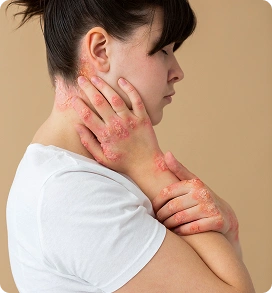
    Helps manage skin conditions like acne and psoriasis by removing toxins.

  • Mental Clarity

    Promotes clearer thinking and emotional balance.

  • Strengthens Immunity

    Boosts the immune system and overall energy.

  • Digestive Improvement

    Enhances metabolism, improves appetite, and reduces bloating.

Mental & Emotional Benefits

  • Stress Relief

    Vamana Ayurveda treatment is known to calm the nervous system and reduce anxiety

  • Mental Clarity

    Vamana enhances mental clarity by removing Tamasic qualities, promoting lightness, enthusiasm, and emotional balance

  • Better Sleep

    Vamana promotes deep and restful sleep

The History Of Vaman

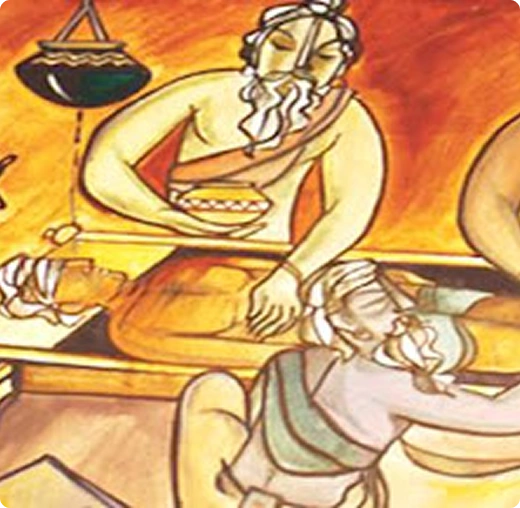
  • Vamana, also known as vaman panchakarma is an ancient therapy of Ayurveda that helps expel toxins from the upper body.

  • This practice has been part of Indian Ayurvedic history for more than 5000 years.

  • Whenever the body is loaded with waste, toxins, or phlegm, it automatically expels them through vomit.

  • The same process, when carried out for a deep detoxification, is termed Vamana.

  • Vaman has been described by Acharya Charaka, known as the father of Ayurvedic medicine,

  • He provided detailed descriptions of Vamana in the Charaka Samhita.

  • It describes various aspects, including the specific herbs and the appropriate procedures for their use, primarily for Kapha Dosha.

  • Traditionally performed in spring (Vasant Rutu) when Kapha is high, making it ideal for purification before summer.

Conditions Reversed

Vamana help cleanse the upperbody which is the major cause of many critical and non-critical diseases.
Properly done Vamana has multiple health benefits that may include

Bronchial Asthma &
Sinusitis

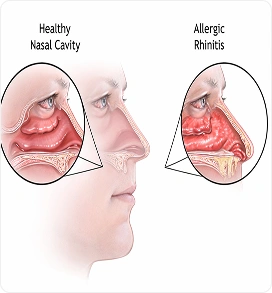
Allergic Rhinitis &
Chronic Allergies

Skin diseases (Psoriasis,
Acne)

Metabolic disorders &
Sluggish digestion

FAQ’s

Vamana is an ancient Ayurvedic detox therapy that focuses on cleansing the upper part of the body. It works by safely expelling accumulated toxins, excess phlegm, and waste through a controlled vomiting process.

According to Ayurveda, when toxins and excess Kapha build up in the body, they disturb balance and lead to disease. Vamana helps remove these toxins from their root, allowing the body to regain balance and function more smoothly.

Vamana is carried out in a controlled and supervised setting by trained Ayurvedic practitioners. Specific herbs such as Madanaphala, Yashtimadhu, Trikatu, and Chitrakadi Vati are given in carefully decided amounts based on the individual’s body condition and dosha.

Vamana is safe when done under expert supervision and after proper assessment. It is not performed casually or at home.

Vamana therapy mainly works on balancing Kapha Dosha. It is especially recommended when Kapha-related toxins and mucus accumulate in the upper body, affecting overall health and energy levels.

A specific diet and routine are advised to help the digestive system regain strength and stability. This post-therapy care is important because it allows the body to settle, absorb the benefits of detoxification, and restore its natural balance gradually.
Desktop Icon Mobile Icon