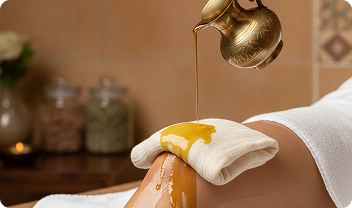
Before Janu Pichu, an Ayurvedic physician selects a suitable medicated oil based on your dosha imbalance. The oil is gently heated until lukewarm, while the knee area may be cleaned before therapy. Sometimes mild Swedana (herbal steam) is applied to relax the joint and open the channels, helping the tissues absorb the oil more effectively.
Pradhanakarma
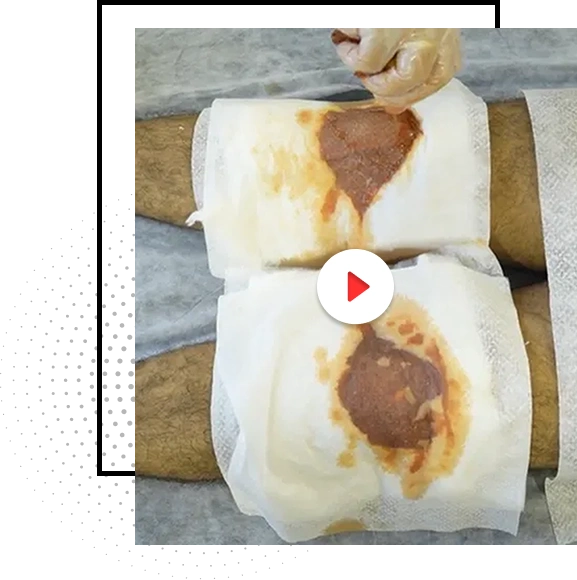
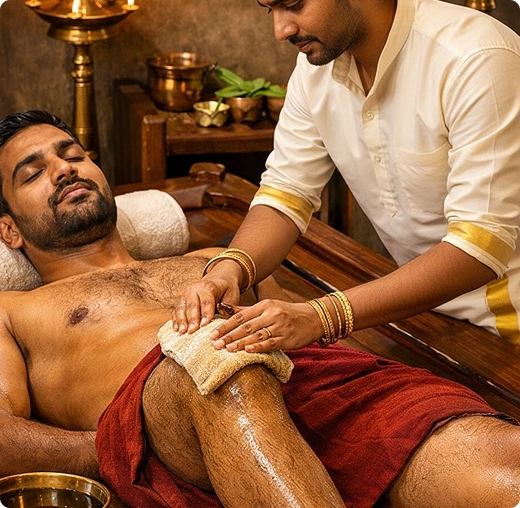
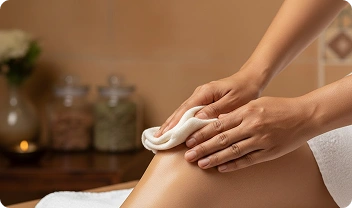
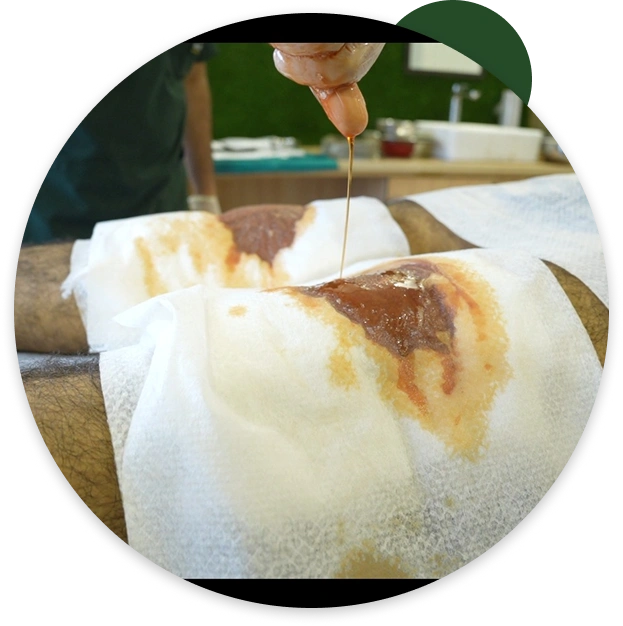
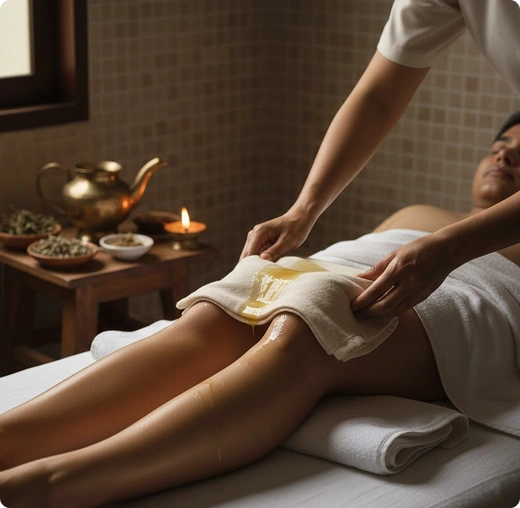
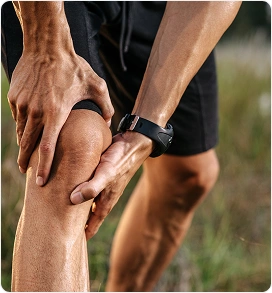
A cotton pad, called a pichu, is soaked in warm medicated oil and placed directly over the knee joint. The oil temperature is maintained throughout the session to ensure continuous warmth. The pichu is kept in place for a specific duration, allowing the oil to deeply nourish muscles, ligaments, cartilage, and joint spaces.
Paschatkarma
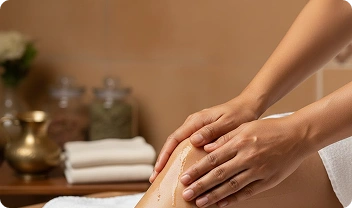
After removing the pichu, the knee is gently wiped and covered to retain warmth. The patient is advised to rest and avoid strain, cold exposure, or sudden movements. Light diet and joint-friendly routines help maintain the therapy’s effects.
Process of Janu Pichu
Purvakarma
Before Janu Pichu, an Ayurvedic physician selects a suitable medicated oil based on your dosha imbalance. The oil is gently heated until lukewarm, while the knee area may be cleaned before therapy. Sometimes mild Swedana (herbal steam) is applied to relax the joint and open the channels, helping the tissues absorb the oil more effectively.
Pradhanakarma
A cotton pad, called a pichu, is soaked in warm medicated oil and placed directly over the knee joint. The oil temperature is maintained throughout the session to ensure continuous warmth. The pichu is kept in place for a specific duration, allowing the oil to deeply nourish muscles, ligaments, cartilage, and joint spaces.
Paschatkarma
After removing the pichu, the knee is gently wiped and covered to retain warmth. The patient is advised to rest and avoid strain, cold exposure, or sudden movements. Light diet and joint-friendly routines help maintain the therapy’s effects.
Key Benefits of Janu Pichu
Janu Pichu is a localized Ayurvedic therapy that nourishes and strengthens the knee joints. It also helps with:
Pain Relief
Warm medicated oil helps ease knee pain caused by arthritis, injury, or overuse.
Reduces Stiffness
Improves joint flexibility and reduces morning stiffness.
Joint Nourishment
Provides deep nourishment to cartilage, ligaments, and surrounding tissues.
Improves Mobility
Helps restore smooth knee movement and comfort while walking or bending.
Calms Vata Dosha
Especially beneficial in Vata-related joint disorders and degeneration.
Supports Recovery
Helpful during rehabilitation after injury or long-term joint stress.
Mental & Emotional Benefits
Minimizes discomfort-related stress
Gentle warmth relaxes the body and mind
Improves comfort
Creates a sense of ease and stability in movement
Relieves tension
Helps relax muscles around the knee joint
Promotes relaxation
Encourages a calm and restful state
The History of Janu Pichu
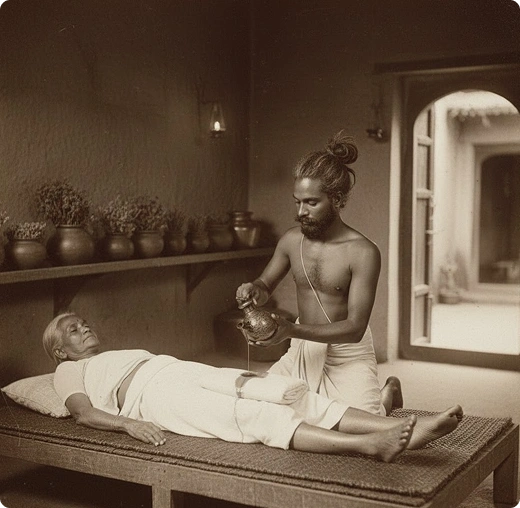
Janu Pichu is described in classical Ayurvedic practice as a form of Sthanik Sneha Swedana, where medicated oil and gentle warmth are applied locally to the knee joint.
Ayurvedic texts emphasize oil-based external therapies for joint care, especially in Vata-related conditions affecting movement and lubrication.
The term “Pichu” refers to a cotton pad soaked in oil, used to keep the area warm and help the oil penetrate slowly.
Traditionally, it was used for knee problems caused by aging, injury, dryness, or joint degeneration.
This therapy helps lubricate the knee, improve blood flow, and strengthen surrounding tissues, reducing pain and stiffness.
Classical Ayurveda recommends localized oil therapies like Janu Pichu to nourish bones (asthi) and sandhi (joints) dhatu, maintaining their strength and flexibility.
Janu Pichu supports preventive joint care, using regular oil therapy to maintain knee health and reduce Vata-related wear.
Janu Pichu is now part of modern Ayurvedic practice, keeping its traditional principles intact.
Conditions Reversed
Janu Pichu works by delivering warmth and medicated oil directly to the knee joint. It helps in:
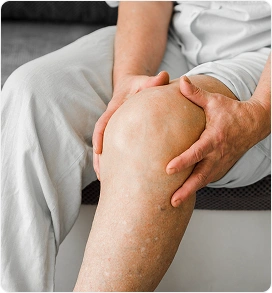
Osteoarthritis of the Knee
Joint Stiffness and Weakness
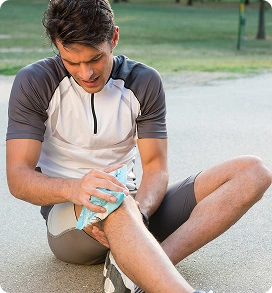
Post-injury Knee Discomfort
Vata-related Knee Disorders
FAQ’s
Janu Pichu is an Ayurvedic therapy where warm medicated oil is applied to the knee using a cotton pad to relieve pain and stiffness.
It helps nourish the knee joint, reduce pain, improve flexibility, and calm Vata imbalance.
Usually 30 to 45 minutes, depending on the condition.
It is generally warm, soothing, and relaxing.
People with open wounds, infections, or acute swelling in the knee should avoid it unless advised by an Ayurvedic doctor.
Rest the knee, avoid cold exposure, and follow the diet or activity guidance given by the physician.
You have selected multiple
diseases. Please fill out the form below to to proceed further.
Thanks for providing your details.
Our health representative will connect with you shortly.
×
Talk to Our Care Expert
At Jeena Sikho HiiMS Outpatient Department (OPD), patients visit for medical consultations without being admitted.
Our mission is to empower you to become self-reliant and your own doctor so that you can lead a drug—and disease-free life. We don’t just offer consultations, we educate, guide, and support you in adopting healthy lifestyle practices, therapeutic protocols, and even diet charts and recipes to take control of your health independently.
What Sets Us Apart?
Personalised Care, Every Step of the Way-
Registration – Patients check in and provide personal and medical information.
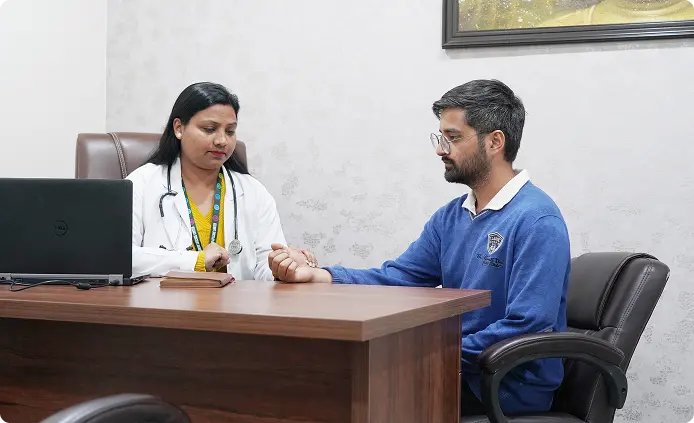
Consultation – A doctor examines the patient, reviews symptoms, and may ask questions about medical history.
Diagnosis & Tests – If needed, the doctor recommends diagnostic tests (like blood tests or X-rays).
Treatment/Prescription – Based on the findings, the doctor provides treatment advice or prescribes medication.
Follow-up – Patients may be advised to return for a follow-up visit.
What Makes Our Services Better?
Therapeutic Learning: We teach you essential therapies like Panchakarma, Hot Water Immersion, Contrast Therapy, Head-Down Tilt Therapy, and other health protocols to cure fever, tuberculosis, blood pressure, and more, enabling you to manage your health independently.
Personalized Health Plans: Tailored treatment protocols that blend DIP diets with AYUSH therapies, including Ayurveda, Yoga, and Naturopathy.
Jeena Sikho HiiMS OPD aims to provide quick, adequate medical care without overnight stays.
VOPD (Virtual Out-Patient Department)
Our mission is to empower you to become your doctor. We don't just offer consultations — we educate, guide, and support you in adopting healthy lifestyle practices, therapeutic protocols, and even meal preparation techniques to take control of your health independently.
What Makes Our Services Better?
Expert Guidance Anywhere: Virtually access consultations with Jeena Sikho HiiMS doctors and healthcare specialists, eliminating the need for physical visits.
Therapeutic Learning: We teach you essential therapies like Panchakarma, Hot Water Immersion, Contrast Therapy, Head-Down Tilt Therapy, more health protocols to cure fever, tuberculosis, blood pressure and many more, enabling you to manage your health confidently at home.
Personalized Health Plans: Tailored treatment protocols that blend DIP diets with AYUSH therapies, including Ayurveda, Yoga, and Naturopathy.
Patient Benefits:
Convenient Access: Receive expert healthcare advice from wherever you are.
Holistic Treatment Plans: Comprehensive protocols to address chronic and lifestyle-related conditions.
Chronic Disease Support: Guidance for managing long-term conditions with a focus on lifestyle and dietary changes.
Follow-Up Consultations: Ongoing support to track your progress and adjust your health plan as needed.
Empowered Healing for Life:
At Jeena Sikho HiiMS, we believe that true healing begins with education and self-reliance. Through our VOPD services, we provide expert medical advice and guide you in mastering therapeutic practices and healthy meal preparation. Our goal is to make you the expert on your health journey.
Why Jeena Sikho HiiMS VOPD?
With our integrated, patient-first approach, Jeena Sikho HiiMS VOPD ensures you receive the care, guidance, and education needed to transform your health — all from the comfort of your home.
Jeena Sikho HiiMS IPD (In-Patient Department)
We provide all therapies under one roof, covering the entire AYUSH spectrum (Ayurveda, Yoga, Unani, Siddha, and Homeopathy) and modern healthcare practices.
What Makes Our Services Best?
Comprehensive Healing: Access to Panchakarma, Hot Water Immersion, Contrast Therapy, Head-Down Tilt Therapy, and more for a complete wellness experience.
Therapeutic Learning: We teach you essential therapies and health protocols like how to cure fever, tuberculosis, blood pressure and many more, so you can confidently continue your healing journey home.
Meal Preparation Guidance: Learn how to prepare wholesome, nutritious meals that align with your health and therapeutic needs and are made personalized DIP diet to you.
Patient Benefits:
Continuous Care: Round-the-clock monitoring and personalized support from expert doctors and compassionate Jeena Sikho HiiMS staff.
Comprehensive Diagnosis: Proper lab tests for accurate assessments and effective treatment planning.
Emergency Support: Prompt care for urgent medical needs.
Chronic Disease Management: Customized care and education for long-term health improvement.
Dedicated Nursing Support: 24/7 attentive and compassionate nursing care.
Empowered Healing for Life:
At Jeena Sikho HiiMS, lasting wellness starts with knowledge. We guide you in learning therapeutic techniques and preparing healthy meals and essential health protocols, empowering you to manage your health independently.
State-of-the-Art Facilities:
- Spacious, clean, and tranquil rooms are designed for healing and relaxation.
- A peaceful environment is conducive to recovery.
- Expert-led educational sessions and therapy demonstrations to support your learning journey.
Jeena Sikho HiiMS At Home
Our mission led us to develop this service because we wanted to provide medical care of high quality for any individual, regardless of their location.
The Purpose Behind Our Mission
The Jeena Sikho HiiMS organization exists to help people gain complete control of their health conditions through individualized natural therapeutic approaches. Patient journeys to hospital facilities become complicated because of physical mobility problems, ongoing medical conditions, and daily scheduling requirements. Through Jeena Sikho HiiMS at Home, we bring the expertise and treatment recommendations physicians offer to hospital patients right to their doorsteps.
How It Works
Video Consultation (VOPD): The doctors perform VOPD to evaluate your health before deciding whether Jeena Sikho HiiMS at Home suits your needs.
Personalized Treatment Plan: A tailored medical approach is developed after approval, considering your health state, life requirements, and individual needs.
Continuous Monitoring & Support: Our staff maintains continuous outreach to provide care guidance, including life recommendations that adjust your healthcare treatment as needed.
Empowering Patients: The Advantages of Our Services
Convenience: Receive expert medical care without travelling.
Personalized Attention: Tailored treatments based on your specific health concerns.
Continuous Guidance: Ongoing support and monitoring from our expert team.
Holistic & Natural Approach: Treatments based on Ayurveda, DIP diet, and lifestyle modifications.
Cost-Effective: Saves time and expenses associated with hospital visits.
Take control of your health today with Jeena Sikho HiiMS at Home! Experience expert healthcare, holistic treatments, and continuous support—all from the comfort of your home.
Connect with us today and start your journey towards better health!
Jeena Sikho HiiMS Webinars
At Jeena Sikho HiiMS (Hospital and Institute of Integrated Medical Sciences), we believe that knowledge is the key to healing. Our interactive webinars provide a unique platform where participants can directly engage with Acharya Ji and a team of expert doctors to address their health concerns, learn therapeutic protocols, and gain inspiration from real success stories.
What Makes Our Webinars Unique?
Direct Interaction: Get personalized advice from Acharya Ji and experienced doctors dedicated to solving your health issues.
Motivational Success Stories: Hear about patients who have successfully recovered and transformed their health, inspiring you to stay motivated.
Comprehensive Solutions: Receive holistic recommendations based on traditional therapies.
Therapeutic Learning: Gain insights into effective therapies and health protocols you can implement independently.
Patient Benefits:
Expert Health Advice: Personalized solutions to your health queries from a knowledgeable and compassionate team.
Holistic Insights: Learn how to integrate therapeutic practices into your daily routine for better health outcomes.
Empowered Healing: Understand how to become your doctor by adopting effective health strategies and protocols.
Inspiration to Succeed: Draw motivation from the recovery journeys of other patients.
Convenient Access: Join from anywhere and benefit from expert advice at your fingertips.
Empower Yourself Through Knowledge:
Jeena Sikho HiiMS webinars are designed to inspire, educate, and empower you to take control of your health. With expert guidance from Acharya Ji and real-life recovery stories, you’ll be motivated to transform your health journey and achieve long-lasting wellness.
After attending this webinar, you'll gain essential knowledge on how to take precautions and prevent major diseases, leading to a positive and lasting impact on your life.
Join Our Webinars for Just ₹49!
Access invaluable health insights and learning that will support your healthy lifestyle journey.
How to Join:
Download Our App: Get the Shuddhi App on the Play Store for Android.
Call Us: Contact us at 77 1037 1037 for detailed webinar information.