
The liver is the body’s most important organ, which produces bile, which helps remove toxins, waste products, and excess cholesterol. However, because of today’s sedentary lifestyle and poor dietary habits, liver damage has become much more common.
But the good part is that if liver damage is detected early, it can be managed with the right treatment and lifestyle changes. Today, there are many ways to manage liver problems, but most people look for natural and simple methods that support long-term liver health rather than just short-term relief or any quick fixes.
This blog aims to help you clearly understand the early signs of liver damage, what causes them, and why paying attention at the right time can truly protect your health. It’s a simple guide to help you stay aware and take better care of your liver before the problem becomes serious.
What is Liver Damage?
Liver damage is a condition in which liver cells can become inflamed or damaged due to various factors. It can happen slowly over time or suddenly, depending on the cause. When the liver is damaged, it cannot work properly, which eventually leads to visible symptoms of liver damage that affect overall health and daily life.
What are the Warning Signs of Liver Damage?
Noticing the early signs of liver damage can make a big difference in timely treatment and avoid serious problems. Common symptoms that may signal your liver needs attention are given below:
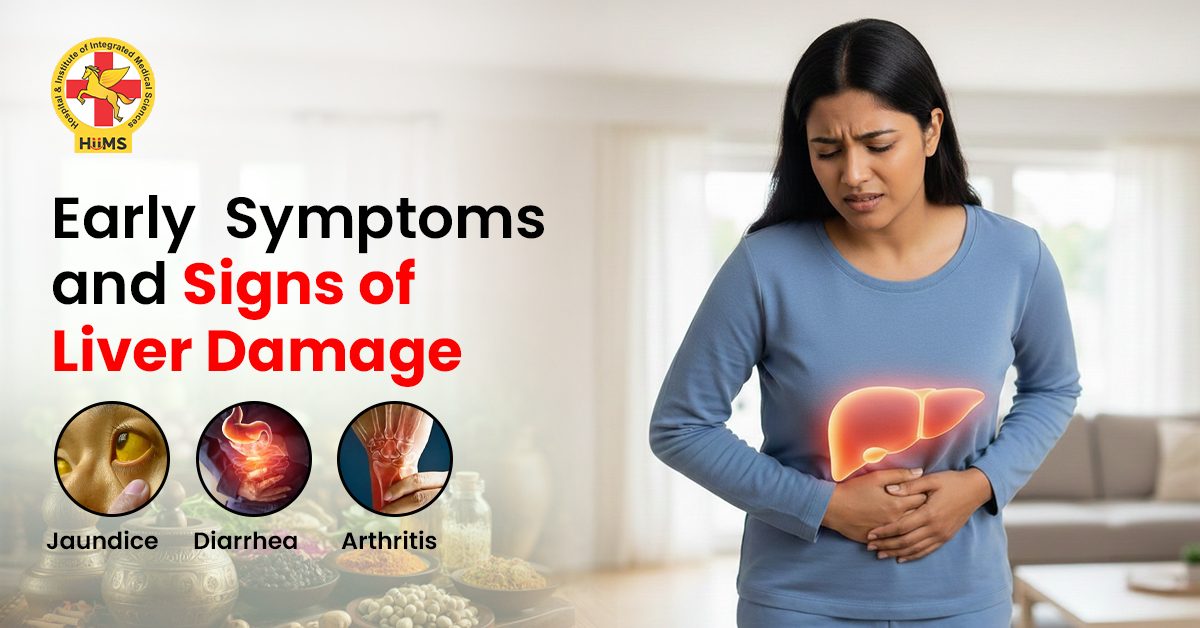
Jaundice
It refers to the yellowing of the skin or eyes that happens when the liver cannot filter the blood properly, causing bilirubin levels to rise. Dark or pale urine, fever and chills, abdominal pain are some of the common symptoms of jaundice.
Ascites (Fluid retention)
Fluid build-up in the abdomen, called ascites, happens when scarring develops in liver tissue due to conditions like long-term alcohol use, hepatitis, or other liver diseases. When the gets weak and the pressure in the portal vein increases, fluid starts to leak into the abdomen, leading to ascites. Increased belly size, weight gain, shortness of breath and swelling in the ankles are some of the common symptoms associated with ascites.
Loss of Appetite
As liver damage gets worse, many people start losing their appetite. This can lead to weight loss and an overall feeling of tiredness or weakness.
Abdominal Pain
Liver damage can cause swelling, which often leads to discomfort in the upper right side of the abdomen. If fluid builds up in the belly (ascites), this discomfort can spread and feel more general across the whole abdomen.
Bleeding
The liver makes important proteins that help in blood clotting. But when the liver gets damaged, it leads to less production of protein, which makes you more prone to bleeding.
Understanding the early symptoms of liver damage can help you take action before the condition becomes serious. If you notice any of these symptoms, it’s important to consult a doctor.
What are the Causes and Risk Factors of Liver Damage?
Liver damage can happen due to many reasons, like our daily habits, infections or existing health issues. Below are some of the most common causes and factors that may lead to liver damage symptoms.
Consumption of Alcohol
Excessive alcohol consumption is one of the reasons behind liver problems. It can lead to fatty liver, alcoholic hepatitis, and even cirrhosis, each of which shows early signs of liver damage that should not be ignored.
Infections Caused by Hepatitis Viruses
Viral infections like Hepatitis can irritate and inflame the liver, and if not treated on time, they may lead to noticeable liver damage symptoms.
Drug misuse and toxin exposure
Overusing certain medicines without proper guidance and long-term exposure to environmental toxins can slowly harm the liver.
Chronic stress
Chronic stress doesn’t harm the liver directly, but it often leads to habits like overeating, drinking alcohol, or ignoring your health, which can slowly affect liver function.
Obesity
Consumption of unhealthy fats and sugary foods can slowly damage the liver, which may lead to fatty liver disease and increase inflammation.
Genetics
Some people are born with certain conditions, like excess storage of iron or copper. If these conditions are left untreated, they can slowly harm the liver.
Staying aware of common liver damage symptoms and making healthy lifestyle choices can help maintain the overall well-being of the liver.
When Should You Visit the Doctor?
Any unusual changes in the body, especially symptoms of liver damage like constant tiredness, yellowing of the eyes, or pain in the upper abdomen, can be the warning signs. Early medical help can prevent small issues from turning into something serious. Even mild discomfort or sudden loss of appetite shouldn’t be ignored.
Conclusion
Paying attention to the early signs of liver problems can truly prevent you from further damage. The liver removes toxins from the body, helps in digestion and maintains the balance. But warning signs like persistent fatigue, jaundice, or loss of appetite means there is something wrong with your body. Ignoring these early signals can result in a serious condition. Simple lifestyle changes, timely medical help, and choosing natural treatments can keep your liver functioning well.
If you ever feel unsure about your symptoms or want proper guidance, Jeena Sikho HiiMS Hospital offers holistic and natural approaches that focus on long-term liver wellness. Listening to your body, seeking early help, and choosing the right care can go a long way in keeping your liver healthy and strong. Contact us today to book a consultation at +91-87920-87920 or email us at care@jeenasikho.com.

FAQ
Q1. What are the signs of liver damage?
Loss of appetite, pain in the abdomen, jaundice and bleeding.
Q2. What causes liver damage?
Excessive consumption of alcohol, chronic stress, and obesity.
Q3. Can lifestyle changes help with liver problems?
A change in lifestyle helps in supporting the overall well-being of your liver.
Q4. Is it possible to reverse liver damage?
It can often be reversed by changing lifestyle and dietary habits.
Q5. What foods should you avoid for a healthy liver?
Food high in saturated fats, refined sugar and processed food.