
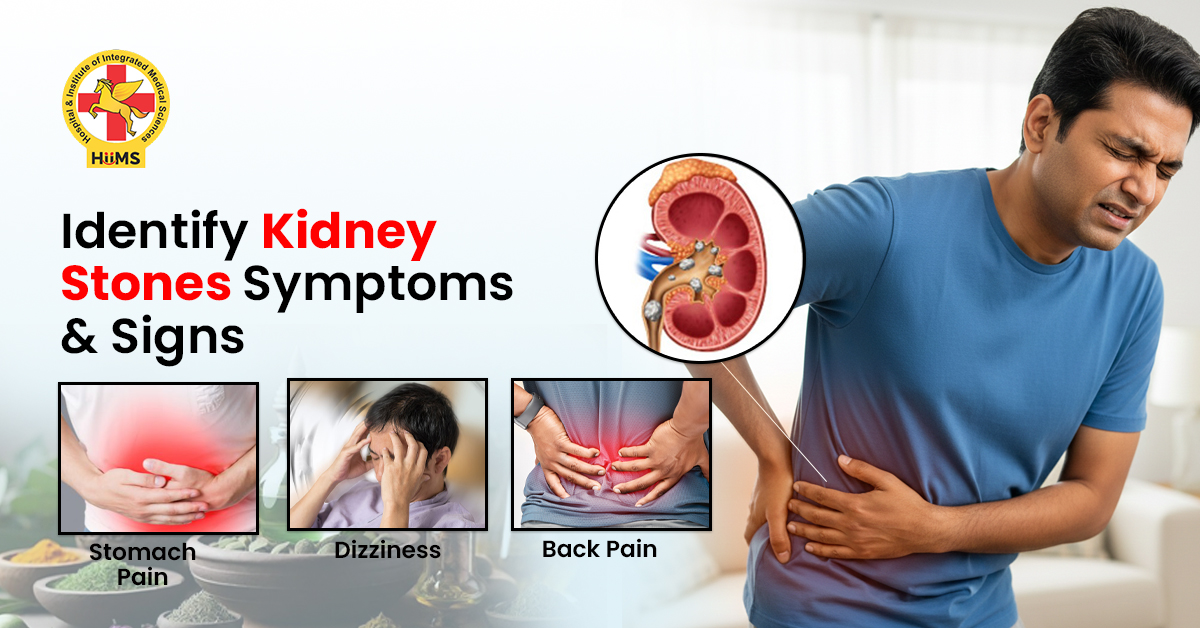
Kidney stone pain comes suddenly with no warning. One moment, your day is fine and predictable, and the next, there’s a sudden pull in your back or a burning sting when you try to pass urine. Most people ignore these little warnings. They hope the discomfort will disappear on its own. But it usually grows bigger, until even simple things feel heavy.
This guide keeps things simple and easy to understand. It walks you through early and advanced kidney stone symptoms, how they show up differently in men and women, and why catching them early can save you from some seriously extreme pain later on.
It is simple: your body gives small signs before the problem becomes big, and if you notice these signs early, it will help you stay safe and avoid big problems later.
What Are Kidney Stones?
Imagine some tiny crystals, but hard and stubborn ones, forming from minerals and salts inside the kidneys. Sometimes these little grains pass out quietly, like nothing happened. But sometimes they grow bigger, get stuck, and travel through narrow urinary pipes, and that’s when the real problem starts. The kind that stops you mid-step.
Both men and women deal with kidney stones. But kidney stone symptoms in women often confuse things because they overlap with period cramps or pelvic discomfort. So the diagnosis gets delayed. That’s why awareness matters more.
Causes of Kidney Stones
Kidney stones don’t appear overnight; they build up as everyday choices put pressure on the kidneys. With time, this stress leads to stone formation and early symptoms of kidney stones. Common reasons include:
- Drinking too little water
- Eating too much salt, sugar, or packaged foods
- Sitting most of the day
- Family history
- Too much tea, coffee, soda
- High uric acid
- Mineral imbalance
- Long-term toxin buildup
Over time, these things make the kidneys work like overtime workers who never get a break. And eventually, conditions become perfect for stones to form.
Early Clues Your Body Gives to Identify Kidney Stones
Men and women experience kidney stones differently. Women may feel cramps similar to their menstrual cycle, while men get sharp pain in the back or groin. This overlap makes early kidney stone symptoms in women harder to recognize because they mimic routine period or pelvic discomfort.
1. Sudden, sharp lower back pain
The pain usually starts on one side of your lower back and feels very deep, not like a normal muscle pull. Many people say it’s one of the worst pains they have ever felt, and it comes suddenly without any mercy.
2. Pain moving to the abdomen or groin
As the stone shifts even slightly, the pain travels toward the stomach, the groin, or the inner thigh. It comes like waves, sharp, settling, then sharp again. A very typical pattern.
3. Burning sensation while urinating
If urine suddenly feels like fire, the stone is irritating the urinary tract. It’s the body’s small but stubborn hint and one of the early signs of kidney stones.
4. Frequent urge to urinate
You feel the urge again and again, even if only a few drops come out. A tiny stone near the bladder can cause this constant, annoying pressure.
5. Cloudy or foul-smelling urine
Cloudy, foamy, or odd-smelling urine is never random. Irritation or a mild infection often shows up this way, and it usually means something inside your body is not working smoothly and needs attention before it becomes serious.
6. Blood in urine
Pink, red, or tea-colored urine is a clear warning. Even a small hint means the stone is irritating your urinary tract, and this sign should never be ignored because it shows your body is already hurting from the inside.
7. Nausea or vomiting
When urine flow gets blocked, waste starts building in the blood, and the stomach reacts instantly; food smells strange, nausea comes again and again, and the whole feeling becomes uncomfortable and tiring.
8. Difficulty finding a comfortable position
People with stones keep changing positions. Sitting, standing, bending-nothing helps for long. The pain shifts with the stone, one of the frustrating symptoms of kidney stones that makes settling down tough.
9. Pain that worsens with dehydration
Long travel, less water, or heavy sweating can make your urine thick and irritate the kidneys, and the pain can rise almost immediately, almost like the stone suddenly wakes up and starts troubling you.
10. Fever and chills
This one is serious. When a stone leads to an infection, you may get a fever with chills or body aches, and a blocked kidney cannot wait because your body is already under stress and needs quick attention to stay safe.
Conclusion
Kidney stones usually start quietly. A small burn, a little pinch, or a backache you blame on bad sitting, but when you ignore these early signs, the problem slowly grows until the pain hits you suddenly and feels too strong to handle.
Spotting kidney stone symptoms early is the easiest way to avoid emergencies. Small diet changes, detox habits, and natural supportive therapies allow the body to regain balance and reduce stone formation.
If any early signs are showing up, do not wait for the pain to peak, because taking action early can save you from a lot of suffering later and keep your body safe. For a personalized, root-focused kidney health plan, connect with Jeena Sikho HiiMS experts at +91-87920-87920 or email care@jeenasikho.com

FAQ
1. Can dehydration trigger kidney stones?
Dehydration thickens the urine and increases the chance of stone formation. It also makes early kidney stone symptoms like burning urine or sharp back pain show up faster.
2. Can small stones pass naturally?
Water helps flush them out, but watching symptoms is still important.
3. Does drinking water dissolve kidney stones?
It helps remove smaller stones, but not every type dissolves with water alone.
4. What foods can increase kidney stones?
Junk food, salty snacks, packaged meals, excess tea or coffee, soda, and high-oxalate foods can raise the risk. These habits often trigger or worsen kidney stone symptoms.
5. Does Jeena Sikho HiiMS offer natural support for kidney stones?
Jeena Sikho HiiMS supports kidney health through guided diet changes, detox practices, lifestyle adjustments, and a holistic approach to overall wellness.