

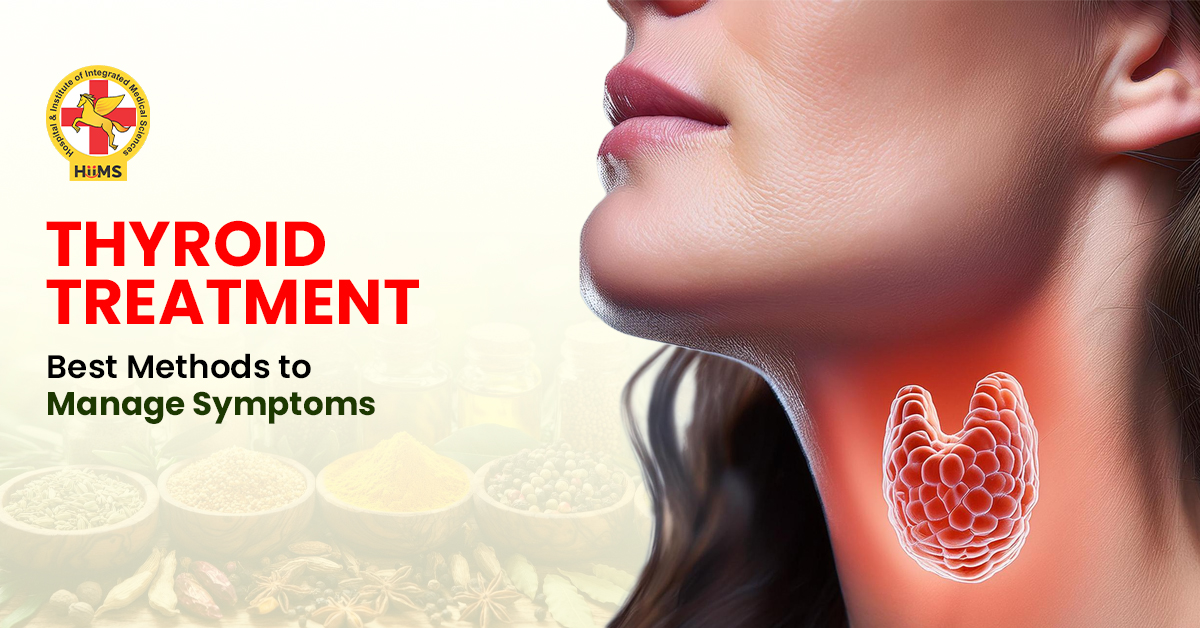
You don’t really notice how much this tiny gland controls your day until it stops working the way it should. Energy feels a bit off, moods fluctuate, and digestion slows down for no clear reason, and life gets a little heavier than usual. That’s usually when people start searching for thyroid treatment, but they’re already confused because symptoms overlap with so many other issues.
In Pune, many people walk into natural or holistic clinics with the same worry: “Why am I feeling this way even though reports look almost normal?” And honestly, that’s fair. Thyroid imbalance can be difficult to manage. The signs come slowly and generally hide under stress, poor sleep, or a rushed lifestyle.
So this blog just tries to make things simpler; nothing complicated, just a clear understanding of what’s going on inside your body and how natural, steady methods can help.
What The Thyroid Actually Does
The thyroid sits at the base of your neck, but it quietly controls the pace of almost everything, from metabolism, warmth, heartbeat, digestion, mood swings along with even how crisp or dull your thoughts feel. When it slows down (hypothyroidism), the whole system drags. When it speeds up (hyperthyroidism), everything feels rushed and chaotic.
Most people don’t catch it early because the symptoms feel “normal” at first, like just being tired or a little stressed. However, patterns do appear over time.
Why Thyroid Imbalance Happens
There isn’t one single reason. It could be an autoimmune reaction like Hashimoto’s. It could be long-term stress. Sometimes, it’s hormonal shifts. In Ayurveda, there’s simply too much toxin load in the system, Ayurvedic doctors call it “Ama,” which builds up when digestion is weak or lifestyle becomes irregular.
Also, thyroid imbalance is seen as a combination of dosha disturbance, weak metabolic fire (Agni), and sluggish cleansing channels. This is why modern reports explain the numbers, but Ayurveda and natural treatments focus on the conditions behind those numbers.
Symptoms You Should Not Ignore
Most people feel one or two of these signs and just ignore them, thinking it’s nothing serious:
- Sudden tiredness even after waking up
- Unusual weight gain or weight loss
- Feeling too cold or too hot compared to others
- Dry skin, thinning hair
- Mood dips, anxiety, or a heavy, foggy mind
- Irregular periods (in women)
- Neck tightness or mild swelling
Thyroid issues don’t appear overnight. They build slowly. Catching the signs early makes everything easier.
Natural Ways That Help Manage Thyroid Symptoms
1. Detox Therapies That Reset The System
Most holistic doctors begin with gentle detoxification. It clears toxins, reduces inflammation, and restores balance. Panchakarma therapies are used because they work on deeper channels, not just surface-level symptoms. This is usually the point where the second usage of thyroid treatment fits naturally as part of deeper healing methods.
2. Herbs That Support Hormones Naturally
Ayurvedic herbs don’t act like instant switches; they work slowly but steadily.
Common ones include:
- Ashwagandha for stress and hormone balance.
- Kanchanar Guggulu for glandular swelling.
- Triphala to support digestion and detox.
- Guggulu for metabolism.
- Shatavari for hormonal support.
These herbs help stabilise the internal rhythm, something medication alone cannot do.
3. Food Habits That Keep Digestion Calm And Steady
A fresh, warm, cooked, easy-to-digest diet works best. Fresh homemade meals, gentle spices like turmeric, cumin, and ginger, and avoiding too many cold or processed foods make a real difference.
Small but consistent changes, like fixed meal times, not skipping breakfast, and limiting sugar and white salt, support hormonal balance far more than people realise.
4. Yoga And Breathing To Calm The Nervous System
Neck stretches, backward bending, and simple poses like Bhujangasana or Setu Bandhasana support thyroid blood flow. Pranayama helps even more because stress directly affects hormones.
Just ten minutes a day can shift the body from “fight or flight” mode to a calmer state where healing becomes easier.
5. Specialist Guidance For Long-Term Care
A good thyroid specialist, especially one who understands both modern and natural systems, tracks your progress and adjusts herbs. This coordinated care is what makes holistic thyroid treatment at Jeena Sikho HiiMS Pune safe and reliable.
Monitoring And Expectations
You still need your regular TSH, T3, and T4 tests. The progress is watched from two sides: symptoms and lab values. Most people start feeling lighter by the fourth or fifth week, but full balance always takes a bit of patience.
Conclusion
Managing thyroid issues is not about rushing. It’s about understanding what your body needs and giving it a steady path to recover. A balanced lifestyle, supportive herbs, and guided therapies create long-lasting benefits.
If you’re in Pune or nearby and searching for gentle, effective thyroid treatment, visiting a holistic center like Jeena Sikho HiiMS can give you clarity and a personalised plan that actually fits your life.
For appointments or guidance, call +91 87920-87920 or write to care@jeenasikho.com. Sometimes, a simple conversation with the right doctor becomes the turning point.

FAQs
1. Can natural remedies replace my thyroid medicine?
Not immediately; any change must be done only under a doctor’s supervision.
2. How long until I feel better?
Most people feel small improvements within a month; deeper improvements take longer.
3. Are there side effects from herbal medicines?
When prescribed correctly, they’re usually safe. Self-medication should be avoided.
4. Do I still need lab tests while taking herbal treatment?
Yes, regular tests are important to track progress.
5. Is stress really a big trigger?
Yes. Stress affects hormones directly, and relaxing the mind helps stabilise thyroid function.
Disclaimer: The information provided on this blog is for general educational and informational purposes only. It is not intended to replace professional medical advice, diagnosis, or treatment. Always consult a qualified healthcare professional before making any changes to your diet, lifestyle, or treatment plan. Individual results may vary.