
Sometimes skin problems don’t start big. It begins with a little itching, maybe some redness, something you ignore for a few days thinking it will settle on its own. Then slowly it spreads, becomes uncomfortable, and starts affecting your day. You scratch more than you should, your skin feels irritated all the time, and nothing you apply seems to work for long.
If you have been dealing with this, you are not alone. Many people go through repeated skin issues like itching, fungal infections, or unexplained redness. And honestly, the most frustrating part is that temporary creams give relief but the problem comes back again.
This is where people start looking for something more natural and long term. Not just quick relief, but something that works from the root. That is exactly why Ayurvedic ointments are getting attention again. They are simple, herbal, and focused on healing rather than just suppressing symptoms.
Let’s understand this properly so you can decide what actually makes sense for your skin.
What exactly is a skin infection or irritation?
In simple terms, it is when your skin reacts to something and starts showing signs like itching, redness, rashes, or patches. Sometimes it is caused by fungal growth, sometimes by allergies, and sometimes by internal imbalance in the body.
The thing most people miss is this: skin issues are not always just “skin deep.” They often reflect something going wrong inside, like poor digestion, toxin buildup, or weak immunity.
Why do these skin problems even happen?
There is rarely just one reason. It is usually a mix of things.
- Poor hygiene or sweating a lot, especially in humid weather
- Wearing tight or synthetic clothes for long hours
- Fungal infections spreading in warm areas of the body
- Weak digestion leading to toxin buildup
- Allergic reactions to food, dust, or chemicals
- Excess use of chemical-based creams or products
For example, someone working long hours in sweaty conditions might develop fungal patches. Another person eating irregular junk food may start seeing skin flare-ups without understanding why.
What does it actually feel like?
If you have gone through it, you already know it is not just “a small issue.”
- Constant itching that gets worse at night
- Red or inflamed skin patches
- Burning or irritation after scratching
- Dryness or flaky skin in some cases
- Circular patches in fungal infections
- Discomfort in public because you keep wanting to scratch
It becomes mentally exhausting after a point. You try one cream, then another, and the cycle just continues.
How is it usually diagnosed?
In most cases, diagnosis is quite basic.
- A doctor looks at the affected area
- Sometimes they ask about your lifestyle and diet
- In fungal cases, they may confirm based on pattern and spread
But honestly, a deeper diagnosis should also look at internal factors like digestion, lifestyle habits, and immunity. That part often gets ignored in quick treatments.
What actually helps? A practical way to approach treatment
This is where things need a shift. Instead of just applying random creams, a more balanced approach works better.
1. Using an Ayurvedic ointment for itching
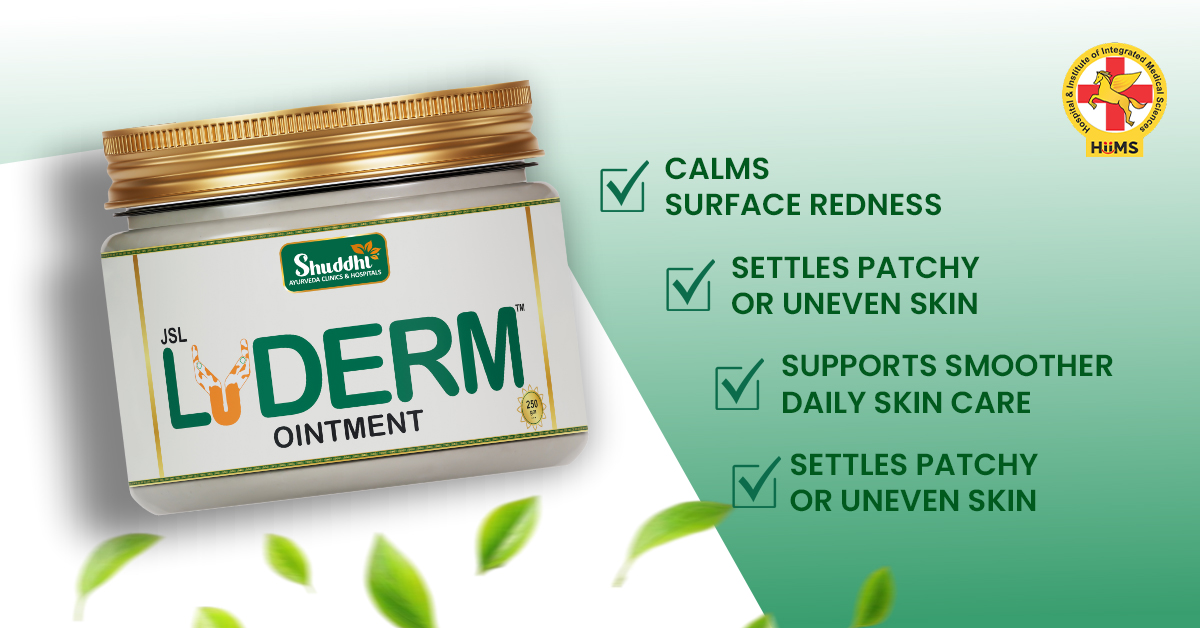
A good herbal ointment for itching and redness works gently on the skin. It does not just suppress the irritation but helps calm the skin naturally.
If it is an anti-fungal herbal ointment, it can also help control fungal growth without harsh chemicals. This makes it a better option for long-term use.
2. Keep the skin clean and dry
Sounds basic, but it matters a lot.
- Wash affected areas regularly
- Dry properly, especially skin folds
- Avoid tight clothing
3. Diet changes matter more than you think
This part is usually ignored.
- Reduce oily and processed food
- Avoid excessive sugar (it can worsen fungal issues)
- Eat simple, home-cooked meals
- Stay hydrated
4. Lifestyle correction
Irregular routines can make skin issues worse.
- Sleep properly
- Avoid stress as much as possible
- Maintain daily hygiene
How Jeena Sikho HiiMS looks at skin problems differently
What makes the approach different here is that they do not treat it as just a surface issue.
They focus on the root cause through a structured method:
Step 1: Understanding the body condition
They try to figure out why the issue is happening. Whether it is digestion, toxin buildup, or lifestyle imbalance.
Step 2: Diet planning
A proper diet is suggested based on your condition. This helps in reducing internal triggers that affect the skin.
Step 3: Ayurveda-based support
Herbal formulations and Ayurvedic ointment for itching are used to calm the skin naturally without harsh side effects.
Step 4: Detox process
In some cases, detox therapies are included to remove toxins from the body. This is important because many skin problems are linked to internal imbalance.
Step 5: Lifestyle correction
Daily routine, sleep, and habits are corrected gradually so the problem does not come back.
This approach is slower compared to quick creams, but it is more stable and long lasting.
When should you stop ignoring it and see a doctor?
There is a limit to home care.
- If itching does not improve in a few days
- If patches are spreading quickly
- If there is pain, swelling, or discharge
- If the same problem keeps coming back again and again
At that point, it is better to get proper guidance instead of experimenting randomly.
Conclusion
Skin problems can look small in the beginning, but they can become really frustrating if not handled properly. Instead of relying only on temporary solutions, it makes more sense to look at the root cause and choose a balanced approach. Using a herbal ointment for itching and redness along with simple changes in diet and lifestyle can make a real difference over time. If things are not improving, you can always reach out for proper guidance at +91 82704 82704 or care@jeenasikho.com.
FAQs
1. Can Ayurvedic ointment be used daily for itching?
Yes, most herbal ointments are gentle and can be used regularly, but it is still better to follow proper guidance for long-term use.
2. How long does it take to see results in fungal infections?
It depends on the severity, but with consistent care and hygiene, improvement usually starts within a few days.
3. Is itching always caused by fungal infection?
No, itching can also happen due to allergies, dryness, or internal imbalance in the body.
4. Can diet really affect skin problems?
Yes, poor eating habits can trigger or worsen skin issues, especially when digestion is weak.
5. Is it safe to rely only on creams for skin problems?
Not always. Creams may give temporary relief, but without addressing the root cause, the problem can come back again.