

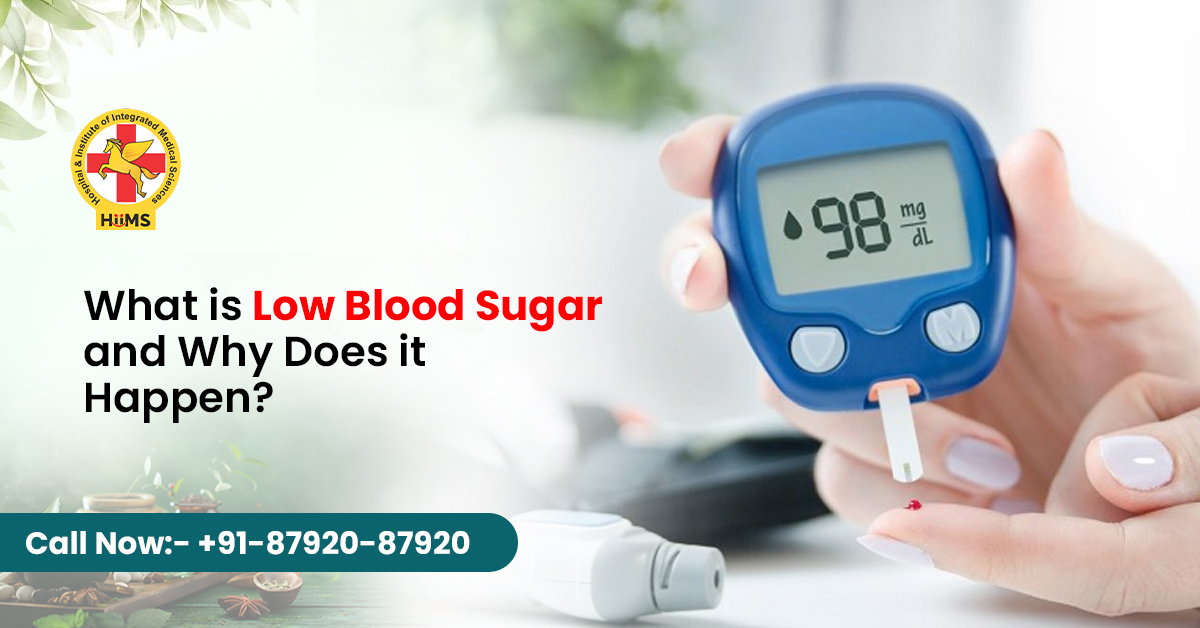
Low blood sugar means there is less sugar in your blood. This sugar gives energy to your body. When it becomes low, you may feel weak, dizzy, sweaty, or very hungry. Sometimes you may also feel tired or uneasy. This problem is also called hypoglycemia. It is mostly seen in people with diabetes, but others can also get it because of skipping meals, poor food habits, stress, or irregular daily routines.
In simple words, low blood sugar means your body does not have enough fuel to work properly. Because of this, daily work, focus, and mood can be affected. If this problem happens again and again, it may harm your health in the long run.
The purpose of this blog is to help you understand what low blood sugar is, why it happens, how to notice early signs, and how to manage it in simple and natural ways.
What Is Low Blood Sugar (Hypoglycemia)?
Low blood sugar happens when your blood glucose level goes below 70 mg/dL. At this level, your body cannot function smoothly. Your brain, muscles, and nerves start feeling weak because they are not getting enough energy. If it is not treated on time, it can become serious.
Common Symptoms of Low Blood Sugar
1. Feeling Very Hungry Suddenly
When your blood sugar drops, your body quickly asks for energy. This makes you feel very hungry all of a sudden, even if you have eaten recently.
2. Weakness or Tiredness
Low sugar means low energy. Your muscles and body start feeling weak, heavy, and tired because they are not getting enough fuel.
3. Sweating
Your body reacts to low sugar by releasing stress hormones. This can cause cold sweating, even when you are not doing any physical work.
4. Shaking Hands
Low glucose affects your nerves. This makes your hands shake or tremble without control, especially when sugar drops suddenly.
5. Dizziness
When the brain does not get enough glucose, you may feel lightheaded or unsteady or feel like you might faint.
6. Headache
Low sugar can make you feel pain or heaviness in your head because the brain gets less energy.
7. Fast Heartbeat
Your heart may beat faster when sugar is low as the body tries to stay active.
8. Blurred Vision
When sugar levels fall, eye muscles and nerves get affected, which can cause temporary blurred or unclear vision.
9. Confusion
The brain depends on glucose. When it is low, you may feel confused, be forgetful, or have trouble thinking clearly.
10. Irritation or Mood Changes
When sugar becomes low, it can change your mood. You may feel irritated, anxious, or upset without knowing why. In bad cases, a person may faint. These signs should not be ignored. Your body is asking for care.
What Causes Low Blood Sugar?
Low blood sugar can happen for many reasons. Some common causes are:
1. Skipping Meals
If you do not eat on time, your body runs out of energy.
2. Taking Too Much Diabetes Medicine
Some diabetes medicines or insulin can lower sugar more than needed.
3. Heavy Physical Activity
Exercising too much without proper food can drop sugar levels.
4. Drinking Alcohol on an Empty Stomach
Alcohol blocks sugar release from the liver.
5. Poor Diet
Eating too much junk food and less healthy food affects sugar balance.
6. Long Gaps Between Meals
Not eating for many hours can cause sudden sugar drops.
How to Manage Low Blood Sugar Naturally
At Jeena Sikho HiiMS, low blood sugar is treated by understanding the root cause, not just the low blood sugar symptoms.
Their approach includes:
1. Detailed Health Check
Doctors study digestion, lifestyle, stress, sleep, and eating habits.
2. Natural Balance Therapy
Ayurvedic treatment helps balance energy and metabolism in the body.
3. Diet Planning
Simple diet plans are given to control sugar levels.
4. Detox and Panchakarma
Special therapies clean the body and improve organ working.
5. Lifestyle Guidance
Yoga, breathing exercises, and daily routines are suggested.
The goal is to help the body regulate sugar naturally and reduce long-term dependence on medicines when possible.
How To Prevent Low Blood Sugar
You can avoid low sugar by following simple habits:
- Eat meals on time.
- Do not skip breakfast.
- Carry healthy snacks.
- Drink enough water.
- Avoid too much junk food.
- Take medicines only as prescribed.
- Rest properly.
- Manage stress.
Small daily habits make a big difference.
When Should You See a Doctor?
You should consult a doctor if:
- Low sugar happens often.
- You feel faint frequently.
- Symptoms are getting worse.
- Medicines are not working properly.
Do not ignore repeated episodes.
Conclusion
Low blood sugar is a common problem, but it should not be ignored. It happens when your body does not get enough glucose for energy. Eating on time, choosing balanced food, and following a healthy routine can help control it. Natural methods also help in keeping long-term balance. If the problem happens again and again, you can contact experts at +91 87920-87920 or care@jeenasikho.com for guidance. Taking care early helps you stay active and healthy.

FAQs
1. What is low blood sugar?
Low blood sugar happens when your body has less sugar than it needs to stay active. Because of this, you may feel weak or tired.
2. What are the early signs?
You may feel hungry, shaky, sweaty, dizzy, or very tired without any clear reason.
3. Can non-diabetic people get it?
Even people without diabetes can get low sugar if they skip meals, eat poorly, or stay hungry for long hours.
4. How often should I eat?
Try to eat something every 3 to 4 hours. Do not stay empty stomach for too long.
5. Can stress cause it?
Too much stress can disturb digestion and hormones, which can affect sugar levels.
Low Blood Sugar, low blood sugar causes, low blood sugar symptoms, symptoms of low blood sugar, what causes low blood sugar, what is low blood sugar
Disclaimer: The information provided on this blog is for general educational and informational purposes only. It is not intended to replace professional medical advice, diagnosis, or treatment. Always consult a qualified healthcare professional before making any changes to your diet, lifestyle, or treatment plan. Individual results may vary.