

There are evenings when small thought processes expand into a restless tide of thought and sleep feels very distant even after the day is done. Your mind keeps returning to the same worries, and simple tasks take more energy than before.
Many call this stress, but when such patterns repeat over weeks they change routine and mood. Continuous worry that affects sleep, appetite and focus is different from short-term stress and deserves attention. At Jeena Sikho HiiMS we look beyond quick fixes and try to find the deeper imbalance that keeps tension active.
This blog outlines the common symptoms of anxiety disorder, highlights clear signs of anxiety disorder, explains likely anxiety causes, and suggests gentle steps for everyday anxiety management. Read on to learn practical ways to recognise these changes and choose steady, manageable steps toward calm.
What is an Anxiety Disorder (and How It Feels Different from Normal Stress)
Everyone faces challenges at times, but normal stress generally seems to ease once a situation resolves. An anxiety disorder keeps the internal alert system active long after the trigger has passed. This long-term activation affects daily routine, disturbs sleep, and makes concentration difficult.
How Anxiety Quietly Affects the Mind and Body Together
Thoughts and bodily reactions talk to each other continuously. A worrying idea raises the heart rate, which then signals the brain that danger exists. Increased worry follows, and muscles stay tight. Over weeks this loop becomes familiar, so steps that calm the body often calm the mind. Combining physical practices with focused attention is the key to effective anxiety therapy.
Common Symptoms of Anxiety Disorder You Should Notice Early
Recognising the symptoms of anxiety disorder early helps with recovery. These symptoms often show first in thought habits and then in the body, so watching for patterns is important.
Emotional and Mental Signs of Anxiety Disorder
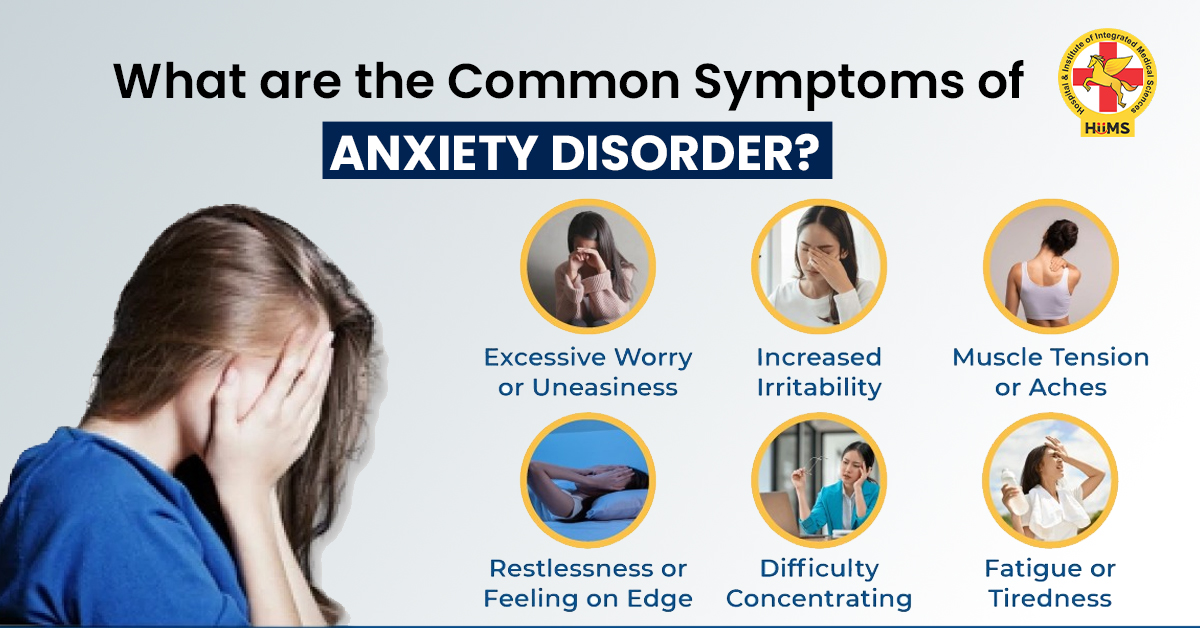
Ongoing worry that shows up even during calm moments, a constant feeling of restlessness that makes it hard to sit quietly, trouble focusing on everyday tasks, and a repeated feeling that something might go wrong even when there is no real reason.
Physical Symptoms That Often Get Ignored
Unexplained palpitations or a racing heart, shortness of breath, frequent digestive discomfort, muscle stiffness, and restless or broken sleep often appear before the emotional picture becomes obvious.
Behavioural Changes That Show Up Gradually
Avoiding situations that once felt normal, overthinking decisions that were once simple, leaning on screens or food to distract uneasy thoughts, and withdrawing from social or work activities.
When Anxiety Becomes Situational
Sometimes anxiety is linked to certain environments or experiences, such as crowded places or speaking in public. These situational reactions are still valid signs of anxiety disorder, and they respond well to techniques specific to the triggering context.
What Causes Anxiety Disorder in Daily Life
Everyday factors commonly contribute to ongoing worry. Such as long hours of unrelieved work stress, disrupted sleep schedules, high caffeine or irregular meals, past emotional strain, and constant screen exposure all these points act as practical anxiety causes Disorder.
Identifying which of these fits your life is the first step toward anxiety management.
A Simple Self-Check: Are These Signs Becoming Frequent?
Ask whether worries stay with you most days, whether sleep or appetite has changed, and whether formerly simple tasks now take more time or energy. Making notes about this for a week gives a clear pattern that helps decide whether to try self-help strategies or look for guided support.
When to Seek Help Instead of Ignoring the Signs
If multiple symptoms of anxiety disorder continue for weeks, reduce your ability to work or maintain relationships, or do not ease with basic routine changes, arrange a consultation. Structured support helps uncover root anxiety causes and puts in place a reliable plan for recovery through combined self-care and professional anxiety management.
Practical and healthy choices such as better sleep, gentle movement, regular meals and fewer stimulants reduce baseline tension when practiced consistently over weeks.
Conclusion
Continuous worry that changes the daily life is not simply the result of overthinking. It often shows clear symptoms of anxiety disorder that need for attention. Recognising these patterns early opens a path to steady improvements through small routine changes, mindful breathing, improved sleep habits and thoughtful dietary adjustments.
Combining these actions with supervised, personalized support strengthens recovery and prevents worry from becoming habitual. Take the step of recording your experiences, reach out for guidance when needed, and choose a plan that feels manageable and safe.
For consultation and guided care contact Jeena Sikho HiiMS at +91 87920-87920 or email care@jeenasikho.com. Help comes when you ask.

FAQs
- What is the simplest way to tell if worry is more than normal stress?
If worry keeps coming back almost every day and starts disturbing your sleep, eating habits, or daily routine, it slowly stops being normal stress and becomes something more. - Can physical symptoms like stomach upset be related to anxiety?
Digestive discomfort often accompanies persistent worry and can be an early sign to watch. - Which daily habits most commonly increase anxious feelings?
Irregular sleep, excessive caffeine, skipped meals and continuous screen time frequently raise baseline tension. - Are there practical first steps someone can try at home?
Simple actions like consistent sleep hours, short daily breathing practices and regular meals usually ease tension over time. - When is professional support advisable?
Persistent signs that reduce work or relationships, or do not improve with basic routines, indicate the need for guided care.
