
Scalp psoriasis often blends into daily life without being noticed. The itching feels minor, the flakes seem familiar, and everything looks like ordinary dandruff. In the middle of busy days and routines, the scalp becomes something people plan to deal with later.
Slowly, though, the signs become harder to ignore. The flakes grow thicker and start sticking to the scalp. Redness becomes visible between the hair. The scalp feels dry, irritated, and uncomfortable even after washing. Sometimes, a slight burning or tight feeling shows up on the scalp, and there is no clear reason behind it. That is usually when people begin searching for proper scalp psoriasis treatment, not just another product or quick fix.
The purpose of this blog is to help readers understand why itching and flaking keep returning, how scalp psoriasis develops over time, and why long-term care focused on internal balance, patience, and daily habits matters more than short-term fixes.
Understanding Scalp Psoriasis and Its Common Symptoms
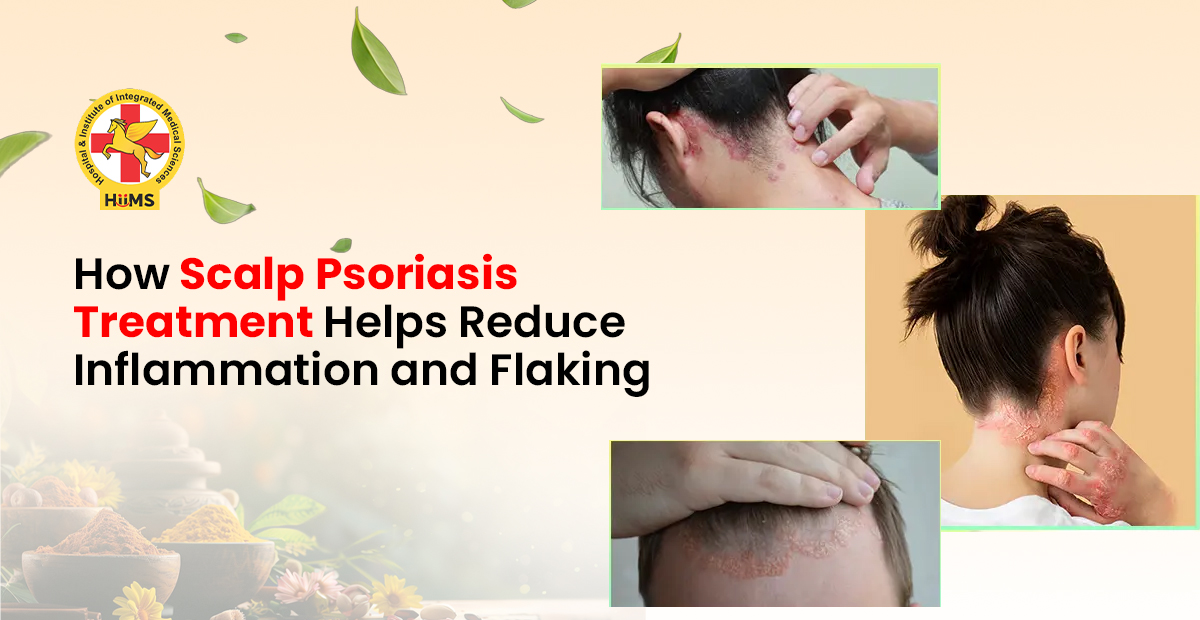
Scalp psoriasis is a chronic inflammatory condition where skin cells grow faster than normal. This leads to very thick skin buildup, flaking, redness, and itching on the scalp. In some people, flakes fall on their shoulders, which becomes socially uncomfortable and emotionally tiring over time.
Common psoriasis symptoms seen on the scalp include:
- Thick white- or silver-colored flakes.
- Red, inflamed patches under the hair.
- Persistent itching or mild burning sensation.
- Dry scalp that feels tight after washing.
- Flakes that return again and again.
Why Scalp Psoriasis Needs More Than External Care
Many people rely only on medicated shampoos or topical creams. These may reduce itching for some time, but flakes often return once usage stops. This happens because internal triggers remain active.
Scalp psoriasis is closely connected with:
- Poor digestion and toxin buildup.
- Long-term stress and disturbed sleep.
- Inflammatory food habits.
- Metabolic balance starts getting disturbed.
- The immune system becomes weaker over time.
Without correcting these factors, treatment stays incomplete. This is why consulting a psoriasis specialist who looks beyond the scalp itself becomes essential.
Role of a Psoriasis Specialist in Long-Term Control
A psoriasis specialist at Jeena Sikho HiiMS does not treat every patient with the same routine. Scalp psoriasis behaves differently in different people. Some flare during stress, others after food mistakes, and some during seasonal changes. By tracking patterns and body response, treatment is adjusted gradually. This helps make results more stable and easier to maintain in daily life.
Jeena Sikho HiiMS Approach to Scalp Psoriasis Treatment
At Jeena Sikho HiiMS, scalp psoriasis treatment is planned after understanding the individual’s body type, digestive strength, stress pattern, and how long the condition has been present. Treatment is not rushed or forced. The aim is to slowly reduce inflammation from within so the scalp can heal in its own time.
- Internal Detox and Inflammation Control
Treatment usually begins with gentle internal cleansing. This helps remove accumulated toxins that often contribute to recurring inflammation. Panchakarma-based therapies are selected only when the body is ready. Everything is kept controlled and supervised.
- Digestive and Metabolic Correction
Weak digestion plays a major role in psoriasis flare-ups. At Jeena Sikho HiiMS, diet correction focuses on strengthening digestion so that inflammation reduces naturally. Heavy, oily, processed, and incompatible food combinations are restricted based on individual needs.
- Stress and Nervous System Balance
Scalp psoriasis often reacts to stress. By focusing on calming therapies, daily routine balance, and simple breathing practices, the nervous system feels more settled, and flare-ups slowly reduce.
- External Scalp Care
External oils and applications are used only as supportive care. They help soothe dryness and itching, but are never treated as the main solution. The real healing work happens internally.
Over time, this combined approach helps in reducing flaking, redness, and discomfort in a steady manner.
- Traditional Ayurvedic Oils and Herbs
Ayurvedic oils are widely used in this treatment because they offer gentle nourishment. Commonly used oils include:
- Neem oil.
- Aloe-based oil.
- Karanj oil.
- Coconut oil infused with the herbs Herbs like turmeric, manjistha, brahmi, or nimba are often used to support the scalp and skin layers.
Therapies Used in Ayurveda
When the symptoms stay for a long time or spread widely, some people explore Panchakarma therapies, including the vaman, virechan, basti, nasya, and rakthmoshan, where common methods include:
Abhyanga—Warm herbal oils are applied to nourish the scalp and support smoother circulation while softening dry patches.
Swedana—Steam helps open skin pores and allows oils and herbal preparations to work more deeply, making the scalp feel calmer and more relaxed.
Virechana—This process supports internal cleansing and balance, helping remove deep-seated toxins under expert supervision. These therapies are done under expert guidance and form a part of structured Ayurvedic treatment for psoriasis.
Final Thoughts
Scalp psoriasis treatment gives better results when care goes beyond flakes and itching. When digestion, stress, immunity, and daily habits are looked at together, the body slowly starts settling. Comfort builds over time, not overnight.
If the symptoms keep coming back, it often means that the surface care is not enough and the deeper balance is needed. For guidance on scalp psoriasis treatment at Jeena Sikho HiiMS, you can connect at +91 82704 82704 or write to care@jeenasikho.com
FAQs
- Is scalp psoriasis the same as dandruff?
Dandruff is usually mild and temporary, while scalp psoriasis is a chronic inflammatory condition.
- Can diabetes worsen scalp psoriasis?
Poor sugar control increases inflammation and slows healing.
- Why do flakes return after stopping shampoos?
External products do not address internal triggers like digestion and immunity.
- Does stress really affect scalp psoriasis?
Stress is one of the most common triggers for flare-ups.
- Is diet important in scalp psoriasis?
Diet is very important, as inflammatory and incompatible foods can worsen symptoms.