

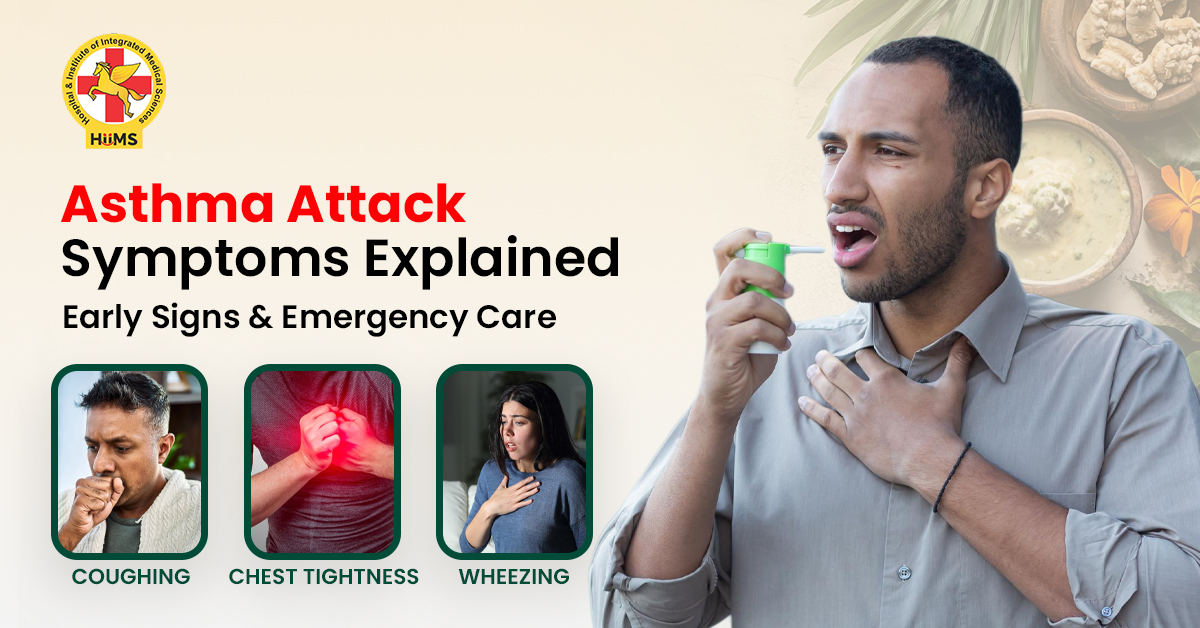
It’s a strange thing, asthma. One moment you’re fine, maybe a little wheezy after running for the bus or laughing too hard, and then suddenly your chest feels tight, your breaths come out in short little huffs, and you can feel the panic start to creep in. It’s not dramatic all at once for some, and for others, it hits like a wall—hard, fast, and frightening.
Millions of people around the world live with this, and in fact, about 8–10% of adults may experience episodes at some point in their lives. Understanding an asthma attack isn’t just about memorizing asthma symptoms — it’s about noticing those subtle signals before they snowball into something more serious. Recognizing early signs, knowing a bit about triggers, and having some basic strategies can literally save a life. And honestly, when someone is gasping for air, every little bit of knowledge counts.
Early signs to watch
You might feel the first hints without even thinking much of it. These are common asthma symptoms:
- Wheezing: a high-pitched whistling sound, usually when exhaling
- Shortness of breath that seems heavier than normal activity should cause
- Chest tightness or a feeling like someone’s squeezing your ribcage slowly
- Coughing fits, especially at night or early morning
- Difficulty speaking in full sentences without pausing to catch your breath
Even if you ignore them at first, they’re signals your lungs are struggling. Catching them early can make a big difference.
What can trigger it
Understanding causes of asthma attack is tricky because it varies from person to person. Some common triggers include:
- Allergens like pollen, dust, mold, or pet dander
- Sudden changes in weather, especially cold or dry air
- Respiratory infections like colds or flu
- Strong odors, smoke, or chemical fumes
- Stress or extreme physical activity
Notice a pattern and avoid the trigger when you can — it’s not always easy, but even small steps matter.
Breathing problems in asthma
During an asthma attack, your breathing can feel funny in ways that are hard to explain. You might gasp, wheeze, feel that tight chest, and notice your breathing is faster and shallow. Even calm people feel panicky because your body is signaling it needs help, and instinctively, you start breathing harder, which sometimes makes it worse. That’s why awareness of breathing problems in asthma is so crucial — it’s not just discomfort, it’s your body crying for relief.
Quick home strategies
If an attack hits, there are some simple things you can try for asthma treatment at home — though remember, these do not replace professional care:
- Sit upright, don’t lie down, to allow your lungs to expand
- Use a prescribed inhaler or quick-relief medication immediately
- Try slow, controlled breathing: in through the nose, out through pursed lips
- Try to stay calm, panicking usually makes the wheezing worse. If you can, step away from smoke, strong smells, or dusty spots until it eases a bit
These little things sometimes help bring the attack down a notch, but if your breathing doesn’t get better, it’s important to get medical help as soon as you can.
Long-term asthma management
Living with asthma isn’t just about treating attacks as they happen, it’s more of a lifestyle thing that sneaks into your daily routine. Some people keep a small diary of symptoms, what seems to trigger them, and when they use their inhaler — it sounds simple, but it really helps. Regular check-ups, skipping known triggers, and following your prescribed medicines can make everyday life feel steadier, a little less scary, and more manageable. Simple habits like mild exercise, staying hydrated, and keeping the home free of dust or smoke can lower attack frequency. And emotionally, knowing you have a plan can ease the constant little worry that creeps in when you feel tightness or hear your own wheezing.
When to call a doctor
If you feel:
- Breathing gets worse despite using medication
- Lips or face start turning bluish
- Rapid worsening of wheezing, coughing, or tight chest
It’s time for professional help immediately. When an asthma attack starts getting worse, every little moment feels important — even a few seconds can make a difference, so don’t wait too long to act or reach help.
More than just asthma attack
While we’re talking mostly about asthma attack and what to do when it hits, the doctors at Jeena Sikho HiiMS also help with other serious health issues — things like cancer, liver problems, heart troubles, infertility, jaundice, and a few more. They don’t just treat the illness; they notice how you’re feeling, answer small questions, and guide you in a calm, steady way.
Conclusion
Living with asthma attack can feel like walking a tightrope sometimes — one moment everything’s fine, the next your chest feels heavy and every breath seems harder than it should be. Noticing asthma symptoms early, spotting what sets them off, and having a rough plan for asthma treatment at home can really make those moments a little less scary. People often tell me that just knowing what to do, having an inhaler close, or taking a few slow breaths makes them feel calmer, like they have a tiny bit of control back. Little steps count — small breaths, avoiding triggers, a pause here or there — and slowly you start feeling lighter, less tense, and a bit more in charge of your own breathing.
Call +91 77106-22307 to talk to Jeena Sikho HiiMS, where the focus is on gentle guidance, patience, and helping you handle breathing problems in asthma while living a calmer, steadier life.
FAQs
- What exactly is an asthma attack
Your airways tighten suddenly, breathing feels heavy, sometimes there’s wheezing, coughing, or a tight pressure on the chest that makes you pause
- Can asthma attacks happen without warning
They sometimes appear fast, but often there are tiny hints — a soft wheeze, extra tiredness, or shortness of breath before it gets worse
- How can I manage asthma at home safely
Keep your inhaler close, sit upright, take slow breaths, move away from smoke or dust, these small things can ease the attack while waiting for help
- Are all wheezing episodes asthma attacks
Wheezing can happen for other reasons like a cold or allergies, but when it comes with tight chest or breathlessness it often signals an attack
- Can lifestyle changes help with asthma
Light exercise, avoiding smoke and triggers, keeping your home clean, and noticing patterns can make daily breathing calmer and attacks less frequent
