
Kidney failure—it sneaks up quietly. You might feel tired, really tired, for weeks, or notice swelling in your feet, maybe puffiness under your eyes. You shrug it off. “Just stress,” you say. Or maybe the taste in your mouth is weird and metallic, like nothing you’ve had before. Most people ignore it until it’s too late. Some kidney issues develop slowly, the kind doctors call chronic kidney failure treatment. Others hit suddenly—acute kidney failure treatment—and then suddenly, everything feels urgent.
Globally, about 10% of people struggle with kidney problems, many unaware. Recognizing kidney failure symptoms, getting a proper kidney failure diagnosis, and finding the right hospital can make a world of difference. It’s not just about treatment. It’s about support, guidance, and someone who actually notices what your body is trying to tell you.
Listening to Your Body: Recognizing Kidney Failure Symptoms
Kidneys don’t shout. They whisper. Fatigue that doesn’t go away, swelling in the ankles (sometimes the hands), changes in urination, occasional nausea, and even headaches.
Tiny hints that most people dismiss. Shrug them off. “It’s just aging,” you think. But these little signs matter. Hospitals that focus on kidney failure diagnosis know what to look for. Blood tests, urine tests, sometimes scans—they catch it before it becomes worse. Early detection makes treatment simpler. Less stressful. And yes, it can prevent long-term damage, too.
Hospitals That Blend Expertise With Human Care
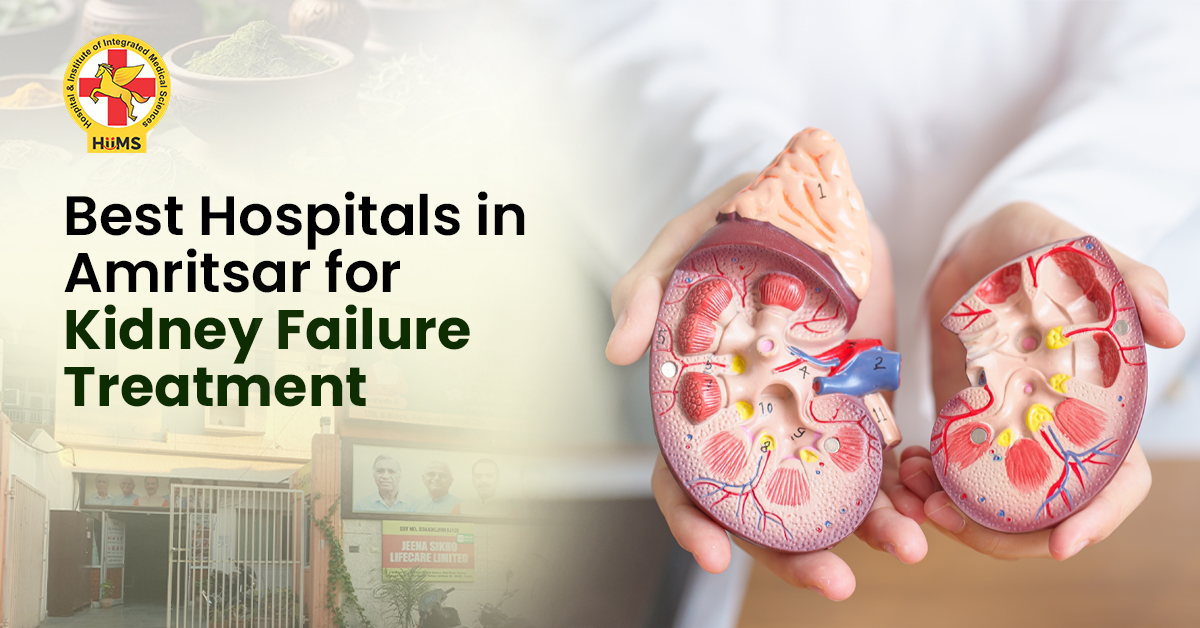
If you’re looking for the best hospitals in Amritsar for kidney failure treatment, technology is one thing. Machines, monitors—they help. But people, doctors, nurses, the staff who actually notice small things—that matters more.
Jeena Sikho HiiMS is one of those places. Modern nephrology care, yes. But also holistic therapies, guidance, reassurance, the kind of care that makes you feel someone is actually paying attention. It’s small, sometimes subtle, but it matters. Patients leave not just treated but understood.
Holistic Approaches to Chronic Kidney Failure Treatment
Chronic kidney problems are taxing. Mentally, emotionally, and physically. Jeena Sikho HiiMS mixes modern treatment with Ayurvedic therapies to give the body gentle support. It feels patient-focused, natural, slow, not rushed.
Ayurvedic Therapies for Improving Kidney Health
- Panchakarma Detox: It involves 5 steps—Vamana, Virechana, Basti, Nasya, Raktamokshana. Honestly, it sounds confusing, I know, but the idea is to get rid of some of the deep toxins. Makes the kidneys feel less burdened. Some people notice it, some feel a bit odd at first, but it’s supposed to help, slowly, not instantly. People notice their bodies feel lighter afterward, though it’s not instant, it takes time and patience.
- Specific Therapies: Things like Snehana (oleation), Swedana (sweating), Abhyanga (oil massage), internal oleation, and warm fomentation. It’s a lot of names, yes, but the idea is simple: these help the blood flow, relax the channels in the body, and slowly let the waste come out naturally. You can almost feel your body unwinding if you pay attention.
- GRAD System: Head Down Tilt (HDT) uses gravity to push more blood toward the kidneys—it sounds technical, but once you lie at the angle, it’s just a gentle shift. Hot Water Immersion (HWI) is sitting in warm water, opening up pores, making you sweat gently, which oddly takes a load off the kidneys. Small things, but they all add up.
Emergency Care for Acute Kidney Failure Treatment
Acute kidney failure can strike fast. Dehydration, infections, or medication reactions—any of these can trigger it. When kidney failure hits suddenly, things can get scary fast. Every minute really counts.
The team at Jeena Sikho HiiMS stays close, watching, adjusting fluids, keeping electrolytes balanced, sometimes doing dialysis if it’s needed. But it’s not like they just stop once the worst is over. They check back, guide meals, therapies, small steps to help your kidneys recover without pushing too hard.
Comprehensive Care Beyond Kidneys
Jeena Sikho HiiMS doesn’t just treat kidneys. Cancer, liver problems, heart disease, infertility, jaundice—they see it all. Families like having everything coordinated. One hospital, one team, one plan. Less confusion. Less stress. Patients feel seen, not shuffled around.
Conclusion
Kidney failure can feel heavy, isolating, and frightening. But it doesn’t have to be hopeless. Early recognition, a proper diagnosis, care that combines modern medicine with holistic support—it changes outcomes. Every minute matters. Jeena Sikho HiiMS provides constant monitoring, manages fluids and electrolytes, and dialysis if needed. But care doesn’t stop when the immediate crisis passes. Subtle signs matter. Every day counts. Don’t wait.
Kidneys work silently every day. They deserve care. Jeena Sikho HiiMS offers diagnosis, kidney failure treatment, and holistic therapies to protect them. Book a consultation today.
FAQ
- What are the earliest signs of kidney failure?
Swelling in feet or hands, fatigue that doesn’t improve, changes in urination, and sometimes nausea or a strange metallic taste are the most common early signs that people often miss.
- Can diet support kidney health?
Structured eating plans like the DIP Diet help reduce kidney strain, regulate fluid balance, and work best alongside medical and Ayurvedic therapies to support recovery.
- How urgent is treatment for acute kidney failure?
It’s really something you don’t want to wait on. If it hits, the kidneys can deteriorate fast, and ignoring it can lead to more problems with your heart, liver, and energy levels. Acting quickly can save a lot of trouble later.
- Are Ayurvedic therapies safe alongside modern medicine?
If you have someone who actually knows what they’re doing—doing Panchakarma, giving the right herbs—it can help your kidneys.
- Can kidney failure affect other organs?
Definitely. Kidneys work with your heart, liver, and all sorts of systems. If they fail or are ignored, it can put pressure on everything else in your body. You’ll feel tired, sluggish, and it can get serious if left unchecked.
