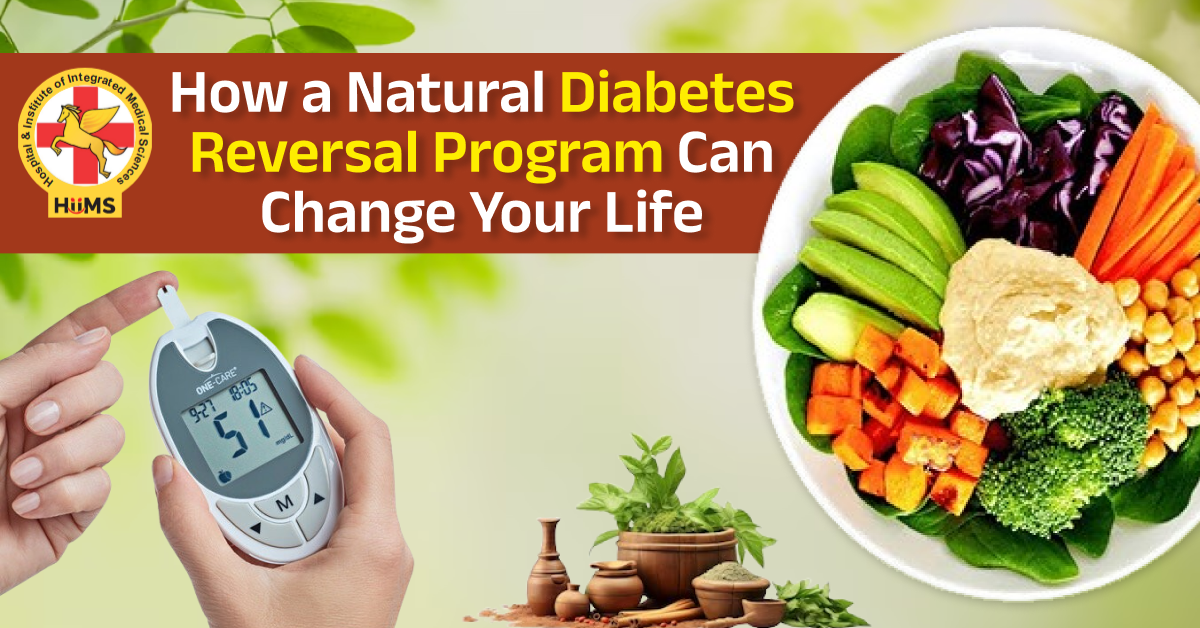

A balanced approach to diabetes wellness focuses on healthy dietary habits, regular physical activity, and sustainable lifestyle practices. A diabetes management programme may include personalised nutrition guidance, low-glycemic foods, and Ayurvedic dietary practices to support healthy blood sugar levels. A well-planned diabetes diet plan can incorporate whole foods, fibre-rich ingredients, and balanced meals according to individual nutritional needs. Along with regular physical activity, stress management, and healthy daily routines, these practices may support metabolic health and overall well-being. Ayurveda-based wellness practices can also be explored as part of an individual’s broader healthcare plan, alongside appropriate medical guidance.
Table of Contents
What is diabetes?
Diabetes is a chronic condition characterised by high blood sugar levels caused by improper insulin production or utilisation by the body.
Diabetes Types:
- Type 1: Autoimmune; typically begins in childhood; requires insulin for the rest of one’s life.
- Type 2: Typical in adults; associated with lifestyle; treated with medication, diet, and exercise.
- Gestational: Occurs during pregnancy; often temporary, but increases the risk of type 2 diabetes in the future.
HIIMS Protocols: Ayurvedic Care of diabetes
Neem Karela Care: The HiiMS Method
One of the main components of the Ayurvedic diabetes management used in the HiiMS protocol is Neem Karela Therapy. Bitter gourd (karela) and neem are well known for their cleansing and anti-diabetic qualities. The therapy operates as follows:
- Mix 250 grams of karela and 250 grams of neem leaves with water to create a thick paste.
- In a big flat container, spread the paste.
- To indicate absorption, the patient massages their feet in the paste until a bitter taste appears in their mouth.
Benefits
- Controls blood sugar levels naturally.
- Enhances blood flow.
- Facilitates the process of detoxification.
This procedure is employed at HiiMS, an Ayurvedic diabetic hospital in India, where modern medical knowledge is combined with ancient healing practices.
Natural Diabetes Wellness Program: 120-Day MMB
Long-term medication frequently seems like the only option for millions of people with diabetes. But what if you could use traditional healing methods and lifestyle modifications to naturally lower or even support diabetes? That is precisely what the Madhumeha Mukta Bharat (MMB) program provides: a planned diabetes wellness program based on Ayurvedic principles, contemporary monitoring techniques and individualised care over 120 days.
What is Madhumeha Mukta Bharat (MMB)?
The 4-month (120-day) Madhumeha Mukta Bharat (MMB) program is primarily for individuals with diabetes. The professionals at HiiMS, an Ayurvedic diabetes hospital in India created this method. It helps patients manage—and maybe support —their disease by combining traditional Ayurvedic knowledge with contemporary technology.
Step-by-Step Breakdown of the MMB Program
Day 1 to Day 6: Observation Period
- A CGM sensor is fitted to the patient.
- They carry on with their usual routine and nutrition.
- The sensor data are examined on Day 6 to assess how different foods and activities affect blood sugar levels.
Day 7: Start of the Intervention Phase
- A comprehensive consultation is held with a nutritionist, a health coach, and a Shuddhi doctor.
- A personalised diabetes support diet plan is recommended.
- Herbs used in Ayurveda are presented as natural remedies.
- The medication plan is introduced and explained.
Day 15: First Evaluation
- CGM readings are obtained once more.
- After that, the gadget is taken out.
Day 17: Comprehensive Review
- A team comprising a nutritionist, a diabetologist, and a Shuddhi doctor meets with the patient.
- After evaluating progress, more Ayurvedic diabetes management herbs are recommended.
Day 30
- A follow-up consultation ensures that the patient is successfully adhering to the plan.
- Herb and dietary changes may be necessary.
Day 45
- A health coach calls the patient to monitor progress and address any questions or concerns.
Day 60
- Another face-to-face meeting with the dietician and Ayurvedic physician.
- Ongoing improvement of the herbal medicine and food plan.
Day 75
- The Health Coach calls again to monitor mental health, diet compliance, and symptoms.
Day 90
- Important health indicators are examined.
- The purpose of the HBA1C test is to assess blood sugar control over the long term.
- Herbs used in Ayurveda are supplied appropriately.
Day 105
- Any unanswered queries or difficulties are resolved.
- Continued assistance via a call from a health coach.
Day 120: Last Consultation
- The medical staff does the last assessment.
- Enhancements are examined.
- Future lifestyle and dietary practice recommendations are made to maintain the wellness that has been accomplished.
Modifications to Lifestyle for Long-Term Effectiveness
There is more to a diabetes wellness program than just cleansing. Here are a few successful strategies:
Everyday Schedule (Dinacharya)
- Keep your wake-up and sleep schedules regular.
- To promote metabolism, eat meals at set times.
- After meals, exercise lightly, such as stretching or walking.
Pranayama and Yoga for Diabetes
- Alternate nostril breathing, or anulom vilom, aids in stabilising blood sugar and oxygen levels.
- Skull-shining breath, or Kapalbhati, improves digestion and eliminates internal pollutants.
Handling Stress
Blood sugar is impacted by ongoing stress. The diabetic support diet plan must include mindfulness and meditation since they reduce cortisol levels and enhance mental health.
Diabetes Panchakarma Detox
Panchakarma therapy is one of the main Ayurvedic strategies for treating diabetes. This age-old method of cleansing provides thorough purification and aids in the renewal of the digestive system, which is essential for controlling blood sugar.
There are two main Healthcare approach involved:
- Virechana (Purgation Therapy): This Healthcare approach uses regulated purging to assist in getting rid of toxins.
- Basti: The medicinal enema known as basti promotes gut health and aids in balancing the Vata dosha, which is essential for insulin function.
When administered under physician supervision, these therapies have demonstrated remarkable efficacy in naturally regulating blood glucose levels.
Conclusion
Adopting a natural diabetes support program based on Ayurveda offers a viable road to better health without the need for long-term medication. People can significantly enhance their insulin sensitivity and blood sugar control by incorporating detoxifying panchakarma therapy, regular lifestyle modifications, and a customised diabetes support diet plan. By fusing traditional medical knowledge with contemporary health monitoring, organisations like HiiMS, an ayurvedic diabetic hospital in India, are leading this shift. Reversing diabetes naturally is possible and can change your life if you put in the necessary effort and follow the appropriate advice.
FAQ
Q1. Can diabetes be support naturally?
With the right Diabetes Wellness Program, lifestyle changes, and Ayurvedic therapies, natural support is possible.
Q2. What is the role of a diabetes support diet plan?
A diabetes support diet plan helps stabilise blood sugar using low-glycemic foods and Ayurvedic herbs.
Q3. How does Panchakarma therapy help in diabetes?
Panchakarma therapy detoxifies the body and improves digestion, supporting better insulin function.
Q4. Is the Madhumeha Mukta Bharat Program suitable for all diabetics?
It’s a personalised plan designed for all types of diabetic patients.
Q5. Where can I find authentic Ayurvedic care for diabetes?
You can visit an ayurvedic diabetes hospital in India, like HiiMS, for an expert and holistic Healthcare approach.
Ayurvedic Diabetes Care Products
100% natural, certified Ayurvedic formulations crafted for targeted diabetes wellness.


Disclaimer: The information provided on this blog is for general educational and informational purposes only. It should not be considered a substitute for guidance from a qualified healthcare professional. Always consult a qualified healthcare professional before making changes to your diet, lifestyle, or healthcare routine. Individual experiences may vary.