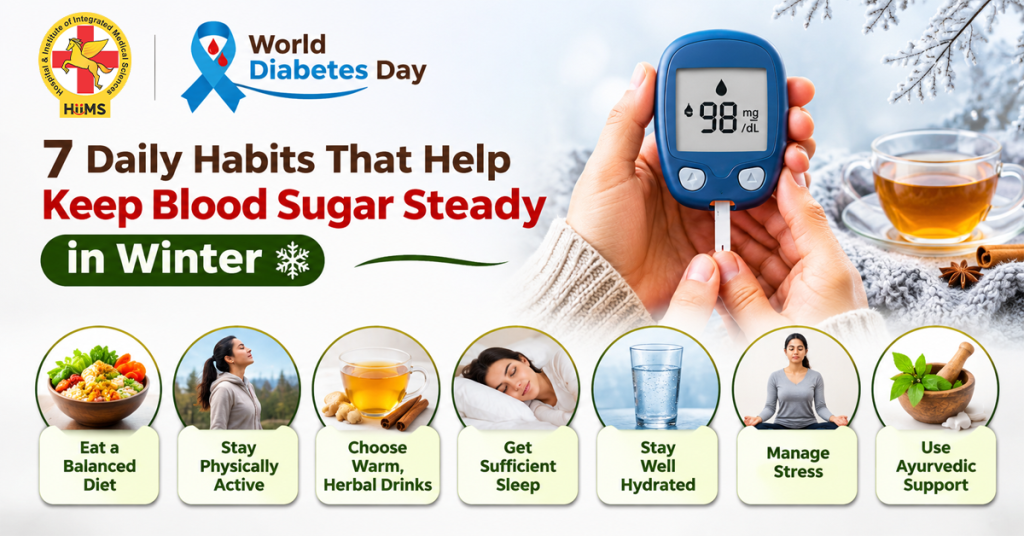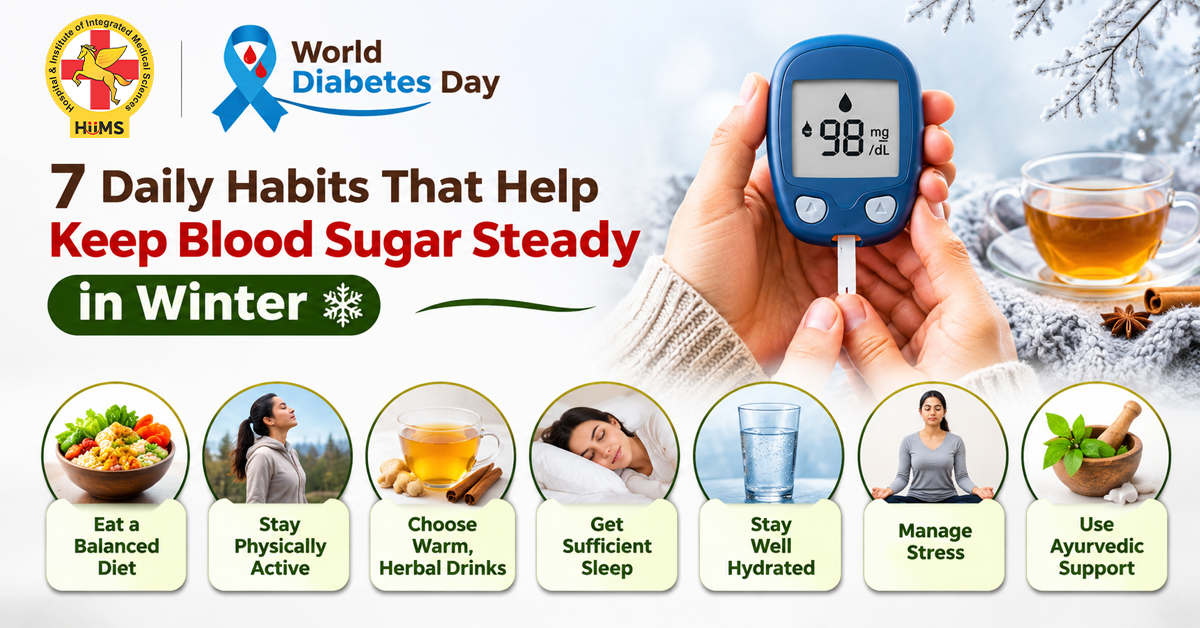

Many people with diabetes notice their readings increasing when the weather turns cold. Mornings are slower, evenings are darker, and the food on the table gets heavier. This blog on blood sugar control in winter shares seven simple daily habits you can start now, ahead of World Diabetes Day 2026 on 14 November.
We also cover what research says about winter and sugar levels and the herbal and lifestyle routines for diabetes.
Table of Contents
World Diabetes Day 2026: Why This Year’s Theme Fits Winter
The WHO and IDF have picked “Early action on diabetes” as the theme for World Diabetes Day 2026. The focus is on earlier diagnosis, access to comprehensive care and reducing the stigma around diabetes.
That message suits winter well. A cold-season check-up is a practical way to catch changes early, and it is a good moment to ask your doctor when your next HbA1c is due and whether your plan still fits your routine.
Diabetes Management in Winter: What the Research Shows
There is good reason to be a little more careful in the cold months. A study in Practical Laboratory Medicine looked at a year of HbA1c results from a tertiary hospital in North India. It found that patients with controlled sugar had higher HbA1c levels in winter and monsoon, and the authors linked the pattern to less outdoor activity and changes in diet.
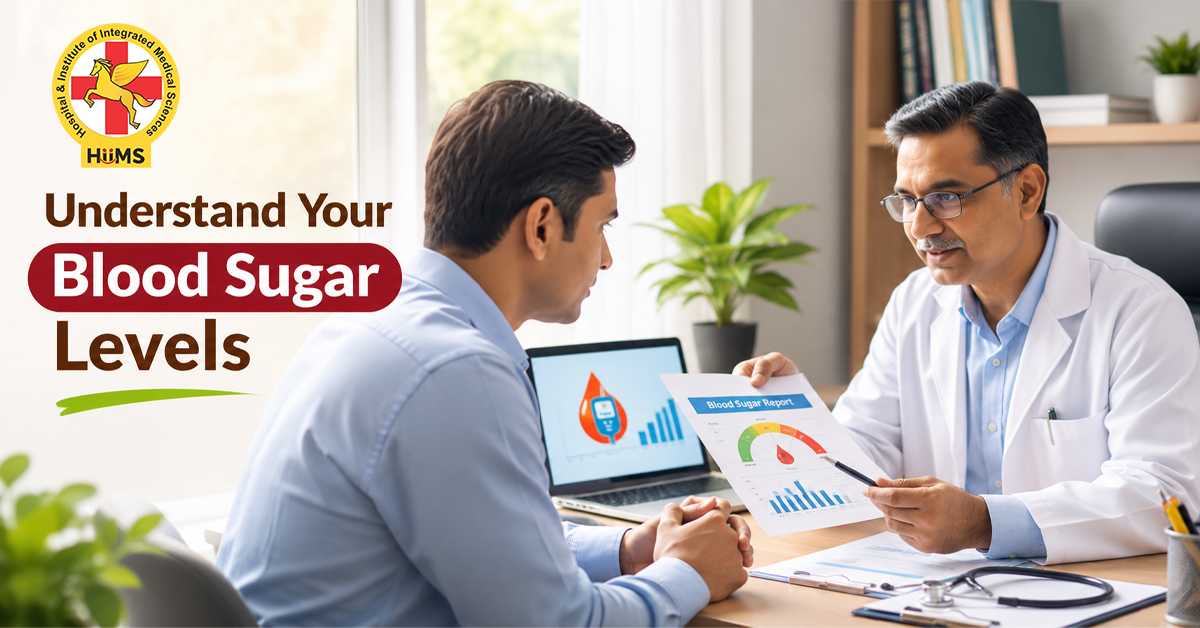
Type 2 diabetes in colder seasons, weight rose along with higher calorie intake and reduced physical activity, and cholesterol and triglycerides went up too.
None of this means your sugar will rise. It means winter gives sugar more reasons to drift, and small habits can offset them. That is the core of blood sugar control in winter.
7 Daily Habits for Diabetes Management This Winter
These winter tips for diabetes are small enough to fit into a normal day. Pick the ones that suit you and build up from there.
1. Make Your Blood Sugar Management Routine Regular
Check your sugar at the times your doctor suggests, and write the numbers down with a short note about what you ate and how active you were. Winter patterns show up faster in a log than in memory.
Take the log to every visit, since it helps your doctor decide whether your plan needs changes. Good blood sugar management starts with knowing your numbers.
2. Build a Winter Diet for Diabetics Around Warm, Simple Food
A winter diet for diabetics doesn’t need to be strict. It needs to be steady. Start meals with soup or a salad, then add dal, vegetables and a small portion of roti or millet.
Roasted chana, a handful of nuts or a fruit make better snacks than biscuits and namkeen. Seasonal favourites like gajar halwa, gur and til sweets can still appear, but in a small portion after a meal, and not as a snack between meals.
3. Keep Moving, Even Indoors
Short days and cold mornings are the main reason activity drops. A 30-minute walk in the late-morning sun is ideal, and if it’s too cold, walk around the house, climb stairs or follow a simple indoor routine.
Break up long sitting spells with a few minutes of movement every hour. On days you can’t walk, HiiMS suggests simple chair exercises, such as raising and lowering your heels, bending and straightening your legs, or moving your legs while sitting.
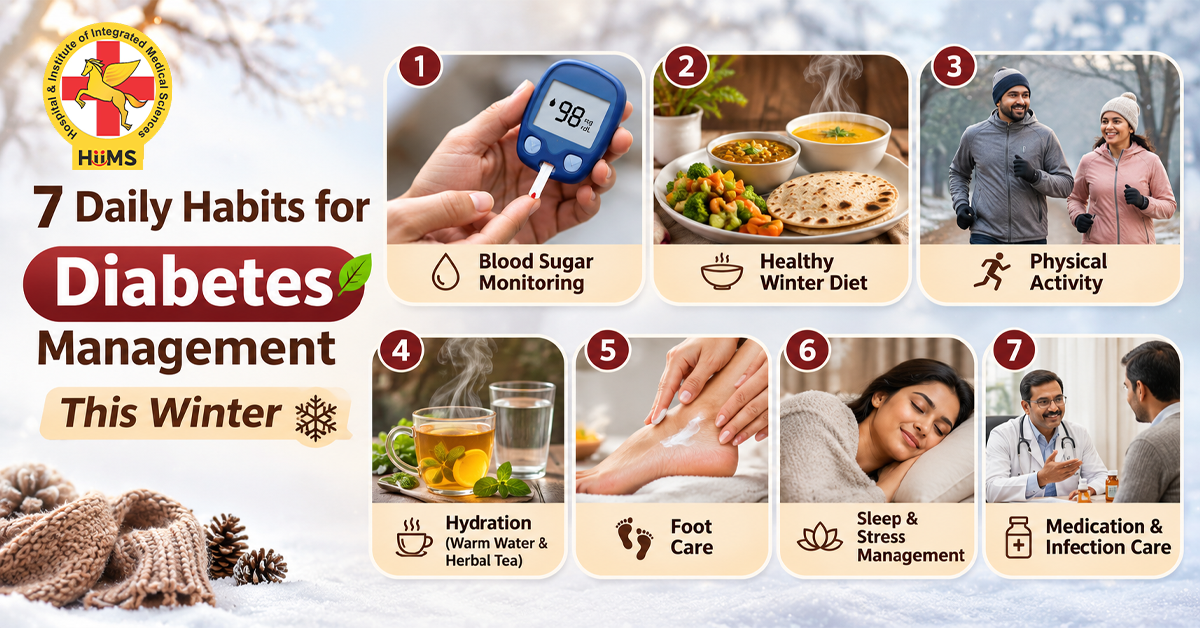
4. Drink Water and Warm Fluids
Thirst fades in winter, so many people drink less without noticing. Dehydration can push sugar readings higher.
Keep warm water within reach, and have unsweetened herbal tea or buttermilk. If you have been told to limit fluids for any reason, follow your doctor’s advice.
5. Look After Your Feet and Skin
Cold air dries the skin, and cracks on the feet can become a problem when circulation or sensation is reduced.
Check your feet every day for cuts, blisters or redness, moisturise them (but not between the toes), and wear warm socks. Avoid hot water bottles and heaters placed directly on the feet, because numbness can hide a burn.
6. Sleep, Stress and Other Healthy Habits for Diabetes
Poor sleep and stress both push sugar up. Keep a regular bedtime, have dinner at least two hours before sleep, and take a few quiet minutes in the day for slow breathing.
These healthy habits for diabetes matter as much as the food on your plate.
7. Take Your Medicines on Time and Watch for Infections
Winter brings coughs and colds, and illness can raise sugar. Take your medicines at the usual time, keep checking your sugar if you feel unwell, and ask your doctor about vaccines suited to you.
If you are sick and your sugar stays high, or you can’t eat or drink, call your doctor.
How to Control Blood Sugar in Winter: A Simple Day Plan
Here is how blood sugar control in winter can look on an ordinary day. It is an example, and your own plan depends on your medicines and reports:
- Morning: Warm water, a sugar check and 10 minutes of stretching
- Breakfast: Moong dal chilla or vegetable daliya
- Mid-morning: A short walk in the sun and a fruit or roasted chana
- Lunch: Soup or salad first, then dal, vegetables and a small portion of roti
- Evening: A short indoor walk and unsweetened tea with a handful of nuts
- Dinner: Early and light, such as vegetable khichdi with a bowl of soup
- Night: Feet check, a calm 10 minutes and bed at a fixed time
These steps are the base of how to control blood sugar in winter, and they work best when you repeat them daily.
Diabetes Care in Winter at Jeena Sikho HiiMS
Jeena Sikho HiiMS offers Ayurveda-based support for people with diabetes, built around personalised plans that blend a pH-balanced diet with AYUSH therapies such as Ayurveda, yoga and naturopathy. Through OPD and VOPD (a video consultation), the doctors also teach therapies like Panchakarma, Hot Water Immersion and Contrast Therapy.
At Jeena Sikho HiiMS, many people tell us their sugar readings creep up in December and January, and they put it down to festive food alone. For blood sugar control in winter, the doctor first looks at your reports and medicines.
Under Acharya Manish Ji’s guidance, our team shows people how to control blood sugar in winter through a few therapies and routines:
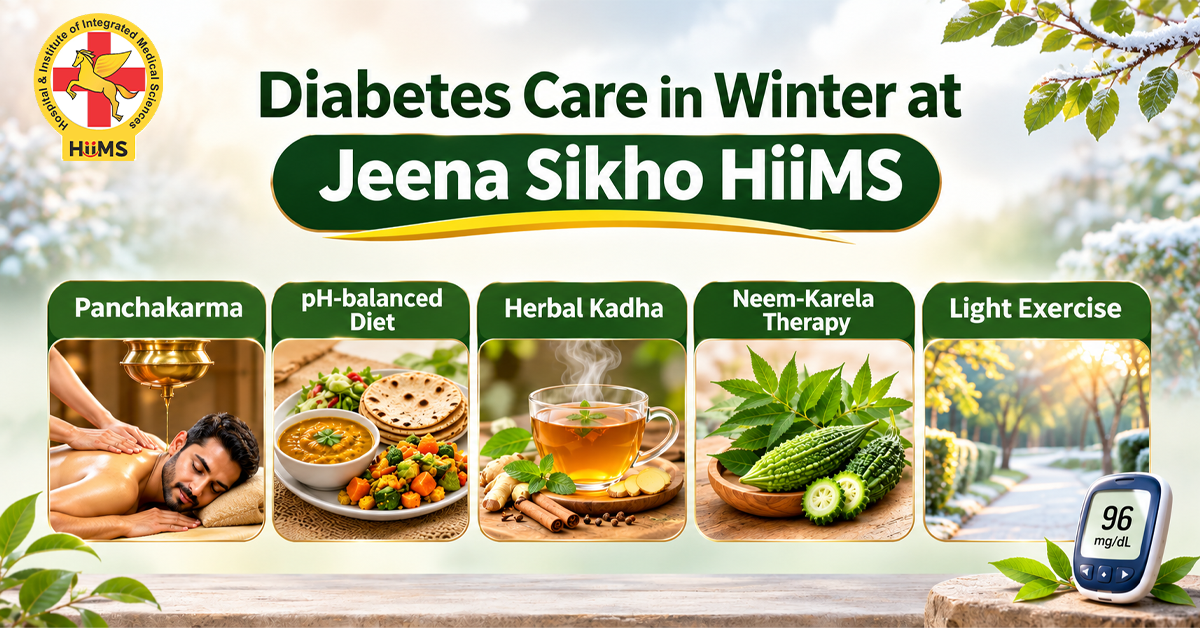
Panchakarma: Panchakarma means “five actions”: Vamana (guided vomiting), Virechana (guided purging), Basti (medicated oil or herbal decoction given through the rectal route), Nasya (nasal drops) and Raktamokshana (bloodletting). Not everyone needs all five. Our doctor chooses case by case, based on your strength, age, reports and medicines, and usually starts with Snehana (oil massage) and Swedana (herbal steam) to prepare the body. People who are weak, have low blood pressure, are pregnant or have an active infection may be advised against some of these steps. If you are on insulin or other diabetes medicines, the doctor will also keep an eye on your readings, since doses may need adjusting. On evidence, a 2025 one-year follow-up study in the Journal of Ayurveda and Integrated Medical Sciences looked at a 90-day Panchakarma programme (neem oil massage, Dashmoola steam and Basti with gudmar, daruharidra and yashtimadhu, along with a low-carbohydrate diet) in about 50 people with type 2 diabetes. Their average HbA1c went from 8.28% to 6.55% at day 90.
pH-balanced diet (Plate 1 and Plate 2): Acharya Manish Ji’s winter diet for diabetics is eaten in two plates. Plate 1 is raw food, like seasonal fruit or a fresh salad. Plate 2 is a cooked millet-based meal with dal and vegetables. Dinner is taken before sunset, and the doctor adjusts portions to your reports.
Herbal Kadha: The kadha uses gudmar, cinnamon, kalmegh, vijaysar and chirayata, 1.5 grams each, boiled in 200 ml of water until it reduces to 50 ml. It is strained and sipped warm. HiiMS presents it as support for the body’s natural sugar processes. Some of these herbs can lower sugar further when combined with diabetes medicines, so check with your doctor first.
Neem-Karela Therapy: Neem leaves and bitter gourd (500 grams each) are ground into a paste, placed in a tub and rubbed on the feet for 30 minutes or more. HiiMS shares it as a foot therapy for supporting sugar balance. Skip it if you have cuts, sores or numb feet, and wash and dry your feet afterwards.
Light exercise: Heel raises, leg bends, and a gentle walk, done standing or sitting, to keep circulation moving.
Diabetes Care Acharya Ji Signature Combo: If you prefer everything in one pack, HiiMS also offers the Diabetes Care Combo Premium. It includes seven products: Gut Care, Body Care Juice, Pet Shuddhi Kit, Dia Care, Pure Shilajit, Dr. Madhu and Anti-Diabetic Shots, each with its own directions on the pack. The store describes it as support for maintaining healthy blood sugar levels, digestion and overall well-being. It is a supportive product and not a replacement for your medicines, so please ask your doctor before starting it, especially if you take diabetes tablets or insulin.

Conclusion
Winter doesn’t have to push your sugar off track. Check your numbers regularly, build meals around warm, simple food, keep moving, drink enough fluids, look after your feet and take your medicines on time.
These daily habits for diabetes management are the basis of blood sugar control in winter, and the World Diabetes Day 2026 message of early action is a good reminder to book that overdue check-up. If you’d like to go over your readings and routine with a doctor, you can do it from home.

FAQs
1. Does winter really affect blood sugar?
For many people, yes. Studies have found higher HbA1c levels in the colder months, often linked to less activity and heavier food. Your own log will show whether it happens to you.
2. Can I eat gajar halwa or til-gur in winter?
Yes, in a small portion after a meal. Check your sugar afterwards to see how your body responds.
3. How often should I check my sugar in winter?
As often as your doctor advises. Checking a little more often can help you spot a pattern early.
4. Is a hot water bottle safe if I have diabetes?
Be careful. Reduced feeling in the feet can hide burns, so use warm socks and avoid placing heat directly on the skin.
5. Can I try the herbal kadha with my tablets?
Talk to your doctor first. Some herbs can lower sugar further when combined with diabetes medicines.
Ayurvedic Diabetes Care Products
100% natural, certified Ayurvedic formulations crafted for targeted diabetes wellness.


Disclaimer: The information provided on this blog is for general educational and informational purposes only. It is not intended to replace professional medical advice, diagnosis, or treatment. Always consult a qualified healthcare professional before making any changes to your diet, lifestyle, or treatment plan. Individual results may vary.