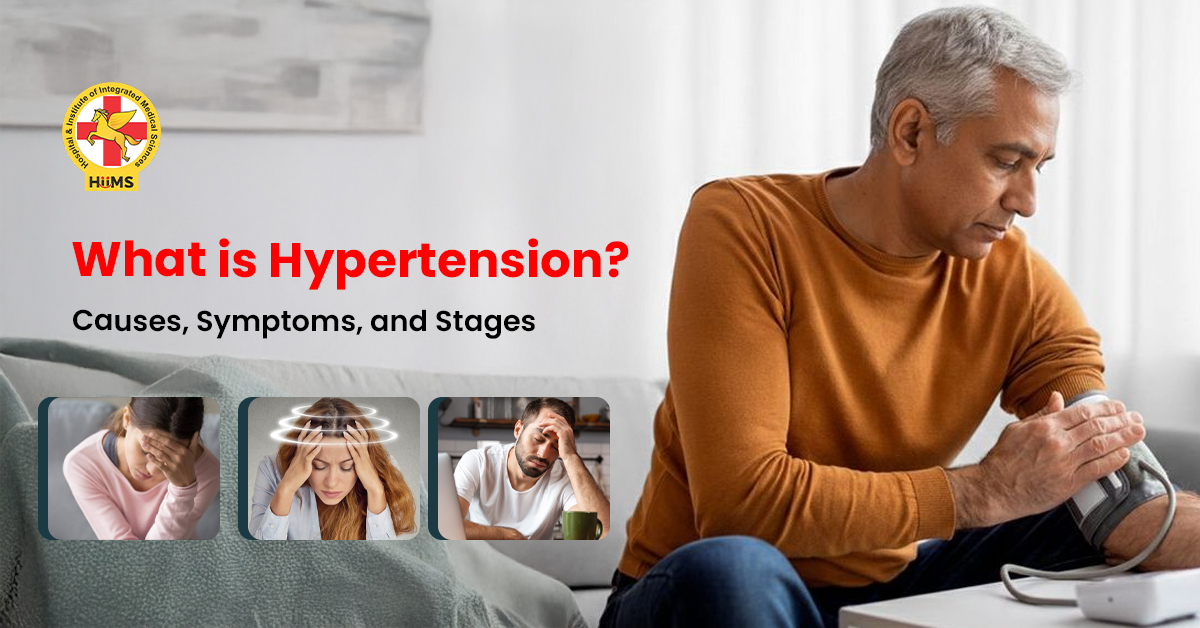

Blood pressure is something we hear about often, but many people do not really understand it until it becomes a problem. It is simply the force of blood pushing against the walls of your blood vessels. When this pressure remains high for a long time, it turns into a condition called hypertension. Many people keep asking, What is hypertension, and why it is considered serious for health.
The truth is, this condition has become very common today. Stress, unhealthy eating habits, lack of physical activity, and poor sleep are some of the main reasons behind it. The concerning part is that it usually does not show clear signs in the early stage. A person may feel completely fine but still have high readings.
That is why understanding hypertension becomes important. If not managed on time, it can slowly affect important organs like the heart, brain, and kidneys. In this blog, we will explain hypertension, its causes, symptoms, and stages in a very simple and clear way.
What is Hypertension in Simple Words?
Hypertension means that the pressure of blood flowing through your arteries stays higher than normal for a long time, which can affect your body.
So, what is high blood pressure? It is a condition where the force of blood is consistently higher than normal. Doctors measure it using two numbers, such as 120 by 80.
The normal blood pressure range is usually around 120 by 80 mmHg. If the numbers stay higher than this for a long time, it is called hypertension.
What Causes Hypertension
People often try to understand the reason behind this condition, since it does not happen overnight.
Some common hypertension causes include:
- Eating too much salty food
- Lack of physical activity
- Stress and mental pressure
- Being overweight
- Smoking and alcohol use
- Family history
- Poor sleep habits
Sometimes, there is no clear reason. This is known as primary hypertension. In other cases, it may happen due to other health problems like kidney or hormonal issues.
Types of Hypertension
There are different types of hypertension, and each type needs a different approach.
Primary Hypertension
This is the most common type and develops slowly over time without a clear reason.
Secondary Hypertension
This happens because of another health problem such as kidney or thyroid issues.
White Coat Hypertension
Some people show high readings only in a clinical setting due to nervousness.
Resistant Hypertension
In this case, blood pressure stays high even after taking treatment.
Common Symptoms to Watch
Understanding hypertension also means knowing that symptoms may not appear in the early stage.
Some common hypertension symptoms include:
- Headache, especially in the morning
- Dizziness
- Tiredness
- Chest discomfort
- Shortness of breath
- Blurred vision
Many people do not notice any symptoms, which is why regular checking is important.
Stages of Hypertension (Based on Medical Guidelines)
Doctors divide blood pressure into levels to understand how serious it is. These are known as the stages of hypertension. According to the American College of Cardiology, blood pressure is classified into different stages to help guide treatment and lifestyle changes.
Normal Stage
- Around 120 by 80 mmHg or lower
This level is considered healthy, and the heart is working normally.
Elevated Stage
- Top number between 120 to 129
- Bottom number below 80
This stage is also called pre-hypertension. At this point, there may be no symptoms, but the risk of developing higher levels increases if lifestyle changes are not made.
Stage 1
- Top number between 130 to 139
- Bottom number between 80 to 89
In this stage, blood pressure is consistently higher than normal. Lifestyle changes are important, and in some cases, medicines may also be advised depending on overall health risk.
Stage 2
- Top number 140 or higher
- Bottom number 90 or higher
This is a more serious stage. Treatment usually includes both lifestyle changes and proper medication.
Hypertensive Crisis
- Above 180 by 120
This is a dangerous condition and needs immediate medical attention.
According to the World Health Organization (WHO), blood pressure is generally considered high when it remains at 140 by 90 mmHg or above on repeated checks.
How Hypertension is Diagnosed
The process of hypertension diagnosis is simple.
Doctors check blood pressure using a machine, but one reading is not enough. It is checked multiple times on different days.
They may also suggest:
- Blood tests
- Urine tests
- ECG
- Kidney tests
These help in understanding the overall condition.
Why Hypertension Should Not Be Ignored
Many people do not fully understand the long-term effects when they learn about hypertension.
If ignored, it can lead to:
- Heart disease
- Stroke
- Kidney damage
- Eye problems
The damage happens slowly, which makes early care very important.
Simple Ways to Manage Hypertension
Hypertension can be handled with easy daily habits:
- Reduce your salt intake
- Walk or exercise every day
- Keep stress under control
- Maintain a healthy weight
- Avoid smoking and alcohol use
- Get enough proper sleep
Small lifestyle changes can give big results over time.
Hypertension Management and Treatment
Managing hypertension is not only about medicines, but also about improving daily lifestyle and understanding its root cause. At Jeena Sikho HiiMS, the treatment focuses on natural ways to support the body along with lifestyle improvement.
The management plan may include:
- Detox therapies to help remove toxins from the body.
- Simple dietary changes with low salt and balanced meals.
- Stress management through yoga and relaxation techniques.
- Regular physical activity based on the person’s condition.
- Use of natural therapies to support overall body balance.
The aim is to support the body step by step instead of only targeting symptoms. With the right support and consistency, blood pressure can be controlled in a more balanced and lasting way.
Conclusion
Hypertension is not just about the numbers you see but also about long-term health and how smoothly your body functions over time. The good part is that early care, small lifestyle changes, and natural ways of improving daily habits can help in managing it effectively. Many people are now also turning towards traditional and natural methods to maintain balance in the body.
If you are noticing changes in your blood pressure or feel concerned, it is better to take guidance on time. You can consider visiting a VOPD to receive proper advice and understand what steps are right for your condition. Taking timely care can help avoid future complications. Taking action at the right time can help you stay healthier in the long run.

FAQs
1. What does blood pressure actually measure in the body?
It shows how strongly blood pushes against the artery walls when the heart pumps.
2. Why is this condition often not noticed early?
Because many people do not feel any symptoms in the beginning.
3. What are some early warning signs?
Headache, dizziness, and tiredness can appear in some cases.
4. Can stress affect blood pressure levels?
Yes, long-term stress can slowly increase it.
5. Can early stages be managed naturally?
Yes, lifestyle changes can help control it early.
Disclaimer: The information provided on this blog is for general educational and informational purposes only. It is not intended to replace professional medical advice, diagnosis, or treatment. Always consult a qualified healthcare professional before making any changes to your diet, lifestyle, or treatment plan. Individual results may vary.