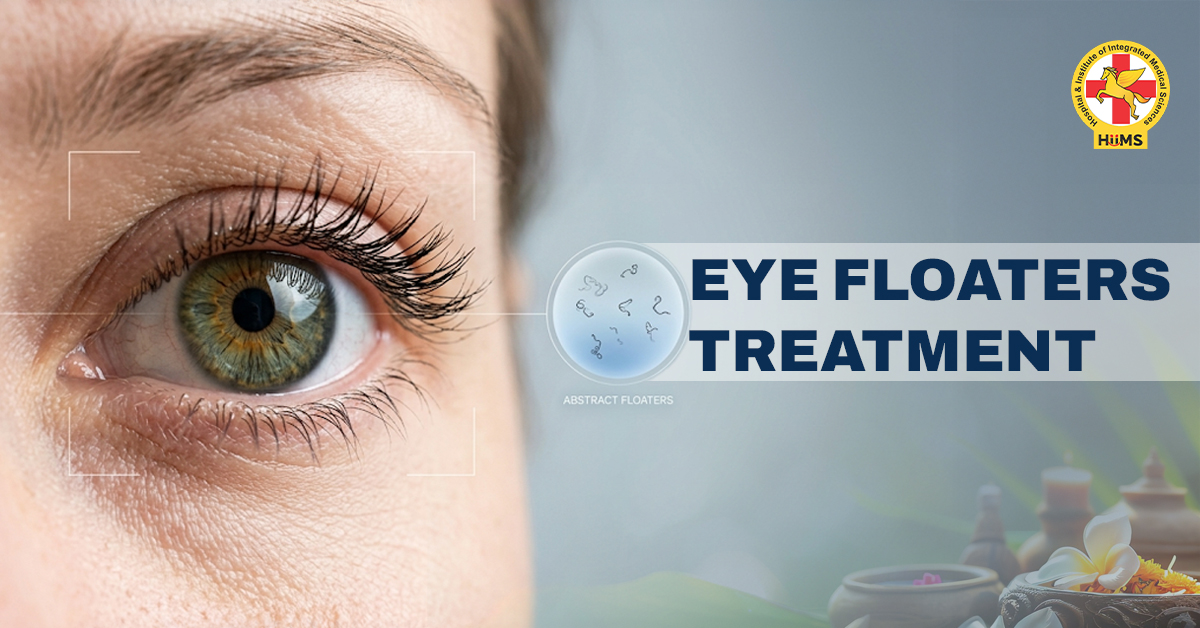

Eye floaters are tiny shapes that appear to move in your field of vision. Many people see them as black or grey spots, fine lines, or string-like patterns. They usually become more visible when you look at something bright, like the sky or a plain white wall. At first, most people ignore them, but with time, they can start to feel distracting or even slightly worrying.
Understanding the right eye floaters treatment becomes important when these spots begin to interfere with your daily routine. In many cases, floaters are harmless and simply linked to aging. However, there are times when they may be connected to other eye-related issues. That is why knowing the causes, symptoms, and available treatment options is something you should not ignore.
This blog will explain what eye floaters are, why they happen, and how you can manage them in a simple way. It will also help you understand how to treat eye floaters safely and recognise when it is the right time to seek medical advice.
What Are Eye Floaters?
Eye floaters are tiny clumps of gel or cells inside the vitreous, which is the clear jelly-like substance inside the eye. When light enters the eye, these clumps cast shadows on the retina, and you see them as floating shapes.
They may move when you move your eyes and seem to drift away when you try to focus on them.
Causes of Eye Floaters
There are several reasons why floaters develop. Some are normal, while others may need attention.
1. Aging Process
As you grow older, the vitreous becomes more liquid and shrinks slightly. This leads to small particles forming inside the eye.
2. Eye Injuries
Any injury to the eye can disturb the vitreous and lead to floaters.
3. Inflammation
Inflammation inside the eye can cause debris to form, leading to floaters. Inflammation is one of the symptoms of pink eye.
Also Read: Pink Eye treatment
4. Retinal Problems
In some cases, eye floaters may be linked to conditions like retinal tear or detachment, which need quick medical attention.
Understanding the cause helps in selecting the right treatment for eye floaters.
Symptoms of Eye Floaters
Floaters don’t look the same for everyone. Some common things people notice are:
- Small dark spots or dots
- Thread-like strands
- Ring-shaped shadows
- Shapes that seem to move in your vision
If you suddenly notice more floaters or they come along with flashes of light, it may be something serious. In such cases, proper eye floaters treatment should not be delayed.
How to Treat Eye Floaters
Many people wonder how to manage eye floaters when they start bothering daily vision. The approach usually depends on how serious the condition is and what is causing it.
- Observation
In many mild cases, no active treatment is required. Over time, the brain adjusts and starts ignoring the floaters.
- Eye Movements
Simple eye movements, like slowly looking up and down, can help floaters drift a bit away from your main line of sight.
- Natural Care Approach
Some people also lean toward traditional methods of eye disease treatment like Ayurveda, where the main focus is on balancing the body with the help of diet, herbs, and daily routine to maintain overall eye health.
Choosing the right treatment for eye floaters always depends on how well you understand the condition and the guidance you follow.
Eye Floaters Remedies
Some simple lifestyle steps can actually make a difference when it comes to managing floaters naturally. These eye floaters remedies are simple to follow in daily life and at the same time help in maintaining overall eye health.
1. Stay Hydrated
Drinking enough water can help maintain the right eye fluid balance over time. You can also use our Netra Shodhak Vati Capsules to keep your eyes hydrated and healthy
2. Healthy Diet
Include foods rich in vitamins A, C, and E. Leafy greens, carrots, and fruits are helpful.
3. Reduce Screen Time
Too much screen exposure can strain the eyes.
4. Proper Sleep
Taking proper rest allows your eyes to recover and function in a better way.
These eye floaters remedies may not remove floaters completely, but they can make the discomfort feel less.
Managing Eye Floaters with Natural Care
Many people prefer natural methods and look for ways to get rid of eye floaters naturally. While floaters may not disappear fully, certain habits can help.
1. Eye Relaxation Techniques
Simple eye movements and blinking exercises can reduce strain.
2. Balanced Nutrition
Antioxidants help protect eye tissues and may also lower the chances of floaters forming.
3. Avoid Stress
Stress can affect overall health, including eye health.
If you are considering natural approaches for floaters, remember that staying consistent with healthy habits really matters.
When Should You See a Doctor?
Floaters are usually harmless, but some signs should not be ignored:
- Sudden increase in floaters
- Flashes of light
- Loss of side vision
- Blurred vision
If these symptoms appear, they may signal something serious that needs immediate treatment or serious eye care. Consult a doctor if you see these symptoms.
Preventing Eye Floaters with Daily Care
While not all floaters can be prevented, you can lower the risk by:
- Eating a healthy diet
- Protecting eyes from injury
- Managing health conditions like diabetes
- Getting regular eye check-ups
Prevention holds the same value when paired with proper eye floaters treatment.
Conclusion
Eye floaters are quite common and in most cases, harmless, but they can still disturb your daily comfort at times. Understanding their causes and symptoms makes it easier to deal with them properly. While mild cases may not require medical care, knowing the right way to manage floaters and when to seek help is important.
Simple lifestyle changes and natural methods can support eye health over time. If symptoms start getting worse, proper treatment for eye floaters should not be delayed. Being aware and acting at the right time goes a long way in helping protect your vision and keep your eyes healthy in the long run.
FAQs
Q1) What are floaters in the eyes?
They are small shapes or spots that appear to move in your field of vision.
Q2) Are floaters a common problem?
It’s common for many people to experience them as they grow older.
Q3) Why do I see spots when looking at a bright surface?
Floaters become more noticeable against light backgrounds like the sky or a white wall.
Q4) Do floaters go away on their own?
In many cases, they become less noticeable over time, but they may not fully disappear.
Q5) Can dehydration affect the eyes?
Yes, lack of water may affect eye comfort and fluid balance.
Disclaimer: The information provided on this blog is for general educational and informational purposes only. It is not intended to replace professional medical advice, diagnosis, or treatment. Always consult a qualified healthcare professional before making any changes to your diet, lifestyle, or treatment plan. Individual results may vary.