
When someone is trying to get pregnant and things are not happening as expected, it can feel confusing and heavy. Many women go through this phase quietly, not knowing where the issue is. One possible reason can be blocked fallopian tubes. It’s not something people discuss openly, but it’s more common than you might think.
Fallopian tubes play an important role in pregnancy. They are the pathway where the egg meets the sperm. If these tubes are blocked, this meeting cannot happen easily. The tricky part is, in many cases, there are no clear signs at the beginning. That’s why understanding the small signals your body gives becomes important.
In this blog, we’ll go through how to know if fallopian tubes are blocked, signs of blocked fallopian tubes in women, and some simple fertility tips that may help you take the next step.
What Are Fallopian Tubes, and Why Do They Matter?
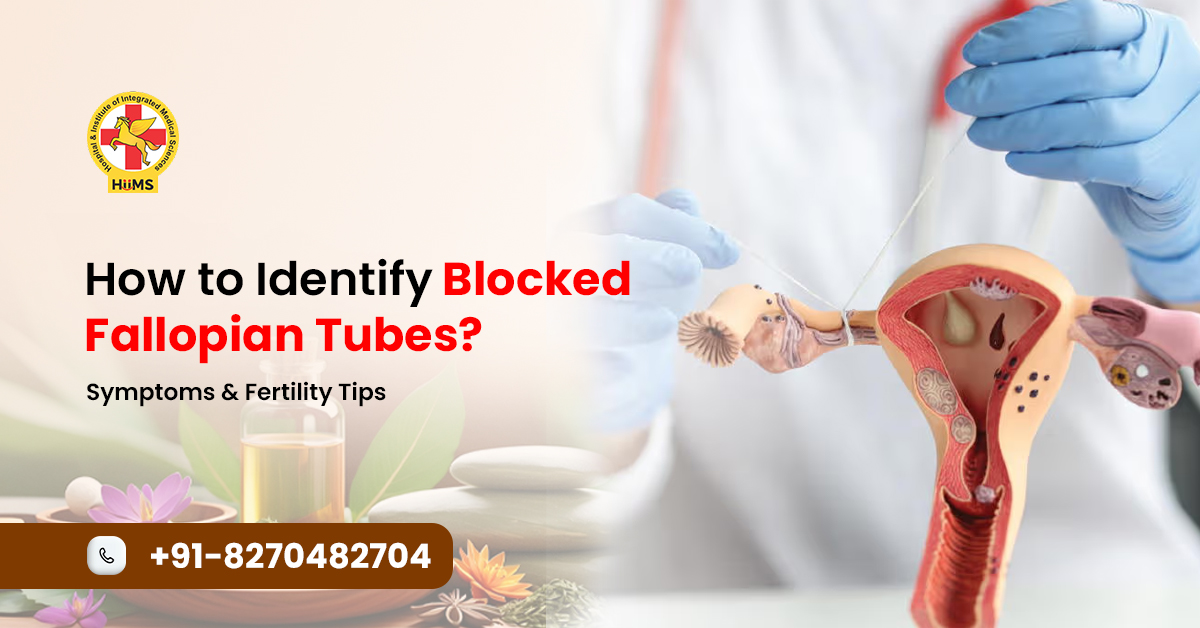
Fallopian tubes are thin tubes that connect the ovaries to the uterus. Every month, when an egg is released, it travels through these tubes. If sperm meets the egg here, fertilization happens. Thereafter, the fertilized egg moves to the uterus.
Now imagine if the tube is blocked. The egg cannot move forward properly. This blockage makes it difficult for pregnancy to happen.
Causes of Blocked Fallopian Tubes
There isn’t just one reason behind this. It can happen due to different conditions over time. Some common causes include:
- Past infections in the reproductive organs.
- Pelvic inflammatory disease (PID).
- Endometriosis (when tissue grows outside the uterus).
- Previous abdominal or pelvic surgeries.
- Tuberculosis affecting the reproductive system.
- Sexually transmitted infections (STIs).
Sometimes, a woman may not even realize she had an infection earlier. But it can still leave an impact.
How to Know if Fallopian Tubes Are Blocked?
This is the difficult part. Many women do not feel anything unusual. Still, there are a few things you can watch for.
1. Trouble Getting Pregnant
If you have been trying for a year (or more) and nothing is happening, it’s worth checking. Blocked tubes can be one reason among others.
2. Pain in Lower Abdomen
Some women feel mild or sharp pain on one side of the lower belly. It may come and go.
3. Irregular Periods
Periods that are not regular or feel different than before can sometimes be linked.
4. Pain During Periods
Strong cramps or pain that feels worse than usual can be a sign of underlying issues.
5. Get Checked on Time
If something doesn’t sit right, then reach out for assistance.
Signs of Blocked Fallopian Tubes in Women
Not every woman will have these, but they are commonly noticed signs of blocked fallopian tubes in women:
- Difficulty conceiving
- Pelvic pain
- Pain during intercourse
- Heavy or painful periods
- Past history of infection
The thing is, these signs can overlap with other conditions too. So guessing is not enough.
Early Symptoms of Fallopian Tube Blockage
In the early stages, symptoms are usually very mild or even absent. Still, a few early symptoms of fallopian tube blockage could be
- Slight discomfort in the lower abdomen
- Light but unusual period changes
- Occasional pain during ovulation
Most people find it easy to overlook these.
Ayurvedic View on Blocked Fallopian Tubes
Ayurveda often associates this condition with body imbalance and channel blockage. Ayurveda takes a holistic approach, considering the entire system rather than just a single organ. The idea is to clear the pathways and bring the body back into balance.
How Jeena Sikho HiiMS Treats Blocked Fallopian Tubes Naturally
In Ayurveda, reproductive health depends on the body’s balance and proper flow inside the channels. When digestion is weak or toxins build up, it may affect the fallopian tubes as well.
The ayurvedic treatment for blocked fallopian tubes focuses on the body cleansing, improving circulation, and helping the uterus function better. It usually includes the herbal medicines, detox therapies, simple diet changes, and lifestyle correction.
At Jeena Sikho HiiMS, doctors first understand your overall health, like periods, digestion, and daily habits, before planning treatment.
Ayurvedic Therapies Used
Some therapies are used under medical guidance:
1. Uttar Basti – herbal oils or liquids are gently given through the vaginal route
2. Panchakarma therapies, such as:
- Virechana (cleansing).
- Basti (gut and reproductive balance).
- Nasya (toxin removal).
- Abhyanga (oil massage).
- Swedana (steam therapy).
These are chosen based on the body’s condition.
Herbal Support
Some commonly used herbs include:
- Shatavari
- Ashoka
- Guduchi (Giloy)
- Guggulu
- Triphala
They are selected based on individual needs, not used randomly.
Simple Fertility Tips You Can Follow
These are small things, but they matter more than people think.
1. Eat Simple, Home-Cooked Food
Avoid very oily or heavy food. Keep meals light and regular.
2. Stay Active
Even a daily walk can help. No need for heavy workouts.
3. Manage Stress
Stress quietly affects hormones. Try simple breathing or meditation.
4. Avoid Self-Medication
Taking random medicines without guidance can make things worse.
5. Get Checked on Time
Don’t wait too long if something seems off.
Conclusion
Blocked Fallopian Tubes can feel like a big obstacle, especially when you are trying to conceive. But the first step is understanding what’s happening inside your body. Many times, small signs are already there we just don’t notice them.
If you have been trying for a while or feel something is not right, it’s better to check early. Things can become clearer and more manageable with the right guidance and steady care. care@jeenasikho.com.

FAQs
1. How to know if fallopian tubes are blocked at home?
There is no sure way to confirm at home. Medical tests are needed for proper diagnosis.
2. Can blocked fallopian tubes open naturally?
In some mild cases, lifestyle and natural care may help, but it depends on the cause.
3.Are blocked fallopian tubes painful?
Some women feel pain, while others have no symptoms.
4. Can I get pregnant with one blocked tube?
Pregnancy is still possible if the other tube is open and healthy.
5. Is Ayurvedic treatment safe for this condition?
It is generally gentle, but it’s better to take treatment under proper guidance.

Disclaimer: The information provided on this blog is for general educational and informational purposes only. It is not intended to replace professional medical advice, diagnosis, or treatment. Always consult a qualified healthcare professional before making any changes to your diet, lifestyle, or treatment plan. Individual results may vary.