
High blood pressure is a common health problem that affects many people in India and around the world. It is also called hypertension. Many people do not know they have it because it usually does not show clear symptoms in the beginning. That is why doctors often call it a “silent problem”. If it is not treated on time, it can harm the heart, brain, kidneys, and eyes.
Many people ignore the early signs of high blood pressure, but knowing them can save you from future trouble. When you understand what to watch for, you can act without delay. Regular doctor visits and healthy daily habits play an important role. Stress, junk food, less movement, and family history can affect even young adults. This blog will explain the early symptoms in clear and simple words.
What Is High Blood Pressure?
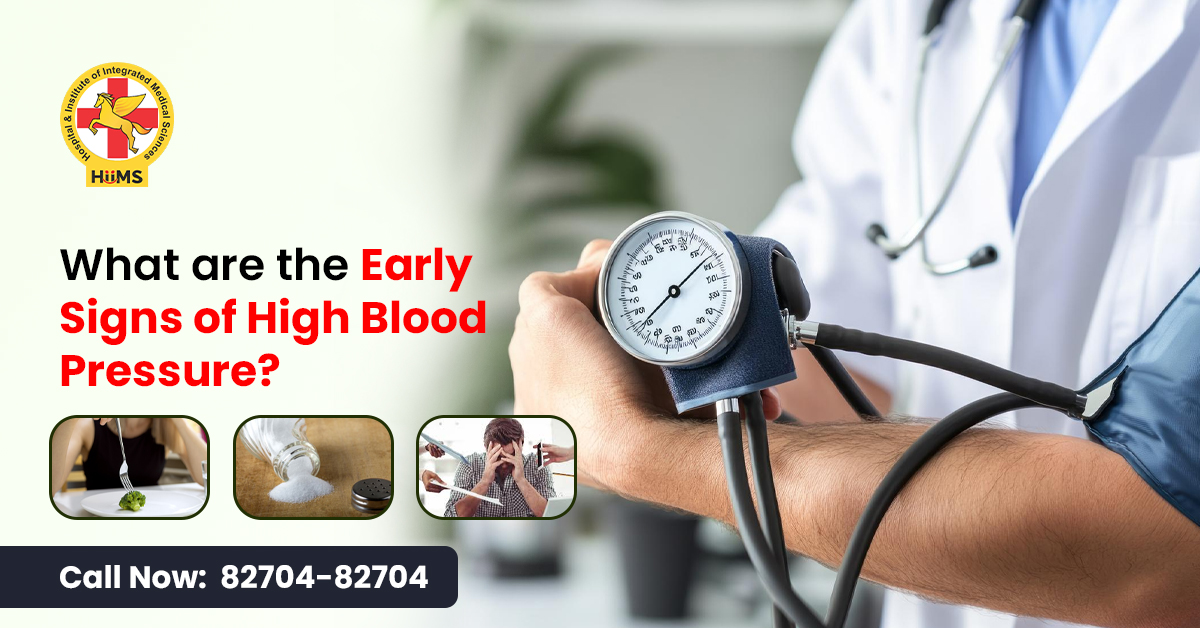
Blood pressure is the force of blood pushing against the walls of the arteries. When this pressure becomes too high for a long time, it is called high blood pressure. A normal blood pressure reading is around 120/80 mmHg. If it stays above 140/90 mmHg, it may be considered high.
High blood pressure makes the heart work harder than normal. Over time, this can damage blood vessels and important organs. Many people ignore the signs of high blood pressure because they seem small or common. But ignoring them can lead to serious problems like a heart attack or stroke.
Why High Blood Pressure Is Called a Silent Problem
One of the biggest challenges is that most people do not feel sick in the early stage. There may be no pain or strong warning. That is why the early signs of high blood pressure are often missed.
Sometimes, a person may feel completely fine but still have high readings. This is why doctors advise regular blood pressure checks, especially after the age of 30. People who are overweight, stressed, or have a family history should be more careful.
Common Early Signs of High Blood Pressure
Although many people do not feel symptoms, some early changes may appear. Let us look at the possible high blood pressure signs that should not be ignored.
1. Frequent Headaches
Headaches, especially at the back of the head, can be one of the early warnings. These headaches may happen in the morning and may feel heavy or tight.
2. Dizziness
Feeling lightheaded or dizzy without any clear reason can be one of the early signs of high blood pressure. If dizziness happens often, it is better to check your blood pressure.
3. Shortness of Breath
If you feel breathless even after doing small tasks like climbing stairs, it may be a sign. This happens because the heart is working harder than normal.
4. Nosebleeds
Sometimes, frequent nosebleeds may be linked to increased blood pressure. Though it is not very common, repeated nosebleeds should not be ignored.
5. Blurred Vision
High blood pressure can affect the small blood vessels in the eyes. Blurred or unclear vision can be one of the high BP signs that need medical attention.
6. Chest Discomfort
Some people may feel mild chest tightness or discomfort. This should never be ignored, as it may point towards heart stress.
Other Warning Signs to Notice
Apart from the common symptoms, there are some other changes that may show up slowly. These signs of high blood pressure may look simple, but they are important.
- Feeling very tired without doing much work
- Difficulty in sleeping
- Fast or irregular heartbeat
- Sweating more than usual
- Anxiety without a clear reason
These symptoms do not always mean high blood pressure, but it is safe to get checked if they happen often.
Who Is at Risk?
Anyone can develop high blood pressure, but some people have a higher risk.
- People above 30 years of age
- Those who eat too much salt and oily food
- People who do not exercise
- Smokers and alcohol users
- People under long-term stress
- Those with a family history of hypertension
If you fall into these groups, you should be extra alert about the early signs of high blood pressure and get regular check-ups.
When Should You See a Doctor?
If you notice repeated headaches, dizziness, or breathlessness, do not wait. Visit a doctor and get your blood pressure checked. A simple machine can measure it within a few minutes.
When blood pressure readings are high again and again, treatment may include diet changes, exercise, or medicines. If high blood pressure signs are ignored, they may lead to heart trouble, stroke, kidney damage, or vision problems. Early care makes a big difference.
How to Manage High Blood Pressure in the Early Stage
Managing blood pressure in the early stage is easier than treating complications later. Here are some simple steps:
1. Eat Healthy Food
Reduce salt intake. Eat more fruits, vegetables, and whole grains. Avoid junk and packaged food.
2. Exercise Daily
Walking for 30 minutes every day can help control blood pressure. Yoga and light exercise are also useful.
3. Manage Stress
Deep breathing, meditation, and spending time with family can reduce stress levels.
4. Maintain a Healthy Weight
When body weight increases, the heart has to work harder. Losing a small amount of weight can bring positive changes.
5. Regular Check-Ups
Keep checking your blood pressure, especially if you notice high BP signs. Regular monitoring helps you stay safe.
At Jeena Sikho HiiMS Hospital, a balanced approach with proper guidance is given to help patients manage lifestyle-related conditions in a natural and safe way.
Importance of Early Detection
Early detection can save lives. When the early signs of high blood pressure are noticed on time, simple lifestyle changes can prevent serious damage. Many people only find out about their condition after facing a major health problem. This can be avoided with awareness and regular health tests.
High blood pressure does not take away your chance to live well. When you eat right, stay active, and follow medical advice, life can remain normal and steady.
Conclusion
High blood pressure is a silent condition. In many people, it does not show clear symptoms at first. But the early signs of high blood pressure such as headaches, dizziness, blurred vision, and breathlessness should never be ignored. Paying attention to these small changes can help you act on time. Regular check-ups, healthy food, daily exercise, and stress control are simple ways to protect your health.
If you or your family members notice any of these symptoms, do not wait. Early treatment can stop serious health problems later.
For proper care and guidance, contact Jeena Sikho HiiMS Hospital at +91-82704 82704 or email care@jeenasikho.com and begin your journey towards better health.

FAQs
1. What is blood pressure?
It is the force of blood pushing against the walls of your arteries.
2. Can young people have this problem?
Yes, even young adults can face it due to stress and a poor lifestyle.
3. Why is it called a silent condition?
Because it often does not show clear warning signs.
4. When should I see a doctor?
If you notice repeated discomfort like headaches or breathlessness, consult a doctor.
5. Does eating too much salt affect it?
Yes, high salt intake can increase blood pressure.
Disclaimer: The information provided on this blog is for general educational and informational purposes only. It is not intended to replace professional medical advice, diagnosis, or treatment. Always consult a qualified healthcare professional before making any changes to your diet, lifestyle, or treatment plan. Individual results may vary.