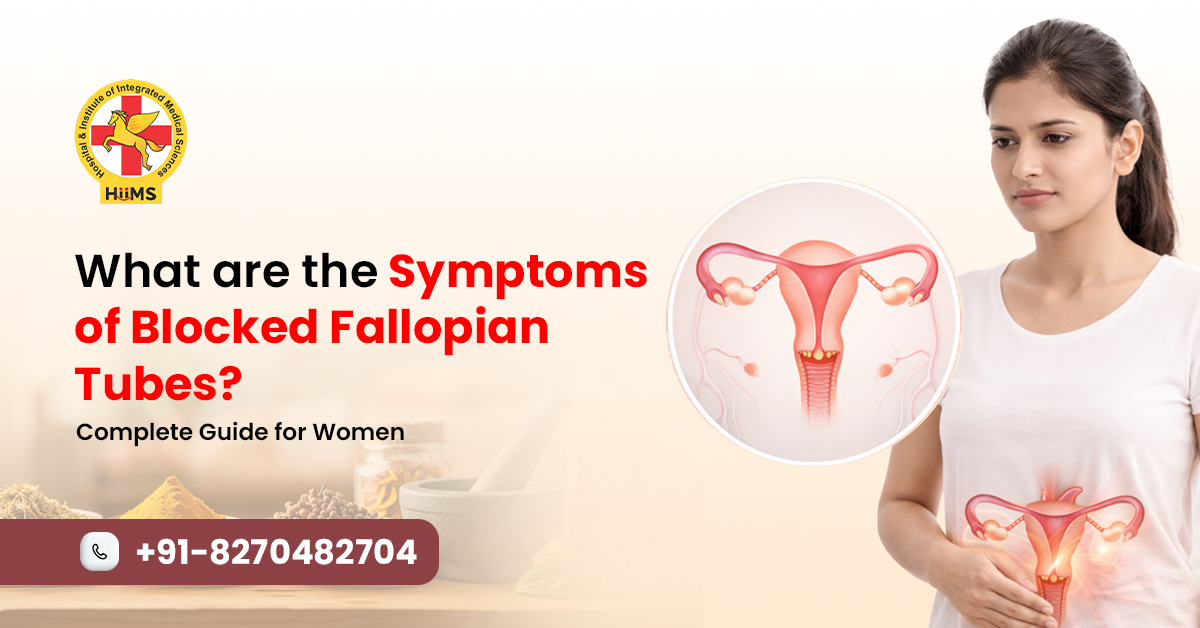

The fallopian tubes are an important part of the female reproductive system. These tubes connect the ovaries to the uterus. When an egg is released from the ovary, it travels through the fallopian tube toward the uterus. This is also the place where the sperm and egg usually meet. After fertilization, the embryo slowly moves toward the uterus for further development.
Sometimes the fallopian tubes may become blocked because of infection, swelling, or scar tissue. When this happens, the egg may not move properly through the tube. Because of this reason, pregnancy may become difficult for many women. Understanding the symptoms of blocked fallopian tubes can help women notice early warning signs in the body. In many cases, the symptoms are not very strong, so the condition may remain unnoticed for a long time. Learning about blocked fallopian tubes symptoms and the signs of blocked fallopian tubes in women helps women become more aware of their reproductive health and seek medical advice when needed.
Table of Contents
Key Signs That May Indicate Blocked Fallopian Tubes
Many women with fallopian tube blockage may not notice very clear symptoms in the beginning. Still, some body changes may appear over time. These blocked fallopian tubes symptoms may vary from person to person.
Some common signs of blocked fallopian tubes in women include:
- Difficulty conceiving even after regular attempts for many months
- Pain in the lower abdomen or pelvic area
- Pain around the time of menstruation
- Menstrual cycles that are not regular
- Pain during physical intimacy
- Unusual vaginal discharge noticed sometimes
- A sense of heaviness in the lower stomach
These symptoms do not always mean the tubes are blocked, but they may show that the reproductive system needs medical attention. If these problems continue for a long time, it is better to consult doctors and find the real cause.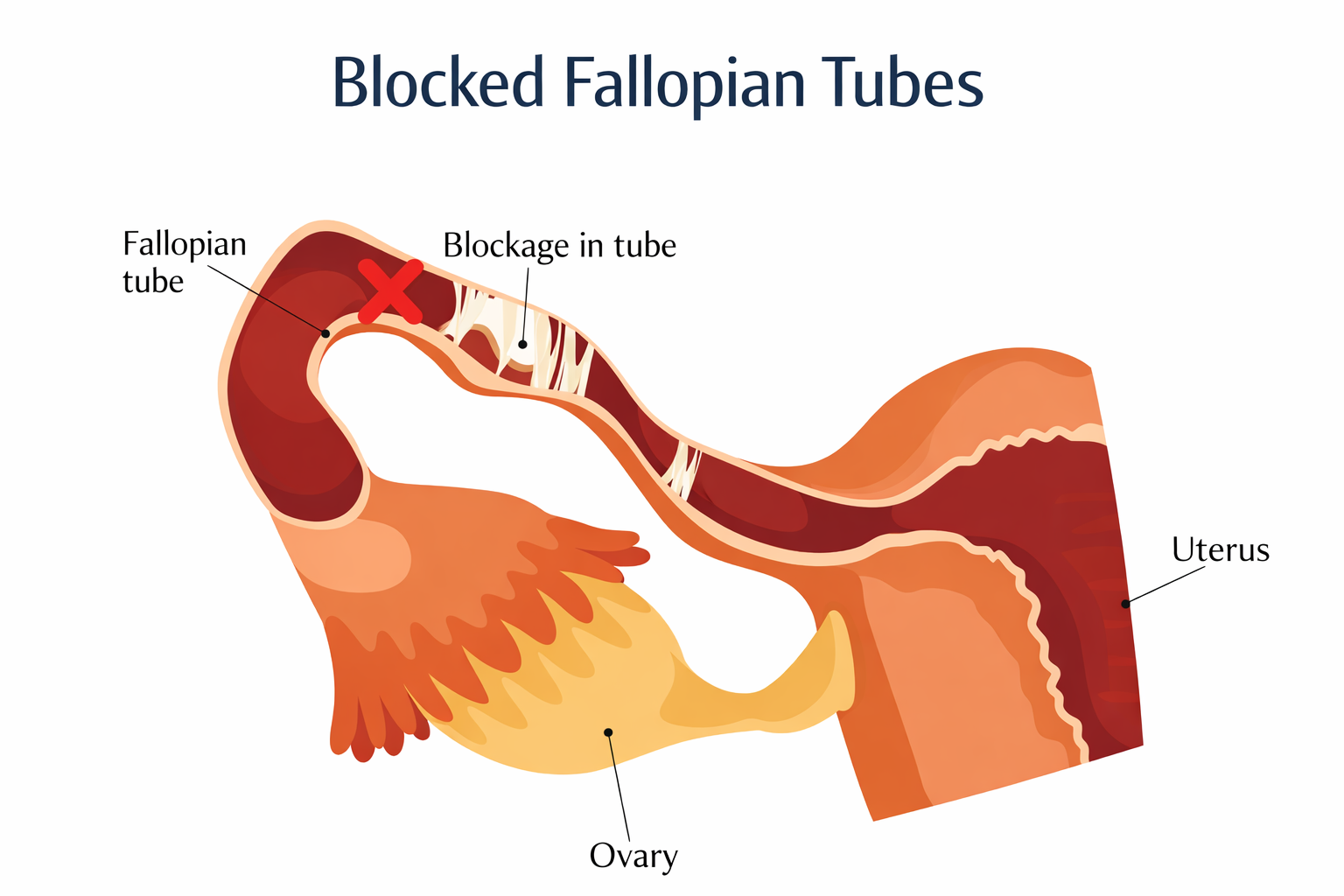
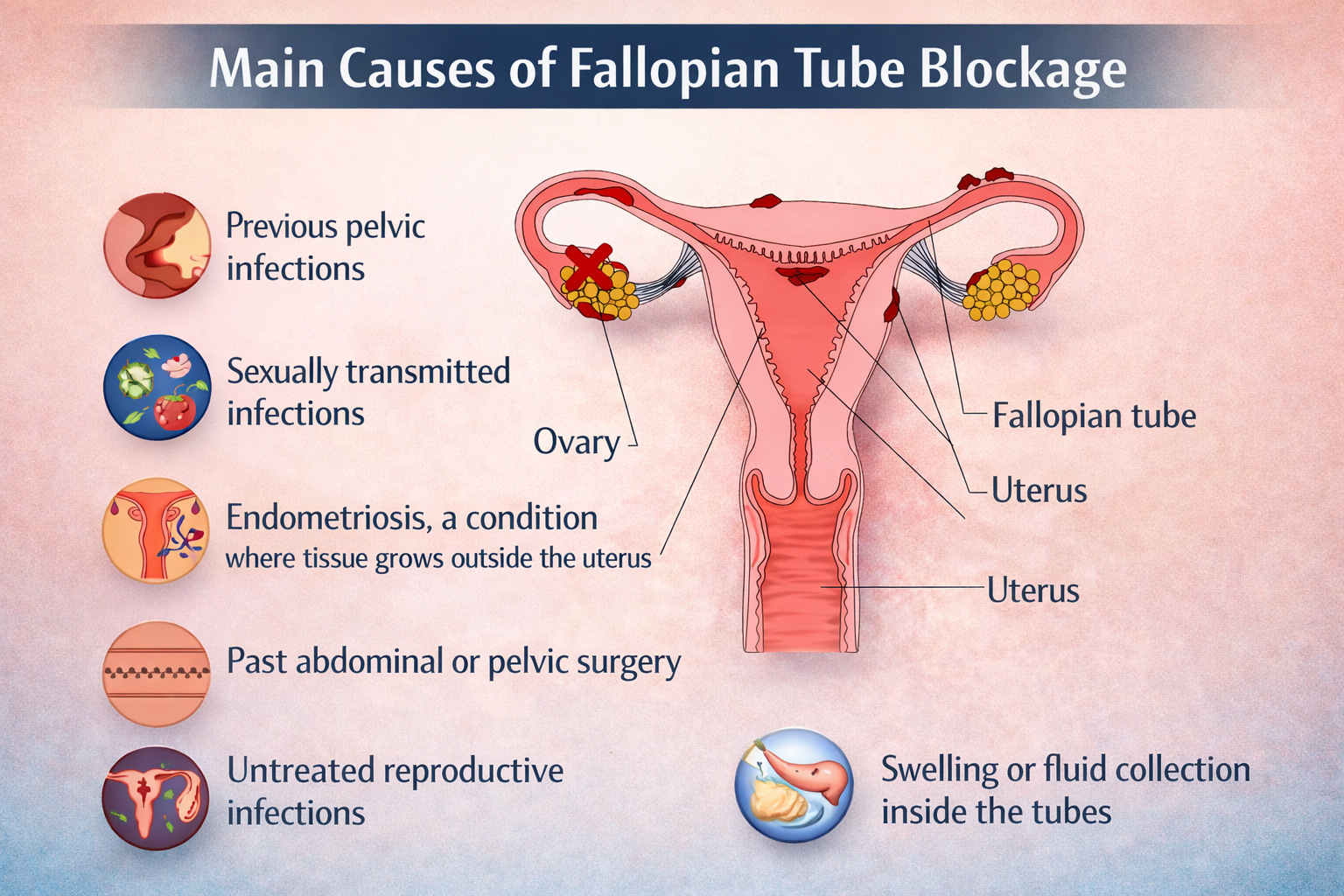
Main Causes of Fallopian Tube Blockage
Knowing the causes of blocked fallopian tubes is important because it helps women understand why this condition may develop. In most cases, blockage happens when infection or inflammation affects the fallopian tubes.
Some common causes include:
- Previous pelvic infections
- Sexually transmitted infections
- Endometriosis, a condition where tissue grows outside the uterus
- Past abdominal or pelvic surgery
- Untreated reproductive infections
- Swelling or fluid collection inside the tubes
These conditions may lead to scar tissue formation inside the fallopian tubes. Slowly the tubes may become narrow or blocked, and the egg may not travel normally through them.
Early diagnosis and proper care may help manage the condition and protect reproductive health.
Ayurvedic Treatment for Blocked Fallopian Tubes
According to Ayurveda, reproductive health is closely related to the body’s balance and the smooth functioning of internal channels. When toxins build up or digestion is weak, the body may lose balance. This may also affect reproductive organs.
The ayurvedic treatment for blocked fallopian tubes focuses on body cleansing, better circulation, and strengthening the uterus and reproductive system. Herbal medicines, detox therapies, diet guidance, and lifestyle improvement are usually included.
At Jeena Sikho HiiMS, doctors first study the patient’s health condition carefully. They look at menstrual history, digestion, lifestyle habits, and overall body strength. After understanding these factors, a treatment plan is prepared that supports reproductive health in a natural and balanced way.
Ayurvedic Therapies Used for Treatment
Ayurveda uses some special therapies that help clean the body and support reproductive health. These therapies are usually done under trained medical supervision as part of treatment for blocked fallopian tubes.
One important therapy is Uttar Basti. In this therapy, medicated herbal oils or herbal liquids are gently introduced into the uterus through the vaginal route. This therapy may help clear adhesions, lower swelling, and keep the fallopian tubes healthy.
Panchakarma detox therapies are also used at times to clean toxins from the body naturally. These therapies may include:
- Virechana – helps clean the digestive system and remove toxins
- Basti – supports digestion and reproductive health
- Nasya – helps clear toxins and supports hormonal balance
- Abhyanga – herbal oil massage that improves blood circulation
- Swedana – steam therapy that helps remove toxins through sweat
These therapies are chosen carefully according to the patient’s body condition.
Herbal Support and Natural Care
For many years, Ayurvedic herbs have been helping women’s reproductive health. These herbs may lower inflammation, improve hormonal balance, and make reproductive organs stronger.
Some commonly used herbs include:
- Shatavari – supports the uterus and helps regulate menstrual cycles
- Ashoka – helps reduce inflammation and supports reproductive health
- Guduchi (Giloy) – supports immunity and helps remove toxins
- Guggulu – helps reduce scar tissue and internal blockage
- Triphala – supports digestion and detoxification
Many women today look for natural ways to unblock fallopian tubes because they prefer treatments that support the body naturally.
At Jeena Sikho HiiMS, herbal support is often combined with detox therapies and diet guidance so that the body gradually regains balance.
Lifestyle Habits That Support Reproductive Health
Along with treatment, daily habits also play an important role in maintaining reproductive health. Small lifestyle changes may support the body and help improve overall wellbeing.
Some useful habits include:
- Eat fresh and balanced meals every day.
- Include green vegetables and foods rich in iron in your diet.
- Drink enough water throughout the day.
- Try to avoid oily and processed foods.
- Do some regular exercise or light physical activity.
- Manage stress and get proper sleep every night.
Yoga is also helpful for women dealing with fertility problems. Certain yoga exercises may help improve blood flow in the pelvic area.
Doctors at Jeena Sikho HiiMS often guide patients about these lifestyle changes as part of a holistic approach toward the best treatment for blocked fallopian tubes.
Conclusion
Blocked fallopian tubes may affect a woman’s ability to conceive, but understanding the symptoms of blocked fallopian tubes can help women take the right steps early. Often the symptoms are mild, like a little pelvic discomfort or irregular periods. Sometimes, the main sign is trouble getting pregnant even after trying for many months.
Learning about blocked fallopian tubes symptoms, possible causes, and available treatment options helps women become more aware of their reproductive health. Early medical consultation can help identify the condition and guide the right treatment.
Ayurvedic care focuses on detoxifying the body, improving digestion, and strengthening reproductive organs naturally. When herbal medicines, detox therapies, and healthy lifestyle habits are followed together, the body may gradually regain balance.
If any symptoms of blocked fallopian tubes appear, consult experienced doctors soon. At Jeena Sikho HiiMS, women can get full Ayurvedic care to support natural fertility.

FAQs
1. What are the Symptoms of Blocked Fallopian Tubes?
Common signs are pelvic pain, irregular periods, and difficulty in becoming pregnant.
2. What are the causes of blocked fallopian tubes?
Pelvic infections, endometriosis, previous surgery, and inflammation may cause blockage.
3. Can blocked fallopian tubes affect pregnancy?
Yes, blockage may stop the egg and sperm from meeting, which may affect fertility.
4. What is the best treatment for blocked fallopian tubes?
Treatment may include Ayurvedic therapies, herbal support, and lifestyle changes.
5. Are there natural ways to unblock fallopian tubes?
Healthy diet, detox therapies, yoga, and herbal remedies may support reproductive health.

Disclaimer: The information provided on this blog is for general educational and informational purposes only. It is not intended to replace professional medical advice, diagnosis, or treatment. Always consult a qualified healthcare professional before making any changes to your diet, lifestyle, or treatment plan. Individual results may vary.