

Daily routines have changed faster in today’s time than our understanding of how they affect the body, and the heart generally carries the burden of these changes without clear warning signs. Many people nowadays spend long hours sitting in one place, eating food in a hurry, and sleeping at irregular times, which gradually influences circulation and energy levels.
Over time, these small changes may create deeper imbalances that disturb the body’s natural rhythm and put extra stress on the heart. When people finally begin searching for heart disease guidance or reliable heart disease treatment, they often realise that the causes have been developing quietly for years. Understanding those causes becomes more useful than hurrying only toward quick chemical based solutions, because prevention always begins with awareness. And ancient Ayurvedic knowledge explains the heart in connection with digestion, emotions, and daily discipline, which gives a broader way to view health.
In this blog, you will understand the everyday causes behind heart disease and how they develop.
Table of Contents
Understanding the Heart Disease from an Ayurvedic Point of View
According to Ayurveda the heart works as a centre for circulation and emotional balance keeping physical and mental health closely connected. When digestion becomes weak and blood quality shifts the body moves blood less efficiently and slowly forms a base for problems like heart blockage.
This understanding explains why many people who search for a heart hospital later discover that imbalances began years earlier through daily habits rather than sudden events.
How Heart Disease Begins in the Body According to Ayurveda
Weak Digestion and Toxin Formation
Ayurveda explains that when digestion slows down, the body fails to clear waste on time. That waste does not simply disappear; it lingers, blends with the blood, and quietly disturbs normal circulation. If a person ignores this pattern for years, the disturbed flow can gradually contribute to the development of heart disease. Many people who later look for a heart specialist near Chandigarh or elsewhere often relate their problems back to long-term digestive neglect.
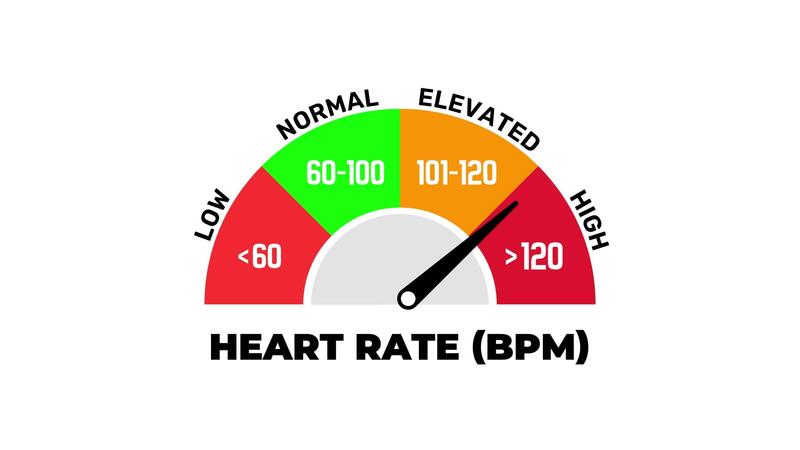
Dosha Imbalance and Its Effect on the Heart
An imbalance of body energies also affects heart health. Disturbed Vata may lead to irregular rhythm, excess Pitta can create internal heat, and increased Kapha may slow circulation and contribute to heart blockage. When these factors combine, they influence overall cardiac strength and may require guided heart disease treatment at the right time.
Dietary Causes That May Lead to Heart Problems
Heavy, Oily, and Processed Food Habits
Regular intake of deep-fried and packaged foods makes circulation heavier and slower, which gradually affects blood quality. Such habits generally push people to search online for heart disease treatment near me once the problem appears.
Irregular Eating Patterns
Late dinners, overeating, and eating without hunger disturb metabolism and weaken digestion. Over time, these patterns influence energy flow and may lead to a heart disease risk that develops quietly through daily routine.
Excess Salt, Sugar, and Stimulants
When daily food contains too much salt and sugar, the balance of blood pressure starts getting disturbed and the heart has to work harder than usual to keep the flow steady. If a person continues these eating habits for many years without making any change, the natural strength of the heart begins to weaken little by little and, with time, proper monitoring and guidance from a trusted heart hospital may become necessary.
Lifestyle Habits That Gradually Weaken the Heart
Sedentary Routine and Lack of Movement
When the body does not move much during the day, blood flow becomes slower and weight often starts increasing, and both of these changes quietly affect the health of the heart over time. Many people understand this link only after discomfort begins and they start searching for proper heart disease treatment.
Disturbed Sleep and Daily Routine
Irregular sleep patterns and constant screen exposure disturb natural body rhythm and increase stress levels. Such patterns can affect heartbeat and may eventually lead someone to consult a heart specialist near chandigarh or a nearby city.
Suppressing Natural Body Urges
Ayurveda explains that ignoring natural urges creates internal pressure and disturbs the nervous system. This constant pressure can influence circulation and may contribute to heart blockage over time.
Emotional and Mental Factors Behind Heart Disease
Long-Term Stress and Anxiety
Continuous stress keeps the nervous system active and affects heartbeat and blood pressure. People living under constant pressure often begin searching for heart disease near me when discomfort becomes frequent.
Anger, Fear, and Emotional Imbalance
Strong emotions influence heart rhythm and circulation. When emotional health remains disturbed for years, it affects physical balance and may increase the need for proper heart attack treatment during sudden episodes.
When to Consider Professional Support
Changes in daily habits help the heart stay healthy, but some situations still need proper medical care. Continuous discomfort, tiredness, or breathlessness should not be ignored. At such times, supervised heart disease treatment helps in understanding the condition properly. Visiting a reliable heart hospital ensures timely evaluation and structured care, especially when symptoms continue despite lifestyle improvements.
A Supportive Approach to Heart Care at Jeena Sikho HiiMS
Jeena Sikho HiiMS focuses on understanding root causes rather than only surface symptoms. The care approach includes observation, personalised planning, and gentle natural guidance where required.
Patients who are searching for heart disease near me often value an environment that combines traditional insight with disciplined routine support. A calm and supervised setting helps individuals rebuild confidence in their heart health while following steady lifestyle adjustments.
Conclusion
Everyday habits influence the body far more than people realise, and the development of heart disease often reflects years of routine imbalance rather than sudden change. Paying attention to digestion, emotional health, sleep, and food choices helps maintain steady circulation and energy.
Awareness of these causes encourages timely care and prevents complications that may later require extensive support. Choosing balanced living and professional observation when necessary keeps the heart stable and strong.
If you wish to understand your condition better or explore safe guidance for recovery, connect with our team today.

FAQs
What are the early signs that may indicate a heart-related imbalance?
Mild breathlessness, unusual fatigue, and chest heaviness during routine activity often require attention and observation.
Can lifestyle habits influence heart health over time?
Daily eating patterns, sleep quality, and stress levels shape circulation and gradually affect cardiac strength.
Why is digestion linked with heart wellness in Ayurveda?
Balanced digestion supports clean blood flow, while weak digestion may create internal buildup that affects circulation.
When should someone seek professional heart guidance?
Persistent discomfort, irregular heartbeat, or repeated fatigue calls for timely evaluation and structured care.
How can routine changes support long-term heart strength?
Consistent sleep, mindful eating, and stress control help maintain steady energy and balanced circulation.
Ayurvedic Heart Care Products
100% natural, certified Ayurvedic formulations crafted for targeted heart wellness.



Disclaimer: The information provided on this blog is for general educational and informational purposes only. It is not intended to replace professional medical advice, diagnosis, or treatment. Always consult a qualified healthcare professional before making any changes to your diet, lifestyle, or treatment plan. Individual results may vary.