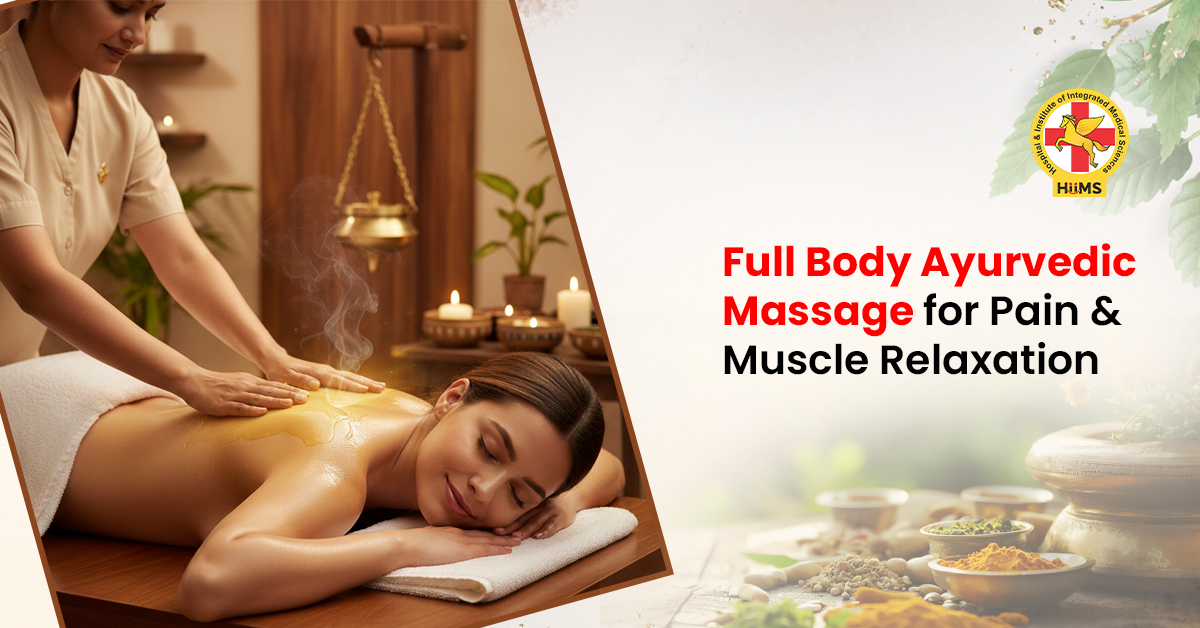

Pain in muscles and joints is common today. Long sitting hours, stress, travel, poor posture, and irregular routine slowly affect the body. Some people wake up with stiffness. Others feel heaviness in the back or shoulders by evening. Medicines may give temporary comfort, but the tightness often returns. In such cases, Full Body Ayurvedic Massage is considered a supportive and structured therapy. It focuses not only on the painful area but on the entire body. This is important because muscles, nerves, and circulation are all connected.
In Ayurveda, massage is not just rubbing oil. It is a planned therapy using medicated oils selected according to body type and condition. The strokes follow a sequence. Pressure is adjusted carefully. The goal is pain relief, muscle relaxation, better circulation, and calmness of the nervous system. Many people search for the Best ayurvedic massage in India when they want long-term comfort rather than short relief.
What is Full Body Ayurvedic Massage?
Full Body Ayurvedic Massage Therapy is an oil-based therapy done from head to toe. The oil is selected after checking body type and condition. It is warmed slightly. Then it is applied using systematic hand movements.
This form of Ayurvedic body massage treatment works on muscles, joints, nerves, and skin together. It is also used as part of Panchakarma massage therapy when detox support is required.
A proper Full body oil massage in Ayurveda follows a sequence. First oil application. Then rhythmic strokes. Extra attention is given to painful areas. Nothing is rushed. When done repeatedly, the body responds better.
Abhyanga Body Massage and Its Benefits
Abhyanga is one of the most common forms of Full Body Ayurvedic Massage. It is systematic. The same order is followed each time so the whole body gets equal care.
Oil nourishes tissues. Gentle pressure helps muscles loosen. The process is simple but effective when done regularly.
People who take repeated Abhyanga sessions often notice:
- Reduced muscle soreness
- Better blood circulation
- Less dryness in skin and joints
- Improved sleep pattern
- Lightness in the body
It does not give instant dramatic change. It works gradually. That is why many people choose it for long-term benefit instead of quick comfort.
Parishesh Therapy for Muscle and Joint Support
Parishesh therapy uses a steady stream of warm medicated oil poured over the body. Along with this, slow and continuous strokes are given.
This therapy is often advised when stiffness is deep or long-standing. The warmth helps tissues relax slowly. Circulation improves in that area. If you take sessions regularly, you may notice your body moving more freely.
It is commonly used in:
- Chronic back stiffness
- Shoulder tightness
- Mild joint discomfort
- Nerve-related fatigue
Relief builds over time. It is better to complete the suggested number of sessions.
Potli Massage
Potli massage involves herbal bundles that are heated and applied over the body after oil massage.
These bundles contain selected herbs known for supporting circulation and reducing stiffness. The warmth reaches deeper tissues.
Benefits may include:
- Helps ease pain in one specific area.
- Makes joints move more comfortably.
- Supports better strength of tissues.
- Reduces slight swelling.
It is often taken when the body feels tight, and movement is restricted.
How Full Body Ayurvedic Massage Helps
- Muscle Relaxation
Warm oil reduces dryness in tissues. Muscles feel softer after therapy. - Improved Circulation
Massage strokes improve blood flow. Better circulation supports healing. - Joint Support
Oil nourishes joints and may reduce mild stiffness. - Stress Reduction
Slow and steady strokes help relax the nervous system. As a result, sleep can become better. - Detox Support
When used under Panchakarma massage therapy, it supports toxin removal along with internal treatment.
It is important to understand that this therapy supports the body. It is not a replacement for emergency care.
Holistic Massage Care at Jeena Sikho HiiMS
At Jeena Sikho HiiMS, massage therapies are provided under medical guidance. Doctors first check the patient’s condition. Past pain records, digestive health, body constitution, and overall physical strength are carefully evaluated.
Based on this, suitable Full Body Ayurvedic Massage is advised. They choose the oil properly, fix the session time, and then decide how the therapy will be done. Hygiene and proper technique are maintained.
The hospital offers structured Ayurvedic care. Along with massage, diet advice or additional therapies may be suggested if needed.
Many patients looking for the Best ayurvedic massage in India prefer a supervised setting rather than unverified centers. At Jeena Sikho HiiMS, therapies are provided in a disciplined and patient-focused manner.
The focus is to lessen pain, improve movement, and help the body heal on its own.
Conclusion
Muscle pain and stiffness may look small in the beginning. But if ignored, they disturb daily comfort. A properly guided Full Body Ayurvedic Massage can support muscle relaxation, improve circulation, and ease joint tightness. Therapies like Abhyanga, Parishesh, and Potli are structured Ayurvedic methods designed for gradual improvement.
Results depend on regular sessions and correct technique. It is always better to take Ayurvedic body massage treatment under trained supervision. When combined with a balanced diet and routine care, the effect becomes more stable.
At Jeena Sikho HiiMS, Ayurvedic therapies are provided under medical supervision and proper professional care. The aim is to keep treatment safe and comfortable, and to support long-term health instead of giving only temporary comfort.

FAQs
1. Is Full Body Ayurvedic Massage painful?
It is usually gentle and relaxing when performed correctly.
2. How many sessions are needed?
The total sessions vary according to the intensity of pain and individual response.
3. Can it help chronic stiffness?
If you continue the sessions, you may feel your body becoming more flexible and less tight.
4. Is it part of Panchakarma?
Yes, doctors can add it to a Panchakarma massage therapy plan if needed.
5. Who should avoid it?
Individuals with fever, active infections, or underlying medical conditions should seek medical advice prior to therapy.
Disclaimer: The information provided on this blog is for general educational and informational purposes only. It is not intended to replace professional medical advice, diagnosis, or treatment. Always consult a qualified healthcare professional before making any changes to your diet, lifestyle, or treatment plan. Individual results may vary.