
When it comes to heart health, small warning signs are often easy to ignore. A strange heaviness in the chest, breathlessness that feels new, and fatigue that doesn’t quite make sense. Most people don’t think of heart problems right away. But conditions like coronary artery disease, heart rhythm disturbances, or even a heart attack usually start quietly.
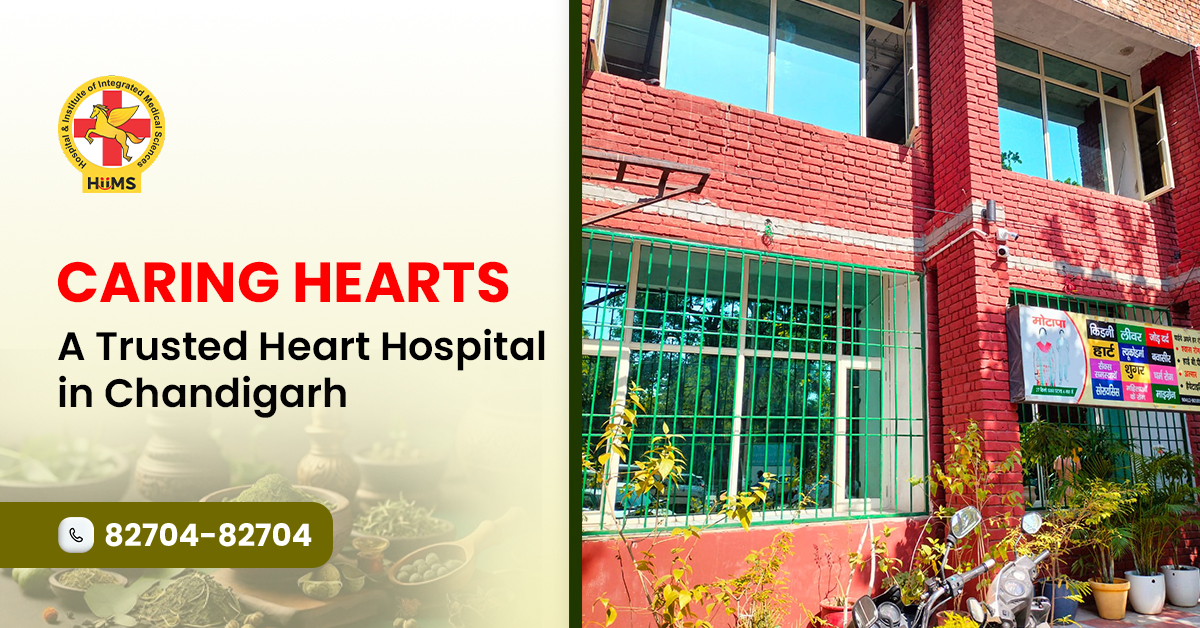
These days, heart disease isn’t limited to the elderly. Today, even younger age groups are showing signs of cardiovascular strain. Stress, sedentary routines, smoking, rising blood pressure, obesity, and poor dietary habits all play a role. Over the years, modern facilities and growing expertise have made Chandigarh a preferred destination for cardiac care in northern India. Patients from nearby states frequently travel here for advanced diagnosis, treatment, and long-term heart care.
This blog aims to guide readers on how heart disease is managed through a steady, long-term approach. It explains why the right heart hospital matters, how treatment goes beyond emergency care, and how lifestyle correction supports recovery.
Why Choosing the Right Heart Hospital Matters
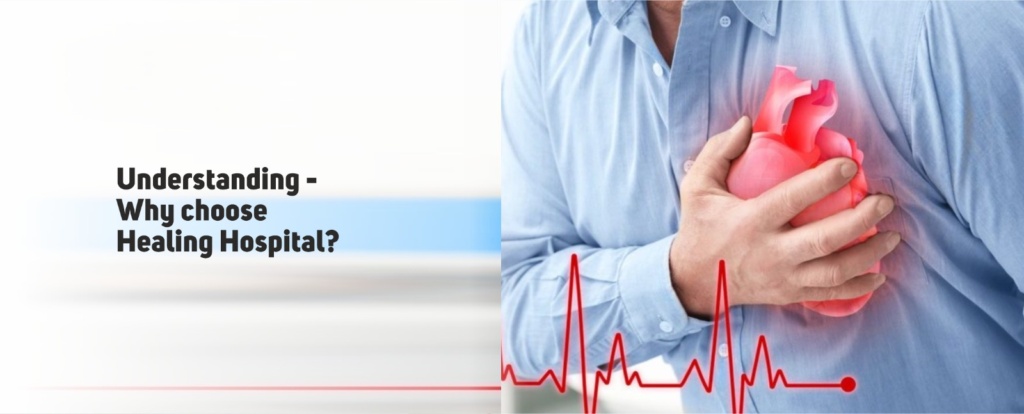
Heart care isn’t just about machines and medicines. It’s about timing, accuracy, and a plan that actually fits a person’s life. A reliable heart hospital looks at more than test reports. It focuses on early detection of heart disease, structured guidance for heart disease treatment, recovery support after cardiac events, and long-term heart health planning. Heart disease doesn’t always look dramatic. For many people, it builds slowly and may begin with small signs that are easy to ignore.
Common early signals include:
- High blood pressure
- Unusual fatigue
- Chest discomfort
- Irregular heartbeat
- Breathlessness
- Poor sleep
When care is rushed or fragmented, important warning signs can get missed. That’s why people today are looking for hospitals that combine medical expertise with a more holistic, patient-centered approach. This is also why early consultation with a heart specialist matters. The earlier heart disease is identified, the more options people usually have to manage it gently and effectively.
Role of a Heart Specialist in Long-Term Care
A heart specialist doesn’t just treat disease. They help prevent it from coming back. The right specialist looks beyond reports and scans. They ask about daily routine, stress levels, sleep quality, eating habits, physical activity, and family history.
This broader understanding allows for more personalized treatment and prevention planning. At Jeena Sikho HiiMS, heart specialists work closely with Ayurvedic doctors, yoga experts, and diet counselors. This team-based model helps create a balanced care plan instead of a one-size-fits-all solution.
Ayurvedic Support for Heart Health
Ayurveda looks at heart problems in a natural and balanced way. Instead of focusing only on symptoms, it pays attention to digestion, stress levels, circulation, and daily habits.
Holistic heart treatment in Ayurveda is planned gradually, with emphasis on long-term heart health and internal balance. Treatment is never the same for everyone. It is usually planned after evaluating body type, digestion, routine, and emotional stress.
Some commonly used herbs in Ayurvedic heart care include Arjuna, traditionally used to support cardiac strength and circulation; Guggul, often chosen to help manage cholesterol levels; Ashwagandha, used for stress regulation; and Triphala, known for digestion and detox support.
These herbs are not used randomly. They are selected carefully, depending on a person’s condition and tolerance.
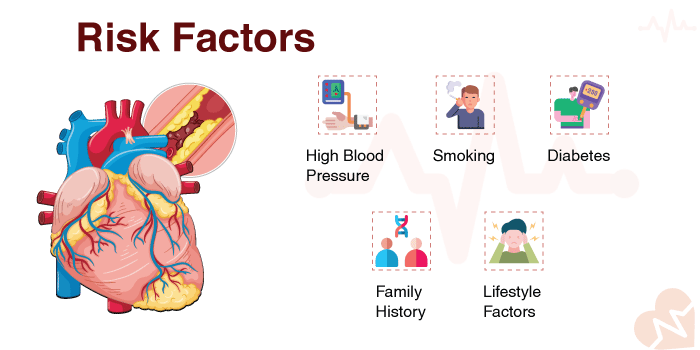
Other Risk Factors
Best Cardiology Center for Natural Heart Wellness
Jeena Sikho HiiMS is also known as a cardiology center that follows an integrated model of heart care. Here, medical evaluation is supported with Ayurvedic therapies and lifestyle guidance.
Therapies like Hridaya Basti and Panchakarma are used only under professional supervision and only when they suit a patient’s condition.
- In Hridaya Basti, warm herbal oil is kept over the chest inside a small ring of dough. The heat helps loosen stiffness in the chest area and supports blood flow. Many patients say they feel calm and relaxed once the session is done.
- Panchakarma is a deeper cleansing process that works on removing toxins stored in the body for a long time. It helps lower internal pressure on the heart and leaves the body feeling lighter. The therapies may include Vamana, Virechana, Basti, Nasya, and Raktamokshana, depending on personal needs.
These treatments aren’t rushed at all. They’re planned gradually and combined with diet correction, yoga, and stress management.
Who Should Consider a Heart Hospital Consultation?
You may consider visiting a heart hospital if you have chest discomfort or breathlessness, feel unexplained fatigue, have high blood pressure or diabetes, have a family history of heart disease, are recovering from a heart attack, or want preventive heart care. Early consultation often makes heart disease treatment simpler and more effective.
Conclusion
Choosing the right heart hospital can make a real difference in how heart disease is managed and prevented. From early diagnosis to long-term recovery, a balanced approach that combines medical care with lifestyle guidance often supports steadier outcomes.
Heart hospitals in Chandigarh, like Jeena Sikho HiiMS, follow an integrated care model that looks beyond symptoms and focuses on long-term heart balance. To explore whether this approach may fit your needs, connect at +91 82704 82704 or care@jeenasikho.com.

FAQs
1. What services does a heart hospital in Chandigarh offer?
A heart hospital usually offers diagnosis, heart disease treatment, heart attack treatment, and long-term heart care.
2. When should I see a heart specialist?
If you have chest pain, breathlessness, ongoing fatigue, or a family history of heart disease, it’s wise to consult early.
3. What is integrated heart care?
It’s a mix of medical care, lifestyle correction, diet guidance, yoga, and some supportive therapies.
4. Can heart disease be managed without surgery?
Often, early-stage heart disease doesn’t need surgery and can be managed with medicines and healthier habits.
5. Does preventive heart care actually make a difference?
It helps notice warning signs early and supports better heart health later.
Disclaimer: The information provided on this blog is for general educational and informational purposes only. It is not intended to replace professional medical advice, diagnosis, or treatment. Always consult a qualified healthcare professional before making any changes to your diet, lifestyle, or treatment plan. Individual results may vary.