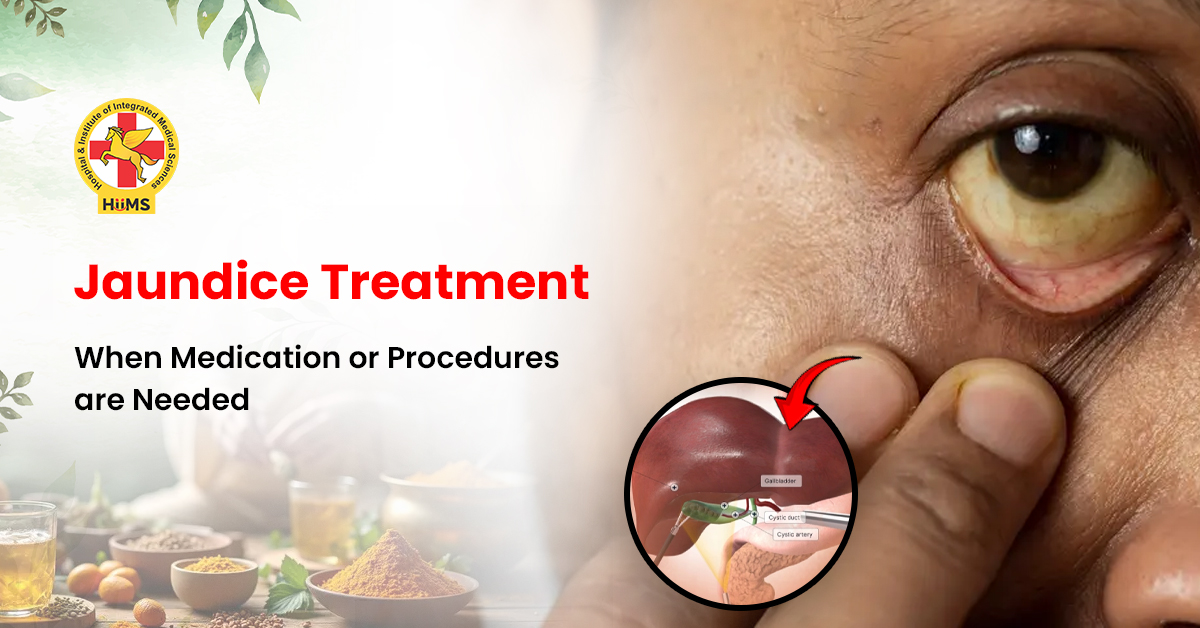

Jaundice is usually easy to notice because the skin and the whites of the eyes turn yellow. It occurs when excessive bilirubin accumulates in the blood. Normally, the liver clears bilirubin without any trouble. However, when the liver struggles, bilirubin starts to build up in the body, leading to the yellow discoloration.
Many factors result in jaundice, such as liver infections, gallstones, blood disorders, or alcohol-related problems. But there’s another cause people often don’t expect, which is Medicines.
Certain drugs that are meant to help you can sometimes harm the liver. When that happens, jaundice may appear along with other symptoms. That’s when proper jaundice disease treatment becomes important.
Therefore, understanding drug-related liver damage helps people make safer choices. It also helps them know when to stop guessing and see a doctor. This blog aims to explain how certain medicines can harm the liver and why early awareness is very important.
How Medicines Can Harm the Liver
Your liver never stops working. One of its main jobs is breaking down medicines so the body can use them or remove them. Most of the time, it manages this without trouble.
But some drugs can be harsh when taken in high doses or for a long time. The liver becomes overwhelmed, leading to what is called drug-induced liver injury, sometimes known as toxic hepatitis.
When the liver is damaged, it cannot process bilirubin, which comes from the normal breakdown of red blood cells. If it isn’t cleared, it slowly builds up in the body, causing jaundice.
That’s where careful treatment begins—by understanding that causes of jaundice in adults often include reviewing medications.
Common Drugs That May Cause Liver Damage
Not every medicine hurts the liver, but some are riskier than others, especially if misused. These are:
Painkillers and fever medicines
Drugs containing acetaminophen are a major cause of liver injury when taken above the safe dose. Many people don’t realise how easy it is to overdose.
NSAIDs
Medicines like ibuprofen, diclofenac, and naproxen can irritate the liver if used too often or without guidance.
Antibiotics
Certain antibiotics, such as amoxicillin-clavulanate or erythromycin, have been linked to liver inflammation in some people.
Statins
Used for cholesterol. Mostly safe. But in rare cases, they raise liver enzymes and stress the liver.
Anti-seizure medicines
Some epilepsy drugs can be tough on the liver, depending on the person.
Steroids and hormone medicines
These can injure liver cells, especially when used without supervision.
Using multiple medicines together increases the risk of jaundice or worsens existing liver problems, explaining clearly what causes jaundice in many patients.
Signs to Watch For
Liver trouble doesn’t always announce itself loudly. Sometimes it whispers.
- Yellow skin or eyes
- Dark urine
- Pale stools
- Constant tiredness
- Pain in the upper abdomen
- Nausea or loss of appetite
These signs should not be ignored. They often mean the liver is under stress. Early action makes jaundice treatment much easier.
What Causes Jaundice in Adults?
Medicines are only one piece of the puzzle. Other causes of jaundice in adults include:
- Viral hepatitis
- Long-term alcohol use
- Blocked bile ducts due to gallstones or tumors
- Excessive breakdown of blood cells
- Toxic reactions from drugs or supplements
Doctors look at all these possibilities before deciding on treatment. Guesswork doesn’t help here.
Diagnosing Drug-Induced Jaundice
When you visit a doctor with jaundice, they usually follow a step-by-step approach:
- Medical history: Which medicines have you taken recently?
- Physical examination: Checking for yellowing and liver enlargement.
- Blood tests: Liver function tests show how well your liver is working.
- Imaging: Ultrasound or CT scan to check for blockages or liver abnormalities.
Sometimes, stopping the offending drug is enough. But in serious cases, further jaundice treatment may be needed.
Understanding Jaundice Treatment
There is no one-size-fits-all solution; understanding the causes of jaundice in adults is essential for choosing the right treatment.
Stopping the harmful medicine
This is the first step. Often the most important. Once the drug is stopped, the liver can begin to heal.
Monitoring the liver
Blood tests check bilirubin and liver enzymes. Slowly, values return to normal. Or not. That’s why monitoring matters.
Treating the real problem
If jaundice is caused by hepatitis, infections are treated. If bile ducts are blocked, procedures may be needed.
Lifestyle support
Simple things help more than people think. Nutritious food. No alcohol. Enough rest. The liver appreciates calm.
Conclusion
Jaundice caused by medicines is preventable if we stay alert. Not all drugs are harmful, but some can injure the liver over time. Watch for symptoms. Avoid self-medicating. Maintain regular health checks. And if jaundice appears, seek treatment promptly. Early intervention improves outcomes and protects your liver.
Medicine can heal, but it can also hurt if we’re not careful. Awareness is the first step to protecting your liver. Stay informed and don’t ignore the signs. And always consult a doctor for safe jaundice treatment.
FAQs
Q1. Can common painkillers cause jaundice?
Yes, high doses of acetaminophen can harm the liver in some people.
Q2. Is jaundice from medicine permanent?
Usually, it’s reversible if detected early, and the offending drug is stopped.
Q3. How is drug-induced jaundice diagnosed?
Through medical history, blood tests, and sometimes imaging.
Q4. Can herbal supplements cause jaundice?
Yes. Natural doesn’t always mean safe. Some herbs stress the liver.
Q5. What’s the first step in the treatment of jaundice?
Stop the medicine causing harm and follow your doctor’s guidance.
Disclaimer: The information provided on this blog is for general educational and informational purposes only. It is not intended to replace professional medical advice, diagnosis, or treatment. Always consult a qualified healthcare professional before making any changes to your diet, lifestyle, or treatment plan. Individual results may vary.