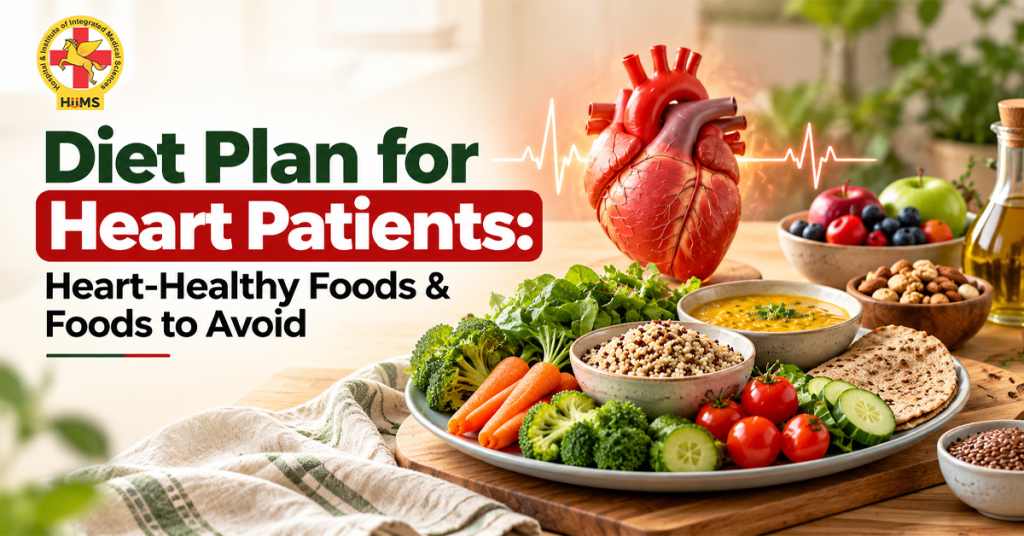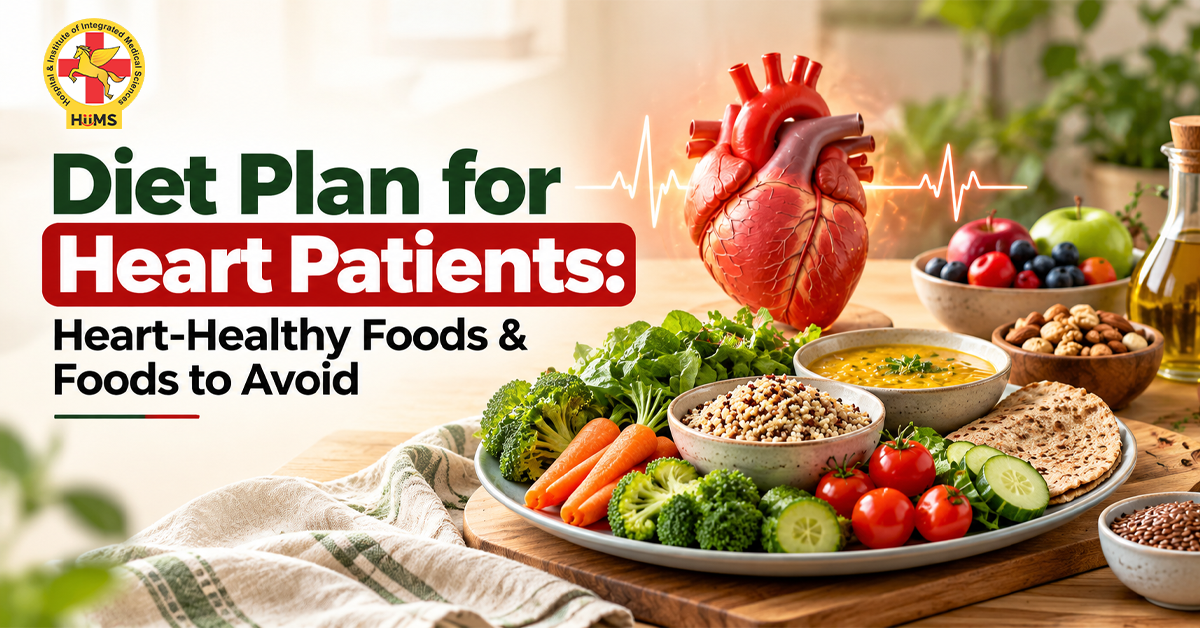

Food affects your heart every day. In fact, what you eat changes your blood pressure, cholesterol, and weight. So the right diet for heart health is one of the most useful steps you can take. Many people ask what to eat and what to skip. Therefore, this guide gives clear answers in simple words.
Heart disease is a major problem in India. A nationwide Lancet Global Health study found that cardiovascular disease caused over 2.1 million deaths in 2015. That was also more than a quarter of all deaths in the country. However, these figures cover India as a whole, not one city. Still, they show why daily food choices matter.
Table of Contents
Why Diet Matters for Heart Patients
Your heart works all day, every day. Food can ease its load or add to it. For example, salty food can raise blood pressure. Fried and sugary foods can also raise cholesterol and weight. Over time, these changes strain the heart and blood vessels.
A good diet for heart care does the opposite. It keeps blood pressure steady and cholesterol in check. It also helps you reach a healthy weight.
Did you know? The same study found that about 68% of cardiovascular deaths at ages 30 to 69 came from ischemic heart disease. In other words, poor blood flow to the heart caused them.
Best Diet for Heart Disease: What Research Shows
Researchers have tested many diets. For example, one strong study is CORDIOPREV, published in The Lancet in 2022. It followed 1,002 people with coronary heart disease for seven years. Half ate a Mediterranean diet, while the other half ate a low-fat diet.
Overall, the Mediterranean group had fewer major heart and blood vessel events. The rates were 28.1 and 37.7 per 1,000 person-years. This diet is rich in vegetables, fruits, pulses, nuts, whole grains, and healthy oils.
However, the study has limits. It was conducted at a single centre in Spain. In addition, people with severe heart failure were not included. So diet works best alongside your doctor’s care.
The good news is that these ideas fit Indian meals well. For example, you can include dal, vegetables, millets, nuts, and fresh fruit in your meals.
Heart Healthy Foods List: What to Eat
Fill your plate with these foods on most days:
- Vegetables: Eat leafy greens, carrots, beetroot, gourds and tomatoes.
- Fruits: Choose apples, papaya, guava, pomegranate, and citrus fruits. Instead of juice, eat them whole.
- Whole grains and millets: Pick oats, brown rice, millets and whole wheat roti. They also keep you full for longer.
- Pulses: Moong, masoor, chana and rajma provide protein with little fat, making them suitable for daily meals.
- Nuts and seeds: A small handful of almonds, walnuts, flaxseeds, or chia seeds helps your heart. However keep portions small.
- Healthy oils: Use small amounts of cold-pressed oils, such as olive or mustard oil. Also, ask your doctor what suits you.
- Fish: If you eat non-vegetarian food, choose fish like salmon or sardines. Then bake or grill it.
- Curd and buttermilk: Choose low-fat options, because sugar adds extra calories.
- Garlic, turmeric and ginger: Therefore, add them to your daily cooking for flavour without extra salt.
Want a heart-healthy diet plan? Talk to our experts.
Foods to Avoid for Heart Patients
Some foods raise blood pressure, cholesterol, or weight. So cut down on these:
- Salty foods: Pickles, papad, namkeen, chips, and instant noodles hide a lot of salt. Limit it, because salt raises blood pressure.
- Deep-fried foods: Samosa, pakora, puri and fries add extra fat and calories.
- Vanaspati and trans fats: Many bakery items and packaged snacks use them. They also raise bad cholesterol.
- Red and processed meat: So limit sausages, bacon, and heavy meat curries, since they add saturated fat.
- Sugary drinks and sweets: Cold drinks, mithai and packaged juices spike blood sugar. As a result, they also add weight.
- Refined flour foods: White bread, biscuits and maida items offer little fibre, so they leave you hungry soon.
- Alcohol: Too much alcohol can raise blood pressure. It can also harm the heart.
However, you do not need to quit everything at once. Instead, start with one or two items. Then add more changes slowly.
Heart Patient Diet Chart: A Sample One-Day Plan
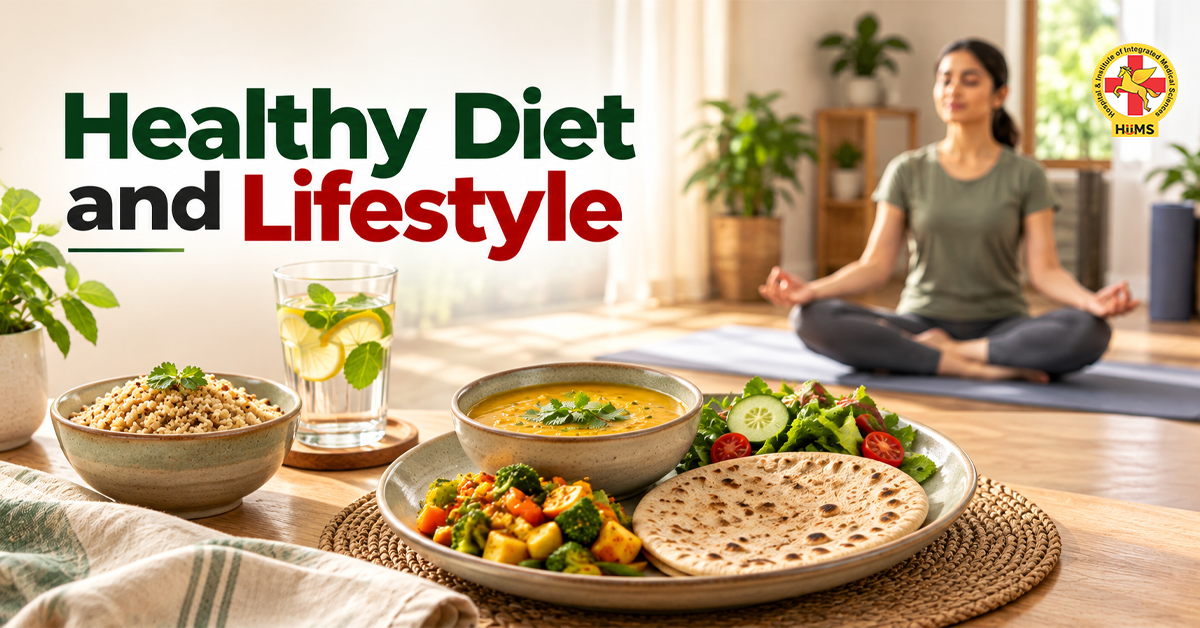
This heart healthy diet plan shows what a day of meals can look like. Also, adjust it to your taste and your doctor’s advice.
- Early morning: First, drink warm water and eat a few soaked almonds.
- Breakfast: Next, have vegetable oats or a moong dal chilla with a fruit.
- Mid-morning: Then, have a fresh fruit or a glass of buttermilk.
- Lunch: After that eat roti or brown rice with dal, vegetables and a salad.
- Evening snack: Later, have roasted chana or a small handful of nuts.
- Dinner: Finally, eat vegetable soup or vegetable khichdi, early and light.
This chart is a sample, not a prescription. However, people with heart failure, diabetes, or kidney disease need a personal plan.
Simple Cooking and Eating Habits
How you cook matters as much as what you cook. For example, steam, bake, grill, or pressure-cook your food instead of deep-frying. Also, use less salt and add flavour with herbs and spices.
Next, eat smaller portions and keep fixed meal times. Finally, read food labels. Check them against the foods to avoid for heart patients, and stick to the heart healthy foods list above. Together, these small steps build a lasting diet for heart health.
How Ayurveda Looks at Heart-Healthy Eating
Ayurveda sees food as daily medicine. It looks at your digestion, called Agni, along with your routine and the season. Weak digestion creates toxins called ‘ama’. As a result, these toxins can burden the body. So Ayurvedic care looks for the root cause, not just the symptoms.
Ayurveda also advises fresh, seasonal, home-cooked food at fixed times. It also suggests less oily, sweet, and processed food. Herbs can support this approach. However, every person is different. So take herbs only under a qualified Ayurvedic doctor.
Take the First Step – Call: 82704-82704
How Jeena Sikho HiiMS Supports Heart Care
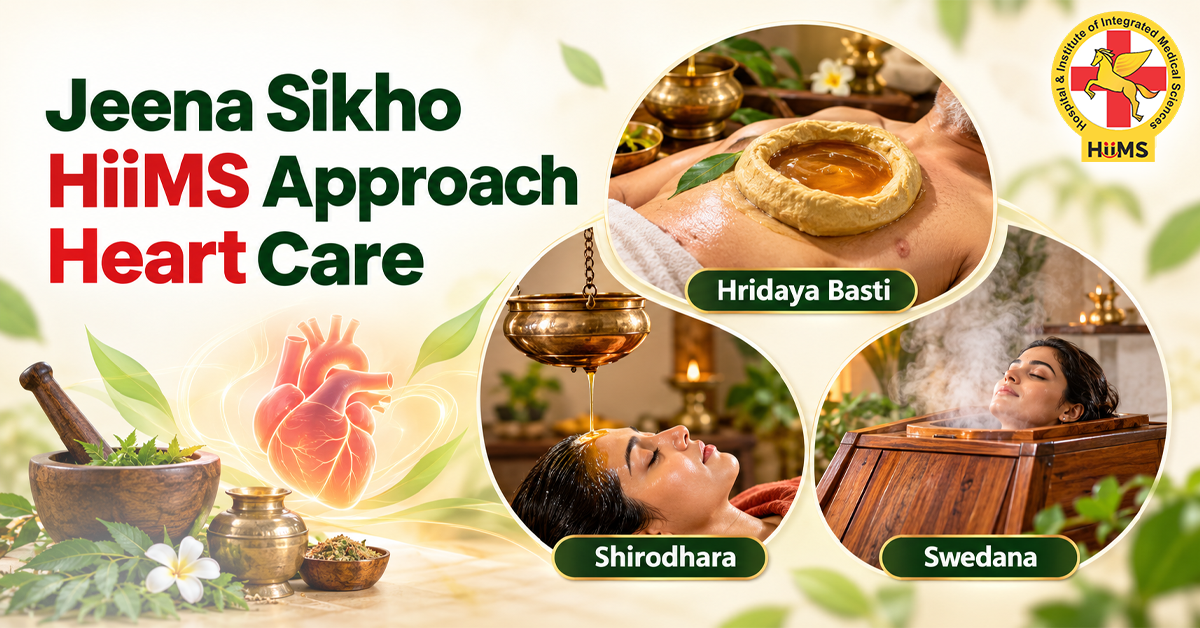
Jeena Sikho HiiMS is an integrated hospital. The hospital combines Ayurveda, naturopathy, and homeopathy with modern science. The heart care plan here focuses on a root-cause approach. First, a doctor studies your diet, routine, and reports, then the team builds a plan for you.
pH-balanced diet: This diet focuses on fresh, plant-based foods. It also limits processed, oily, and heavy foods. HiiMS designs the plan for each patient. So it works as a practical diet for heart care.
Hridaya Basti: In this therapy, warm herbal oil is retained on the chest for a short time. It aims to relax the area and also nourish heart tissues. Therefore, the doctor decides if it suits you.
Panchakarma: Panchakarma means five cleansing therapies. They also help the body clear built-up toxins. However, these therapies are selected by doctors only.
Herbal support: Doctors may suggest herbs like Arjuna, Guggulu, Amla or Ashwagandha. Garlic, turmeric, and ginger also help in daily cooking. So take them only under supervision.
Mind & Body Healing: Stress and poor sleep strain the heart. So HiiMS teaches yoga, breathing exercises and a steady daily routine.
Conclusion
A heart-friendly diet is simple. Eat more fresh, whole foods, and cut down on salt, fried food, and sugar. Small steps, kept over time, protect your heart. So start today, and a good diet for heart health will follow.

Ready to build a heart-healthy plan? Visit Jeena Sikho HiiMS for personal diet and heart care guidance. Book an in-person consultation, or choose a VOPD (video consultation) to consult an expert from home. Book VOPD
FAQs
What is the best diet for heart disease?
A diet rich in vegetables, fruits, whole grains, pulses and nuts works well. Also, cut down on salt, fried food and sugar.
Can heart patients eat ghee or eggs?
Small amounts may suit some people. However, saturated fat and cholesterol matter, so ask your doctor about your limit.
Which foods help lower cholesterol?
Oats, pulses, nuts, fruits and vegetables help. Also, avoid fried food and trans fats.
Can heart patients consult a doctor online through VOPD?
Yes, heart patients can consult an expert through Jeena Sikho HiiMS VOPD (video consultation) from home. During the consultation, doctors can discuss symptoms, review available reports, and provide personalised guidance on diet and heart care.
Can heart patients follow an Ayurvedic diet plan?
Yes, an Ayurvedic diet plan can support heart health by encouraging fresh, seasonal foods and balanced eating habits. However, it should complement treatment.
Disclaimer: The information provided on this blog is for general educational and informational purposes only. It should not be considered a substitute for guidance from a qualified healthcare professional. Always consult a qualified healthcare professional before making changes to your diet, lifestyle, or healthcare routine. Individual experiences may vary.