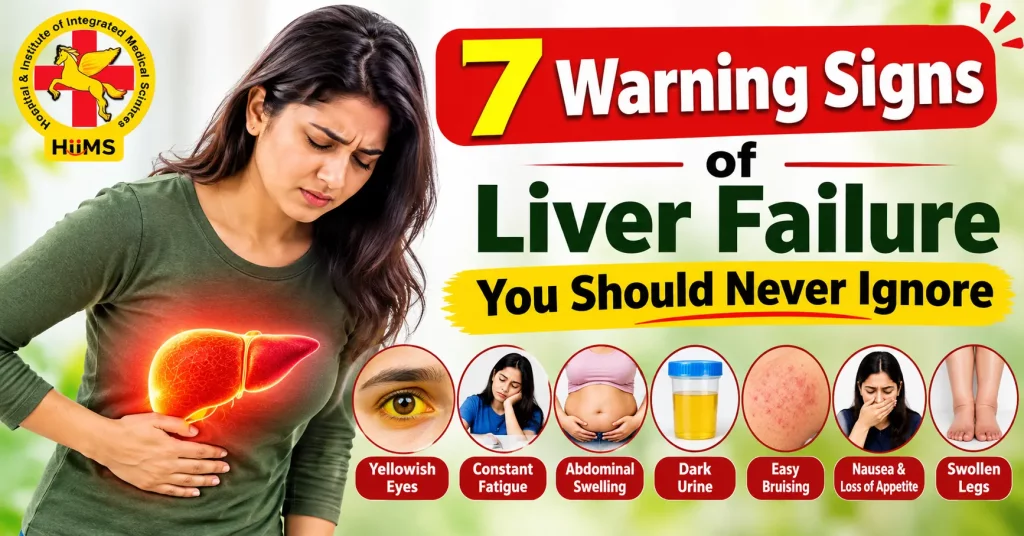

Have you ever blamed your tiredness on a long week? Most of us do. You skip a meal, feel low on energy the next morning, and tell yourself that some rest will automatically resolve it. However, when that tiredness stays, and your eyes start to look slightly yellow or your feet start to swell, the cause may lie deeper than a busy routine.
The liver in the body filters your blood, processes the food you eat, stores energy and makes proteins that help your blood clot. When it becomes damaged, every one of these functions suffers. Liver failure is a serious condition, and knowing its warning signs helps you reach a doctor on time. Many early signs of liver failure look like simple acidity or weakness, which is why people overlook them.
In this blog, you will read seven warning signs, the people at risk, how doctors confirm the problem, and how Ayurveda looks at liver health.
Noticing unusual changes in your health?
Book an Appointment with experienced doctors.
Table of Contents
Why Understanding Liver Failure is Important?
Liver failure means the liver can no longer perform its regular work. It may happen suddenly, which doctors call acute liver failure, or slowly after years of damage.
Heavy alcohol use, hepatitis infections, fatty liver disease and certain medicines are common causes. The liver also has very few pain nerves, so the symptoms of liver failure often stay quiet until the damage is advanced.
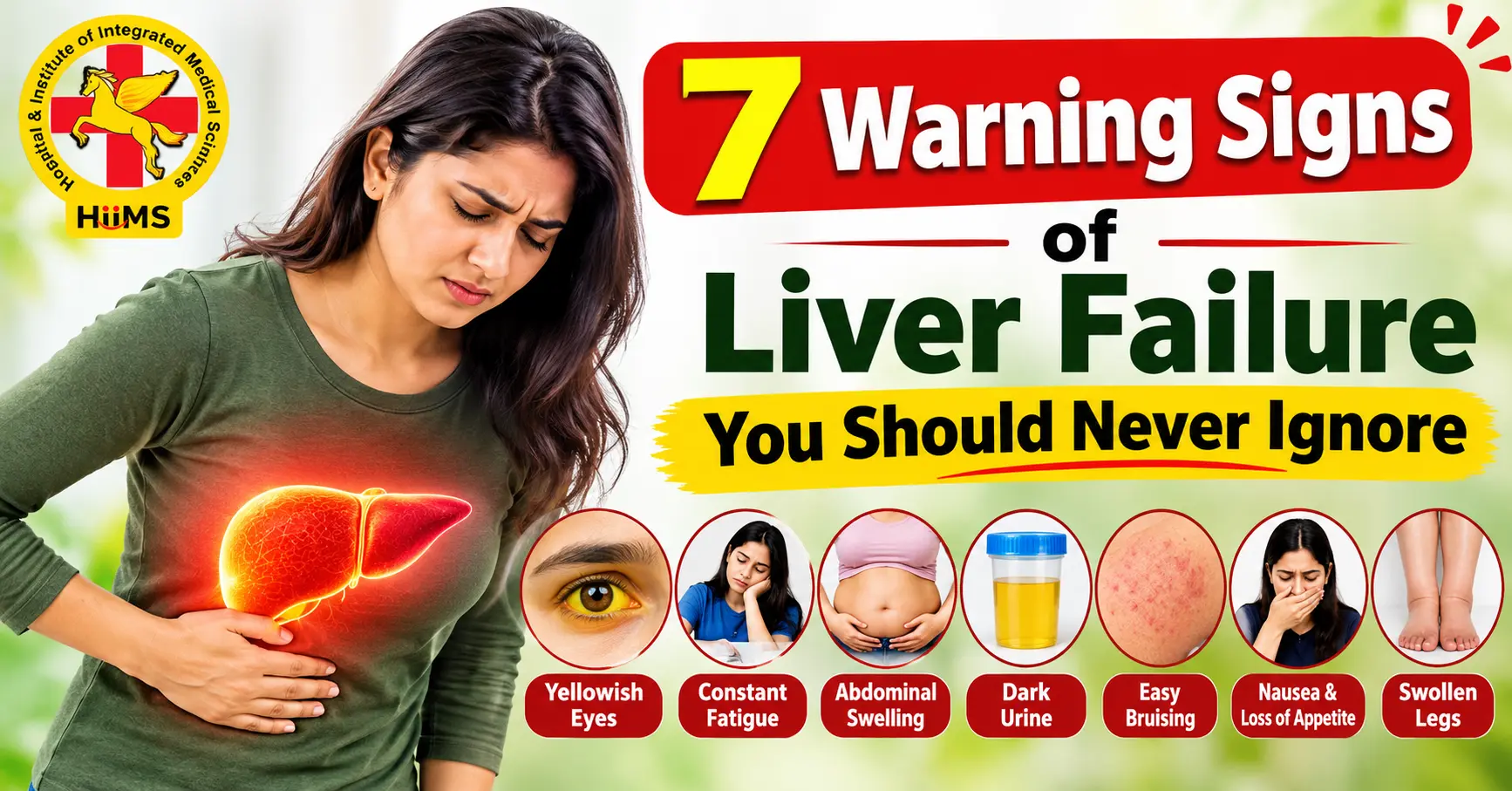
7 Warning Signs of Liver Failure You Should Never Ignore
Your body may show different changes when the liver is having problems. These signs do not confirm a diagnosis on their own, but persistent or unusual changes deserve a doctor’s attention. Here is how to identify liver failure warning signals in everyday life.
1. Constant Tiredness Even After Proper Rest
Eight hours of sleep, and you still wake up feeling like you ran a race overnight? Pay attention to that. A normally tired body recovers after rest. Yours doesn’t. The liver cleans your blood and stores energy for the body. When it weakens, even small tasks can leave you tired by evening.
2. Yellowing of the Eyes and Skin
Look closely at the whites of your eyes in the mirror. If they carry a yellow tint, you may be seeing jaundice. The liver fails to clear bilirubin, a yellow pigment left over from old red blood cells, so it collects in the blood and colours the eyes and skin. Many people also pass darker urine and paler stools around the same time.
3. Swelling Around the Stomach, Legs or Feet
Do your ankles look puffy, or does your stomach appear fuller than usual? Advanced liver disease causes an imbalance in fluid balance, so fluid may collect in the abdomen, a condition called ascites, or settle around the feet. Do not consider this as simple weight gain.
4. Bruises and Bleeding Without a Clear Reason
Do small bumps leave big bruises, or do your gums bleed while brushing? The liver makes proteins that help blood clot. When it weakens, the body makes fewer of them, and therefore bleeding takes longer to stop.
5. Poor Appetite, Nausea and Unexplained Weight Changes
Food may stop appealing to you, or you may feel full after a few bites. Nausea, vomiting and unplanned weight loss can follow. These early signs of liver failure often pass for acidity, so persistent ones deserve proper examination.
6. Persistent Itching Without a Visible Skin Problem
Does your skin itch even though it looks completely normal? The itching often grows stronger at night. When bile does not flow normally, certain substances build up in the body and may cause it, so discuss it with your doctor.
7. Confusion, Memory Problems or Unusual Behaviour
Forgetfulness, poor concentration, odd sleep patterns or sudden behaviour changes can signal hepatic encephalopathy. In this condition, harmful substances reach the brain because the liver cannot clear them. Sudden confusion or heavy drowsiness needs immediate medical care.
Talk to our Ayurvedic experts
Who Should Pay More Attention to Liver Health?
People with fatty liver disease, hepatitis B or C, diabetes, obesity, a family history of liver problems or a history of heavy drinking should stay extra alert. The same goes for anyone who takes medicines that can affect the liver.
If you fall in any of these groups, watch for the symptoms of liver failure and get a check-up every few months. When you know how to identify liver failure early, you get more time to act.
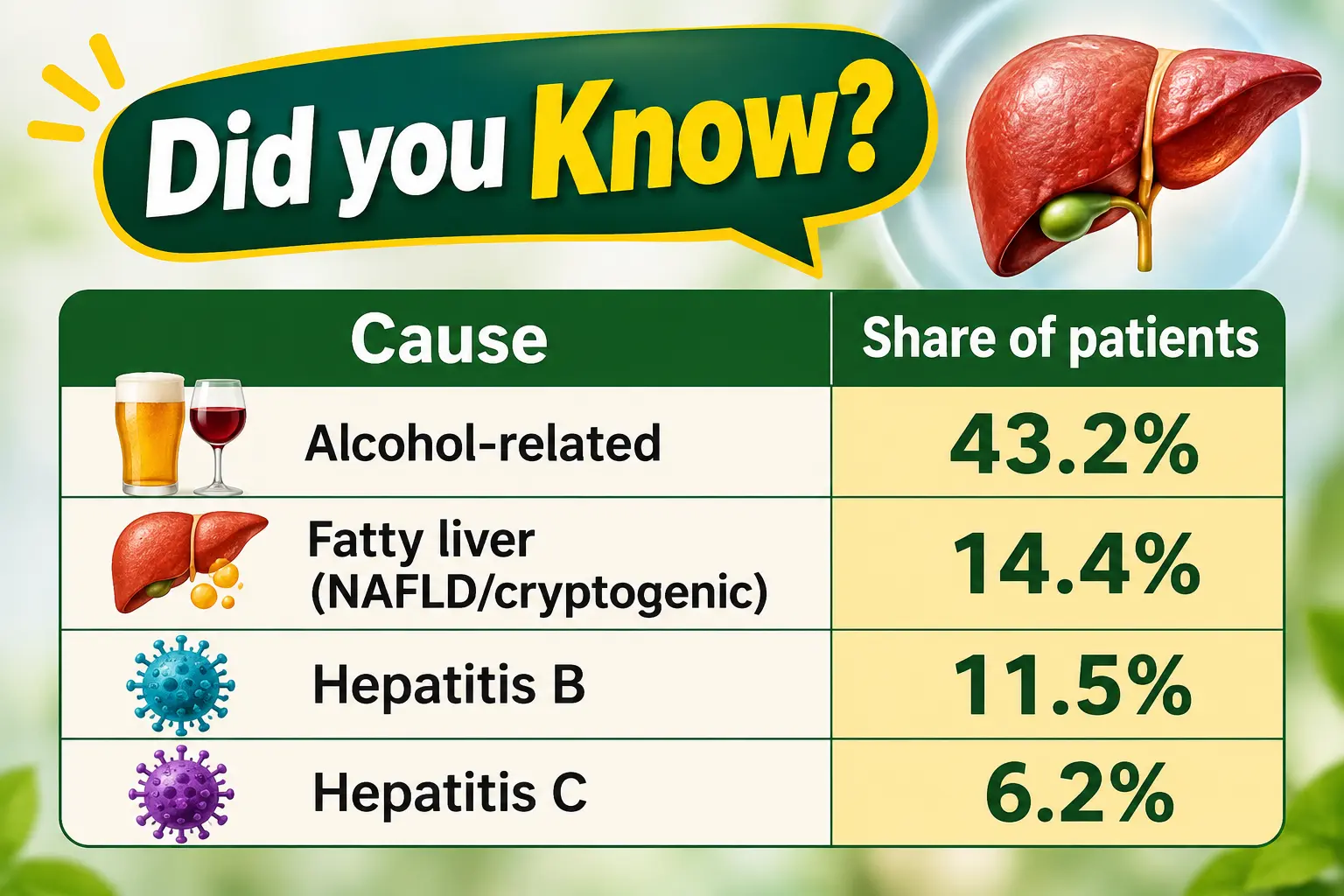
A 2024 systematic review and meta-analysis in the Journal of Clinical and Experimental Hepatology studied 158 Indian studies. Among adults with cirrhosis, the causes were:
| Cause | Share of patients |
| Alcohol-related | 43.2% |
| Fatty liver (NAFLD/cryptogenic) | 14.4% |
| Hepatitis B | 11.5% |
| Hepatitis C | 6.2% |
In simple terms, about four in every ten patients had an alcohol-related cause. The researchers also found that alcohol and fatty liver cases are rising while viral hepatitis cases are falling.
How Do Doctors Identify Liver Failure?
Not everyone who feels tired or itchy has a liver problem. Therefore, doctors look at your symptoms, medical history and test results together.
Common investigations include liver function tests, a bilirubin test, PT/INR to check blood clotting, and an ultrasound. The NIDDK guide to cirrhosis explains the symptoms, causes and diagnosis in detail.
How Ayurveda Looks at Liver Health?
Ayurveda connects the liver with Pitta dosha, which plays a key role in digestion and metabolism. When digestion weakens, the body may build up Ama, a term for undigested waste. Reading the early signs of liver failure through this lens, an Ayurvedic doctor looks at appetite, bowel habits, sleep and meal timing, not only at test reports.
Its four pillars are Aahar (food), Vihar (lifestyle), Shaman (medicines) and Shodhan (therapies). Each plan is personalised. However, people with advanced liver disease should not start herbal medicines or detox procedures without specialist guidance.
How Jeena Sikho HiiMS Approaches Liver Care?
Jeena Sikho HiiMS starts with the actual root cause behind your liver problem, not only the symptoms you see on the surface. Late meals, oily food, alcohol, stress and an irregular routine often play a part, so the healthcare team here looks at your whole lifestyle. Its care then follows four Ayurvedic pillars.
Step 1: Consultation and Assessment
Your care starts with a detailed conversation. The doctor listens to your symptoms, asks about your food and sleep habits, and reviews your medical history and existing reports.
Diagnostic assessment follows, so the plan rests on your real health status and not on any kind of speculation.
Step 2: Preparing the Body
Before any deeper therapy, the body needs a steady base. Simple food, mild herbs and a fixed routine help bring digestion back on track. This stage looks basic, but the later steps depend on it.
Step 3: The Four Pillars in Practice
Aahar (Food): The doctors guide you on what to eat according to your condition. Seasonal fruits and vegetables, raw foods, fresh, home-cooked meals and fixed meal timings usually form the base, while heavy, oily and processed food stays limited or is avoided.
Vihar (Lifestyle): Your daily routine affects your liver as much as your plate does. Here, the healthcare team advises on sleep, light walking and yoga, exercises for stress control, and these habits are easy to follow at home.
Shaman (Medicines): The doctor may select herbal medicines or their combination, such as Bhumi Amla, Kutki or Punarnava, depending on your condition. You take them only under professional guidance, because the right choice differs from person to person.
Shodhan (Therapies): Panchakarma, a set of five cleansing procedures, comes into the plan only where clinically appropriate. The doctor decides the steps and their order after checking your body type and the stage of your disease:
- Vamana: Controlled therapeutic vomiting that clears the upper body.
- Virechana: Purgation therapy that cleans the intestines.
- Basti: A medicated enema that balances the digestive system.
- Nasya: Herbal oil drops through the nose for the head region.
- Raktamokshana: A blood-cleansing method used in selected cases.
And other Ayurvedic therapies.
Step 4: Rebuilding and Follow-Up
Once the internal load reduces, the focus changes to rebuilding strength with balanced food, rest and routine. The liver does not respond well to sudden or extreme changes, so this approach moves gradually.
Regular follow-ups are important too, because liver conditions can change over time, and the plan may need adjusting according to the person and depending on their health condition.
Conclusion
Your liver hardly ever indicates problems strongly, so persistent tiredness, yellow eyes, swelling or itching deserve a proper check instead of just speculation. Acting early on liver failure gives doctors more time to help, and the symptoms of liver failure discussed above can help with that decision. Balanced food, regular sleep, limited alcohol and timely tests protect this hardworking organ.
Ayurveda adds a personalised view of diet and routine, and Jeena Sikho HiiMS follows an integrated approach with helpful outcomes. If any sign you found seems to be familiar, book a VOPD consultation with expert doctors at Jeena Sikho HiiMS for personal guidance on your liver health today.

FAQs
Q1. What are the early signs of liver failure?
Persistent tiredness, reduced appetite, nausea, stomach discomfort and yellowing of the eyes are common early signals. Because they look ordinary, many people overlook them.
Q2. Can liver failure develop without noticeable pain?
The liver has very few pain nerves, so damage can progress quietly. Many people feel only tiredness or mild fullness until the condition is advanced.
Q3. How can I identify liver failure at home?
You cannot confirm it at home, but watch for yellow eyes, dark urine, pale stools, swelling, itching and confusion together. See a doctor for tests.
Q4. Which tests help doctors detect liver failure?
Doctors advise liver function tests, clotting tests such as PT/INR, an ultrasound, and sometimes viral hepatitis markers or a FibroScan to assess the liver.
Q5. Can Ayurveda be considered alongside conventional care for liver disease?
Ayurveda can support food, routine and digestion alongside conventional care, but under qualified supervision. Never stop medicines or delay emergency care without medical advice.
Ayurvedic Liver Care Products
100% natural, certified Ayurvedic formulations crafted for targeted liver wellness.


Disclaimer: The information provided on this blog is for general educational and informational purposes only. It is not intended to replace professional medical advice, diagnosis, or treatment. Always consult a qualified healthcare professional before making any changes to your diet, lifestyle, or treatment plan. Individual results may vary.