
Lowering your cancer risk starts with one fact. A 2022 WHO-IARC analysis found that 37.8% of the 18.7 million new cancer cases worldwide were linked to risk factors that can be changed, such as tobacco, alcohol, high BMI, physical inactivity and infections. In practical terms, reducing cancer risk means acting on these factors through diet, movement, screening, vaccination and supportive traditional practices.
This guide covers evidence-based lifestyle measures, modern preventive medicine (vaccines and screening), and Ayurvedic/AYUSH approaches. It pays special attention to cervical cancer, since India sees about 120,000 new cases and 77,000 deaths each year. Cancer risk cannot be removed completely. It can be lowered through:
- a healthy diet and regular activity
- staying away from tobacco and alcohol
- HPV and Hepatitis B vaccination
- regular screening
- supportive Ayurvedic lifestyle practices (Dinacharya, Ritucharya, and Panchakarma when a physician finds it suitable)
This article is for readers in India and around the world who want natural, preventive, and integrative ways to reduce their risk. That includes people with a family history of cancer, women worried about cervical cancer, and those managing diabetes or obesity. You will learn about:
- Which risk factors you can change and which you cannot
- Foods, dietary patterns, and Ayurvedic herbs studied for their links with cancer risk, with research citations
- A practical guide to screenings and vaccines by age group
- Ayurvedic clinical studies on cervical precancer and HPV
- How Jeena Sikho HiiMS combines Ayurveda with conventional cancer prevention
The focus is prevention and risk reduction, not detailed treatment protocols. Where it matters, the article also explains how lifestyle can support people who are already diagnosed.
Table of Contents
How to Understand and Reduce the Risk of Cancer
Cancer means uncontrolled cell growth, and it is caused by accumulated DNA damage. Any factor that increases the probability of developing cancer is called a “risk factor”. Some are under your control, and some are beyond it.
Primary prevention means cutting down the chances of getting cancer in the first place. It works through diet, activity, vaccines, and avoiding carcinogens. Secondary prevention means detecting cancer or precancerous changes early through screening, when treatment is most effective. The WHO estimates that 30–50% of cancers could be prevented by reducing risk factors and controlling infections.
Integrative prevention combines two things. The first is modern recommendations: vaccines, screening, and evidence-based guidelines such as those published by the American Cancer Society. The second is traditional systems such as Ayurveda, Yoga, and Naturopathy. Jeena Sikho HiiMS does this by pairing conventional diagnostics with Ayurvedic assessment and lifestyle medicine.
Modifiable vs. Non-Modifiable Risk Factors
Some risk factors are fixed (non-modifiable). Age, biological sex, inherited genetic mutations (BRCA1/2, Lynch syndrome), and strong family history cannot be changed. Knowing about them still allows for targeted screening and vigilance.
Your effort pays off most with modifiable risk factors. These include:
- tobacco use and alcohol consumption
- diet quality, body weight, and physical inactivity
- chronic infections (HPV, HBV, H. pylori)
- environmental factors such as air pollution and occupational exposures
- chronic stress, poor sleep, and hormonal exposures
The 2022 IARC analysis attributed 15.1% of all new cancer cases to smoking alone and 10.2% to infections (including HPV, HBV, H. pylori).
These factors give readers the most control over how to reduce cancer risk, so they deserve the most attention. Ayurveda’s “modifiable” factors overlap with Ahara (diet), Vihara (lifestyle), and Dinacharya (daily routine), the very areas it has addressed for centuries.
How Cancer Begins and Progresses in the Body
Cancer develops in stages through a process called carcinogenesis. First, a normal cell suffers DNA damage. The damage can be caused by oxidative stress, chronic inflammation, viral infections, harmful substances, or hormonal imbalance. As it builds up over years or decades, precancerous changes appear, followed by abnormal cells that grow uncontrolled. Because the timeline is so long, sustained lifestyle changes and dietary patterns matter far more than short-term “detox” efforts.

Ayurveda describes this differently. It sees a chronic imbalance of Doshas (especially Pitta and Kapha), a buildup of Ama (metabolic waste), and disturbed Agni (digestive and metabolic fire) as conditions that favour disease. Modern science describes related changes in terms of insulin resistance, chronic low-grade inflammation, and immune dysfunction.
Cervical Cancer in India: Risks and Prevention
Roughly one-fifth of the world’s cervical cancer cases are in India. The country sees about 1.2 lakh (120,000) new cases and about 77,000 deaths each year. Persistent high-risk HPV infection, especially types 16 and 18, is linked to most cervical cancers.
According to the WHO, cervical cancer is one of the most preventable cancers. HPV vaccination, regular Pap/HPV screening, and safe sexual practices all lower the risk. Specific strategies (vaccination, screening, vaginal health, and Ayurvedic support for women’s reproductive health) appear in the relevant sections below.
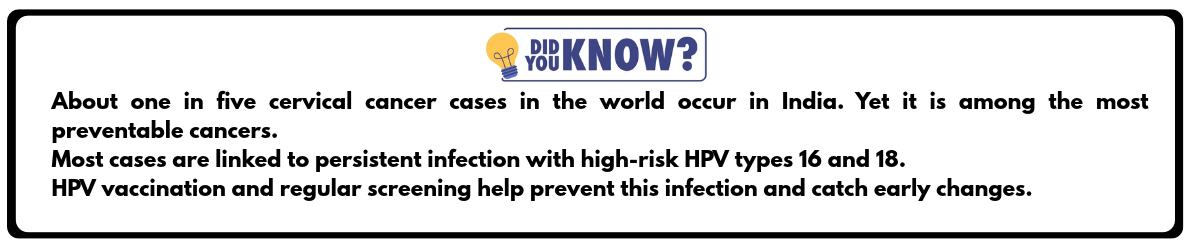
About one in five cervical cancer cases in the world occur in India. Yet it is among the most preventable cancers. Most cases are linked to persistent infection with high-risk HPV types 16 and 18. HPV vaccination and regular screening help prevent this infection and catch early changes.
Healthy Lifestyle Changes for Cancer Prevention
Both modern and Ayurvedic cancer prevention rest on lifestyle. Small, sustainable changes in diet, activity, sleep, and stress management add up over the years. Ten years of consistency is worth more than one perfect week. Healthy lifestyles can reduce cancer risk and support overall wellness across adult life.
Maintain a Healthy Body Weight
Excess body weight is linked with at least 13 cancers. These include breast cancer after menopause, and colorectal, endometrial, liver, pancreatic and kidney cancer. Keeping a healthy weight is one of the most effective ways to lower the risk of these cancers. Significant weight gain in adulthood raises the risk of breast cancer.
In Asian populations, a BMI of 23 or above is classified as overweight, and 25 or above as obese. A waist measuring more than 90 cm in men or 80 cm in women signals higher risk. Fat tissue raises cancer risk along three pathways: chronic low-grade inflammation, insulin resistance, and excess estrogen produced by fat tissue.
Ayurveda links excess weight to aggravated Meda Dhatu (fat tissue), Kapha dominance, and Ama buildup. At Jeena Sikho HiiMS, helping people reach a healthy body weight is a core part of managing metabolic conditions linked to cancer risk. This is done through a personalised diet, herbal support, and Panchakarma where suitable.
Want a plan built around your body, not a generic diet chart? Speak to a HiiMS Ayurvedic expert and start your personalised prevention journey.
Stay Active to Maintain Better Health
Following ACS and WHO guidelines, adults should aim for at least 150 minutes of moderate activity a week (or 75–150 minutes of vigorous activity), plus two strength-training sessions. Regular physical activity is associated with a lower risk of several cancers:
- Physically active people have about a 24% lower risk of colon cancer.
- Physical activity is associated with around a 12% lower risk of breast cancer on average.
- More activity is also linked to lower breast cancer risk after menopause.
Long periods of sitting and low activity, in contrast, are linked with a higher risk of several cancers.
Practical options include brisk walking, cycling, swimming, traditional Indian household chores, farming and resistance bands. Yoga asana practice, pranayama, and Surya Namaskar add more than exercise. In Ayurveda, they are used to balance Doshas, and they may help lower stress hormones and support overall immune health.
The Role of Sleep and Stress in Overall Health
Chronic sleep deprivation, night-shift work, and ongoing stress disrupt circadian rhythms and hormones like cortisol and melatonin. Emerging evidence suggests these disruptions may increase the risk of breast cancer and other cancers. Practical targets:
- 7–9 hours of consistent night-time sleep
- regular sleep and wake times
- limited screen use for 60 minutes before bed
Mindfulness meditation, yoga, deep breathing, and time in nature are evidence-backed ways to reduce stress. Studies link them with lower inflammatory markers.
Ayurveda offers several practices that calm Vata and may help regulate sleep and stress:
- Dinacharya (a fixed daily routine)
- Abhyanga (oil massage)
- Evening habits like a light dinner before 8 pm and warm herbal teas
They work best as structured daily habits rather than occasional practices.
Nutrition for Cancer Prevention: A Modern and Ayurvedic View
No single superfood prevents cancer, but overall dietary patterns can push risk up or down. A healthy overall dietary pattern is associated with lower cancer risk. The guidance below draws on the World Cancer Research Fund, the American Cancer Society, Indian dietary traditions, and the Ayurvedic dietary principles used by Jeena Sikho HiiMS nutrition teams.
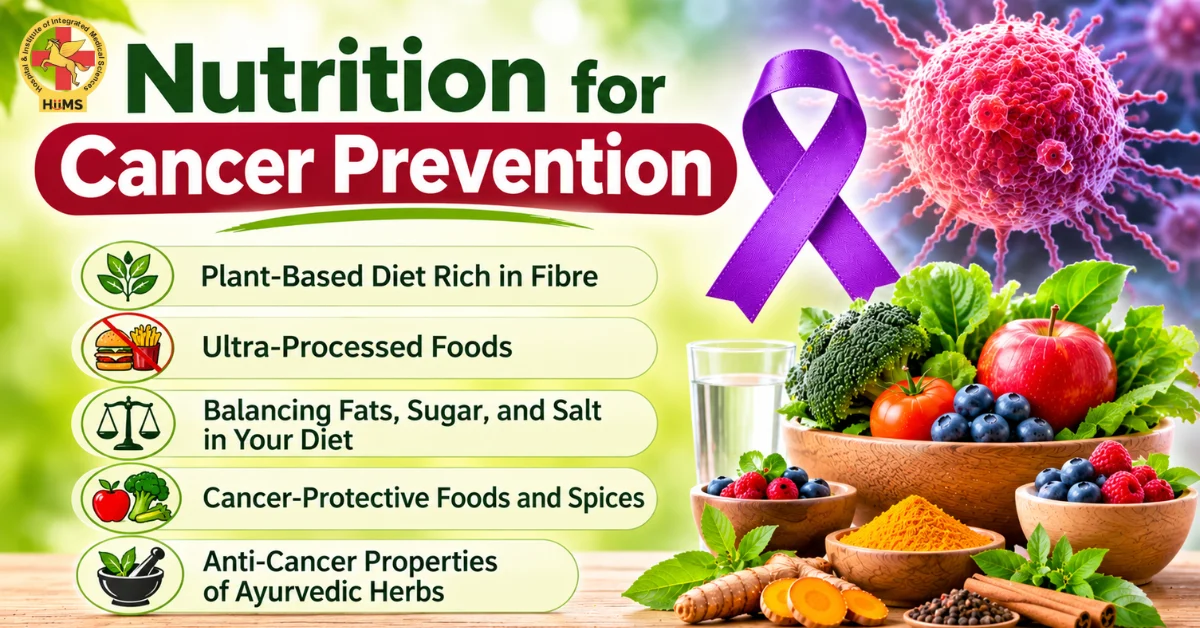
Choose a Plant-Based Diet Rich in Fiber
At least two-thirds of your plate should come from plants: vegetables, fruits, whole grains (millets, brown rice), legumes (dal, chana, rajma), nuts, and seeds. Have at least 5 portions of fruits and vegetables a day. Fibre-rich foods are linked with lower bowel cancer risk. In cohort studies, each additional 10 g/day of fibre was associated with lower colon cancer risk.
For Indian kitchens, think mixed veggie sabzi, sambar with vegetables and lentils, millet rotis, and seasonal fruits (amla, guava, papaya). Glucosinolates in cruciferous vegetables (cabbage, cauliflower, broccoli) have shown protective effects in laboratory studies.
In Ayurveda, freshly cooked, seasonal plant foods are believed to support Agni, reduce Ama, and balance Kapha and Pitta, when chosen to suit an individual’s Prakriti.
Ultra-Processed Foods
Ultra-processed and highly processed foods feed obesity, blood-sugar spikes, and low-grade inflammation, all of which increase cancer risk. Examples are packaged snacks, sugary beverages, and instant noodles.
Traditional home-cooked Indian meals that are not excessively oily or salty match cancer-preventive dietary patterns. They also fit the guiding principles of the Ayurvedic Sattvic diet. This way of eating is both practical and culturally accessible.
Balancing Fats, Sugar, and Salt in Your Diet
Fats. Replace unhealthy fats, meaning trans fats and repeatedly heated deep-frying oils. Use cold-pressed oils (mustard, sesame, groundnut, coconut in moderation), nuts, and seeds instead. Keep saturated fat from dairy foods and animal products moderate.
Sugar. Limit added sugar from sodas, sweets, bakery items, and sweetened packaged drinks. Excess sugar drives obesity and metabolic syndrome, which increase the risk of several cancers and heart disease. Limit all added sugars, including jaggery and honey.
Salt. High salt intake is associated with stomach cancer, particularly from pickled, smoked, and heavily salted foods. Use less salt of any kind, and choose iodised salt for everyday cooking.
Choose roasted snacks over deep-fried ones, and keep home-made pickles to small amounts. Small changes like these help maintain a healthy weight and metabolic health.
Evidence-Informed Cancer-Protective Foods and Spices
Several foods have human or mechanistic evidence suggesting protective effects:
- turmeric (curcumin), green tea, garlic and onions
- tomatoes (lycopene), berries and citrus fruits
- amla (rich in vitamin C)
- cruciferous vegetables
Diets rich in antioxidant-containing foods may be associated with lower cancer risk.
Culturally relevant choices include haldi-doodh (turmeric milk) with minimal sugar, lemon and amla preparations, and tulsi and ginger infusions. They supply antioxidants and anti-inflammatory compounds. Some lab studies suggest they influence enzymes such as GST and NQO1 that help the body process harmful substances.
On vitamin D, emerging research links adequate vitamin D levels with lower risk of certain cancers. A physician should guide any supplementation.
What Research Says About Ayurvedic Herbs and Cancer Risk
This section summarises research and is not a prescription for self-medication. Speak to a qualified Ayurveda or integrative physician before using any of these herbs, particularly if you have cancer or are having treatment like chemotherapy. Most of the studies below are small or were done in laboratories or animals.
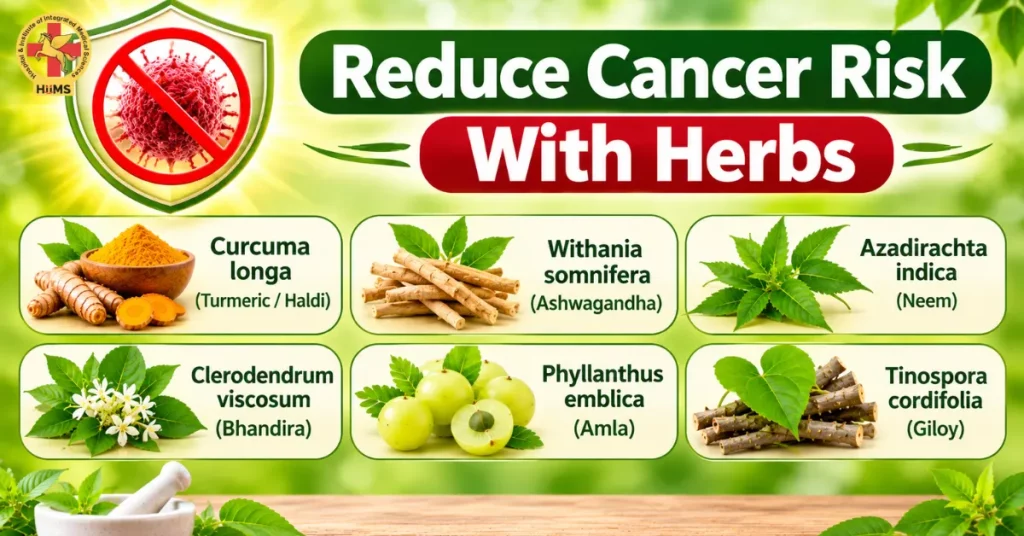
Curcuma longa (Turmeric / Haldi)
- LSIL study: A 12-week study gave NBFR-03 (a standardised turmeric extract, 0.2 g capsule twice daily) to 21 women with persistent LSIL (low-grade squamous intraepithelial lesion). In 16 of 21, findings regressed to a lower grade, and none progressed to higher-grade lesions. Mean serum IL-6 dropped from ~248 pg/ml to ~27.7 pg/ml (p < 0.05).
- Follow-up study: In a separate small study, 15 of 18 women treated with turmeric oil plus antimicrobials stayed free of LSIL over 36 months, compared with 5 of 10 controls who had persistent lesions.
- Safety trial: An intravaginal curcumin Phase I trial (doses up to 2,000 mg daily for 14 days) showed no severe adverse events. Every side effect was grade I and resolved.
Withania somnifera (Ashwagandha)
In laboratory and animal studies, its compound Withaferin-A inhibited CaSki cervical cancer cells at IC50 ≈ 0.45 µM. It also reduced tumour volume by ~70% in mice over 6 weeks. Researchers linked this to downregulation of the HPV E6/E7 oncogenes, p53 accumulation, raised p21, and changes in Bcl2/Bax and caspase pathways. Human clinical trials are limited, and these results cannot be assumed to apply to people.
Azadirachta indica (Neem)
In a small ICMR-funded pilot study, 20 women with confirmed HPV-16 infection applied Praneem intravaginally for 30 days. Praneem is a polyherbal tablet with Neem, Sapindus, Mentha, and Quinine. After a single course, HPV-16 was no longer detected in 6 of 10 women (60%) in the treatment group. With repeat treatment this reached 80%, compared with 10% spontaneous clearance in the placebo group. Larger trials are needed to confirm these findings.
Clerodendrum viscosum (Bhandira)
In a small study of women with CIN, Bhandira churna was combined with local yoni pratisarana (vaginal application) for 3 months. It was associated with statistically significant regression on Pap smear and colposcopic findings (p < 0.01). Symptoms such as discharge, itching, and pain also improved.
Phyllanthus emblica (Amla)
Laboratory (in vitro) studies show pro-apoptotic and anti-proliferative effects on cancer cells. Amla is also one of the richest natural sources of vitamin C, an antioxidant with documented anti-inflammatory properties.
Tinospora cordifolia (Giloy)
Mostly laboratory and animal studies suggest giloy may have immunomodulatory and antioxidant effects. Whether this helps the body’s natural surveillance against abnormal cells has not been shown in humans.
Safety note
- Several of these herbs can interact with chemotherapy drugs.
- Prolonged use requires liver function monitoring.
- Unsupervised high-dose or long-term use should be avoided.
Doctors at Jeena Sikho HiiMS use these herbs within personalised, monitored plans rather than as generic supplements. Separately, computational (computer-modelling) studies have identified plant compounds, including apigenin and allicin (found in garlic), that interact with HPV, MAPK and EGFR pathways. These are early leads for future drug research, not evidence of benefit in people.
Preventive Measures for Cervical and Other Common Cancers
General lifestyle changes reduce risk broadly, but certain common cancers need specific preventive measures. This section answers how to reduce cancer risk in concrete, site-specific ways.
How to Reduce Breast Cancer Risk
The main modifiable risk factors for breast cancer are:
- excess weight (particularly after menopause)
- physical inactivity
- alcohol consumption
- not breastfeeding
- prolonged hormone replacement therapy
Gaining a lot of weight in adulthood increases the risk. Keeping a healthy weight through adult life is among the strongest preventive measures for post-menopausal breast cancer.
Screening and self-checks:
- From your early 20s, practise monthly breast self-awareness (knowing what is normal and noticing changes).
- Have clinical breast exams.
- From age 40–45, start mammography screening, annually or every two years depending on guidelines and your risk profile.
Ayurvedic practices may support overall wellbeing alongside these steps. They include Rasayana for women’s health (for example, Shatavari under guidance), stress reduction with meditation and yoga, and avoiding chronic sleep debt and late-night work, which can disturb hormonal cycles.
Reducing the Risk of Colon, Liver, and Lung Cancer
Colon cancer. Prevention relies on a high-fibre diet, limited red and processed meat, regular exercise, and weight management. Screening from age 45 to 50 includes colonoscopy and FIT (faecal immunochemical test). Physically active people have about a 24% lower colon cancer risk than inactive adults.
Liver cancer. Prevention starts with Hepatitis B vaccination, which protects against Hepatitis B-related liver cancer, especially when given at birth or in early childhood. Safe sexual and injection practices, avoiding heavy alcohol use, and managing fatty liver, obesity, and diabetes through lifestyle are also essential. At Jeena Sikho HiiMS, supervised Ayurvedic liver-supporting herbs (for example, Kutki and Bhumi Amla) are used as part of care for metabolic liver conditions.
Lung cancer. Globally, most lung cancer cases are linked to smoking, though in India a notable share occurs in people who have never smoked. Smoking is the leading cause of preventable cancer deaths worldwide. Tobacco causes lung, mouth, and throat cancers, and smokeless tobacco increases the risk of mouth cancers. Quitting tobacco at any age lowers lung cancer risk, and the benefit grows the longer you stay tobacco-free.
Other important steps:
- Avoid passive smoking.
- Reduce exposure to biomass smoke in poorly ventilated kitchens by using chimneys or improved stoves.
- Address radon and occupational exposures (asbestos, benzene) in industrial settings.
Preventive Health Checks, Screening and Vaccination
The best current answer to how to reduce cancer risk combines a healthy lifestyle, regular screening, and vaccination. Routine screenings can find some cancers early, when treatment works best. Population-level screening programmes check large groups. Individualised screening looks at your personal risk, family history, and genetic factors.
A Guide to Cancer Screening by Age
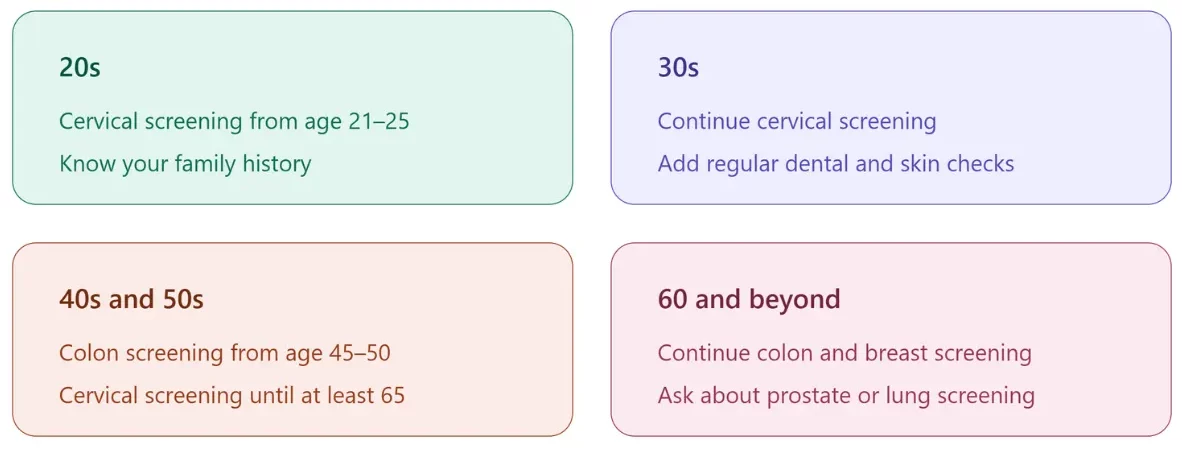
In your 20s: Start cervical cancer screening (guidelines suggest beginning at 21–25). Clinical breast exams and knowing your family history also matter at this stage.
In your 30s: Keep following the cervical screening schedule. If breast cancer runs strongly in your family, talk to your doctor about earlier breast imaging. Regular dental and skin checks are also wise, especially if you spend a lot of time in the sun.
In your 40s and 50s: Consider colon cancer screening from age 45 to 50. Continue cervical screening until at least age 65, as guidelines advise. Routine screening matters even more in this age group.
60 and beyond: Continue colon and breast screening as advised. Men should talk to their doctor about prostate cancer screening. People with a heavy smoking history may qualify for low-dose CT screening for lung cancer.
Jeena Sikho HiiMS can work with diagnostic partners or your current oncologist to align integrative Ayurvedic care with standard screening protocols.
Environmental, Household and Occupational Factors Linked to Cancer
Lifestyle is not the only factor. Environmental exposures and cancer-causing substances also affect cancer risk at the population level. Tobacco smoke, air pollution, pesticides, and industrial chemicals contribute to many cancers.
Reducing Everyday Harmful Exposures in Your Home
Indoor air. Cut down indoor smoke from:
- chulhas without chimneys
- incense and camphor in poorly ventilated rooms
- frequent mosquito coil use
Pick natural or low-VOC cleaning products, and skip unnecessary insecticide sprays indoors.
Food. Wash fruits and vegetables well to reduce pesticide residues. If possible, pick local, seasonal, lower-spray produce or grow your own kitchen garden.
Sun. Ultraviolet radiation from sunlight can cause skin cancer, so sun safety lowers your risk:
- Limit time in the sun between 11 am and 3 pm.
- Use broad-spectrum sunscreen with at least SPF 30.
- Cover your skin with clothing and hats.
Skin cancers are more common among fair-skinned people with long sun exposure, but Indians are not immune.
In Ayurveda, a Sattvic environment with clean air, natural light, and minimal chemical exposure is part of holistic preventive health.
Occupational Exposure and Radiation Hazards
Workers exposed to asbestos, benzene, formaldehyde, certain dyes, and ionising radiation have a higher risk of developing cancer. If you work with these:
- Learn the Material Safety Data Sheets for the substances you handle.
- Wear protective equipment (masks, gloves, shields) every time.
- Join the health surveillance programmes your employer offers.
Medical radiation (CT scans, frequent X-rays) should be used only when clinically justified. Keep your records to avoid repeating scans unnecessarily. Excessive, unjustified imaging adds to cumulative radiation exposure, which is a real, measurable risk factor.
Ahara, Vihara, Shamana and Shodhana: Four Ayurvedic Principles
Ayurveda approaches prevention through four connected pillars. Each one aims at factors that modern science also links to cancer risk: chronic inflammation, insulin resistance, and metabolic imbalance. Used together and under qualified supervision, they can support the lifestyle, screening and vaccination steps described above. They never replace them.

1. Ahara (Diet)
Food is the first line of prevention. Ahara means choosing freshly cooked, seasonal, mostly plant-based meals suited to your Prakriti. Think dal, sabzi, millet roti, amla and turmeric. Limit ultra-processed foods, added sugar, excess salt and repeatedly heated oils. A light dinner before 8 pm is believed in Ayurveda to support Agni (digestive fire).
2. Vihara (Lifestyle)
Vihara covers how you live each day:
- regular physical activity such as walking, yoga and Surya Namaskar
- 7–9 hours of consistent sleep
- stress management through pranayama and meditation
- staying away from tobacco and alcohol
A fixed daily routine (Dinacharya) helps keep your body clock regular.
3. Shamana (Pacification)
Shamana uses gentle, supportive measures such as diet adjustments, herbs and Rasayana (rejuvenating) formulations. In Ayurveda, these are used to calm aggravated Doshas and reduce Ama without strong cleansing. Herbs such as turmeric, amla, giloy and ashwagandha are used here. They are always given under the guidance of a qualified physician, especially for anyone with an existing diagnosis or on chemotherapy.
4. Shodhana (Purification)
Shodhana refers to Panchakarma therapies such as Snehan, Swedana, Virechana and Basti. Doctors use them in suitable people to reduce Ama, as understood in Ayurveda, and to support metabolic health. It is not a “cancer cure” and is not meant for everyone. A physician decides whether it is appropriate after a proper assessment.
Jeena Sikho HiiMS’s Integrated Approach to Cancer Risk Reduction
Jeena Sikho HiiMS runs a network of hospitals and clinics. It is an integrated AYUSH hospital that works alongside conventional oncology and preventive medicine. Its team of Ayurvedic, Homeopathic, and Naturopathy doctors supports patients before, during, or after conventional treatment, with a focus on lifestyle, diet, and resilience.
Personal Health Assessment and Lifestyle Planning
A typical consultation starts with a detailed history. The doctor asks about:
- your family history of cancer
- menstrual and reproductive history (relevant for cervical and breast cancer risk)
- occupational exposures, tobacco and alcohol use
- stress levels and sleep patterns
- existing conditions like diabetes or PCOS
The Ayurvedic assessment then adds an evaluation of Prakriti (constitution) and Vikriti (current imbalance) through tongue and pulse examination. Modern lab tests show your metabolic and inflammatory state, such as lipids, HbA1c, liver function, and inflammatory markers like hs-CRP.
All of this shapes a personalised plan:
- a diet chart aligned with the DIP Diet framework
- a yoga and pranayama routine
- herbal prescriptions where suitable
- referrals for screening (Pap, mammogram, colonoscopy) when needed
Panchakarma and Holistic Health Programmes
Panchakarma is not a “cancer cure.” It is a structured set of therapies that doctors use in suitable people to reduce Ama, as understood in Ayurveda, and to support metabolism, weight management and metabolic health. Therapies that may be used include:
- Snehan and Swedana (oil massage and steam), which are traditionally used to prepare the body for further therapies and may help with relaxation
- Virechana (therapeutic purgation), for selected Pitta/Kapha-dominant metabolic conditions
- Basti (medicated enemas), traditionally used to balance Vata and support digestion and regular elimination
Programmes for managing obesity, diabetes, fatty liver, and PCOS aim to improve insulin resistance, inflammation, and hormonal balance. These factors are linked to cancer risk.
Virtual Consultations and Home-Based Treatment
HiiMS @ Home and virtual OPD let people across India and abroad get Ayurvedic guidance on diet, lifestyle, and herbs without travelling. Some relevant cases include:
- Women who want integrative support around HPV infection or abnormal Pap results, alongside their gynaecologist’s care
- Patients after chemotherapy or radiotherapy who want gentle, supervised herbal and dietary support to rebuild strength
- Families with a strong cancer history who want a long-term prevention plan

Common Challenges and How to Handle Them
Knowing how to reduce cancer risk is one thing, but doing it every day is another. Here are practical solutions for the most common barriers.
“I Know I Should Quit Tobacco/Alcohol but Can’t”
Heavy drinking raises the risk of several cancers, and alcohol is linked with mouth, throat, and liver cancers. No amount of alcohol is completely risk-free, so the best step is to avoid it.
For tobacco, quitting at any age lowers your cancer risk, and the benefit keeps growing over time. What works best:
- behavioural counselling
- support groups
- where suitable, nicotine replacement therapy or medicines your doctor prescribes
Alongside these proven methods, Jeena Sikho HiiMS offers supervised Ayurvedic support to help with stress during quitting, such as selected herbs, nasya, and shirodhara. Pick a quit date within the next 30 days, and tell your friends and family so they can keep you on track.
“Healthy Eating and Exercise Don’t Fit My Busy Life”
Begin with 15–20-minute home routines. Try body-weight exercises, yoga sequences, and brisk walking breaks between work sessions. Adults should get at least 150 minutes of moderate activity each week, and long periods of inactivity are linked with higher cancer risk.
Do your meal prep once or twice a week. Keep simple staples like roasted chana, fruits, and nuts within reach so you can skip highly processed foods. An early, lighter dinner before 8 pm and a proper breakfast help prevent late-night snacking. You can make these changes without overhauling your life.
“I’m Afraid of Screening Tests and Results”
Fear, shame, cost, and myths about Pap smears and mammograms hold many people back, and these barriers are real. Still, most screenings are quick and low-risk. Finding and treating precancerous changes, especially in the cervix and colon, can stop many cancers from developing, so early detection saves lives.
Bring a trusted friend or family member with you, and discuss cost and options with your providers. Jeena Sikho HiiMS counsellors offer emotional support alongside integrative consultations.
Conclusion and Next Steps
You can’t remove cancer risk completely, but you can lower it with steady, concrete action:
- Vaccines (HPV, Hepatitis B) and regular screening help prevent some cancers and catch others early.
- A plant-rich diet, regular physical activity and a healthy weight address many of the modifiable risk factors behind 37.8% of global cancer cases.
- Staying away from tobacco and excess alcohol addresses the rest.
Ayurvedic lifestyle practices, herbs under early study (turmeric, ashwagandha, neem), and therapies like Panchakarma may offer complementary support when qualified practitioners supervise them.
Your next-week checklist:
- Book any overdue screenings (Pap smear, mammogram, colonoscopy) if you fall in the target age group
- Walk or practise yoga for at least 30 minutes on 5 days this week
- Include two extra servings of vegetables and one seasonal fruit in your daily meals
- Book a consultation (online or in-person) with a Jeena Sikho HiiMS integrative physician for a personalised prevention plan
Related topics to explore: managing diabetes and obesity, Ayurvedic women’s health, sexual wellness and HPV prevention, and stress-related disorders.
FAQs on How to Reduce Cancer Risk (Including Cervical Cancer)
Q1. Can I Completely Prevent Cancer?
No method can promise zero risk, because genetics and some exposures are out of your control. Still, the WHO estimates that 30–50% of cancers could be prevented through lifestyle changes, vaccination, and infection control, and screening catches many others early. Even if cancer runs in your family, these steps help.
Q2. What Is the Single Most Important Thing I Can Do Today to Reduce Cancer Risk?
If you use tobacco, quitting is the single biggest step. Smoking is the top cause of preventable cancer deaths worldwide, and it is linked to most lung cancer cases globally. If you don’t smoke, focus on a healthy weight, regular physical activity, and staying up to date with screening and vaccines. Don’t try to change everything at once. Book a doctor’s appointment and make a plan together.
Q3. How Does Ayurveda Help with Cancer Prevention?
Ayurveda can’t replace surgery, chemotherapy, or radiotherapy when cancer is already established. As a complementary approach, it focuses on digestion (Agni), reducing metabolic waste (Ama), balancing Doshas, and building Ojas (vitality) through diet, herbs, and lifestyle. Laboratory and early clinical studies on several Ayurvedic herbs show promising results, but larger human trials are still needed.
Q4. Is There Evidence for Ayurvedic Approaches in Cervical Cancer Prevention?
The proven ways to prevent cervical cancer are HPV vaccination and regular screening. Several small clinical studies have looked at herbal formulations:
- A standardised turmeric extract (NBFR-03) was followed by LSIL regression in 16 of 21 women over 12 weeks.
- The Praneem polyherbal tablet was followed by HPV-16 clearance in 80% of a small group after repeat 30-day courses.
- In mice, Withaferin-A from Ashwagandha reduced cervical cancer tumour volume by ~70%.
These are small studies (10–40 participants) or animal research. Use these herbs only under medical supervision, and never replace Pap/HPV testing and gynaecological care with them.
Q5. When Should I See a Doctor About Possible Cancer Symptoms?
See a doctor promptly if you notice:
- unexplained weight loss or persistent fatigue
- ulcers or sores that don’t heal
- unusual bleeding or discharge, especially after sex or between periods
- a change in bowel or bladder habits
- lumps in the breast or elsewhere
- a chronic cough or hoarseness
Early evaluation doesn’t mean it is cancer, but it allows earlier treatment if something serious turns up. You can also consult Jeena Sikho HiiMS for an integrative opinion alongside your oncologist or primary physician.
Ayurvedic Cancer Care Products
100% natural, certified Ayurvedic formulations crafted for targeted cancer wellness.


Disclaimer: The information provided on this blog is for general educational and informational purposes only. It is not intended to replace professional medical advice, diagnosis, or treatment. Always consult a qualified healthcare professional before making any changes to your diet, lifestyle, or treatment plan. Individual results may vary.