
Your heart works continuously to keep blood flowing throughout your body, yet everyday habits can have a major role in cardiovascular health. Diet, physical activity, tobacco use, alcohol, and blood pressure and cholesterol are among the factors linked with heart disease. The World Health Organization (WHO) identifies unhealthy diet and physical inactivity as important behavioral risk factors for cardiovascular disease.
So, what does a heart-friendly routine actually look like? It does not have to mean following a complicated heart health diet. Rather than opting for medication, eating whole foods, being physically active, handling stress and having adequate sleep may be included in one’s daily Ayurveda heart care routine.
This blog is all about Ayurveda diet for heart health and easy natural heart health tips.
What Is an Ayurvedic Diet for Heart Health?
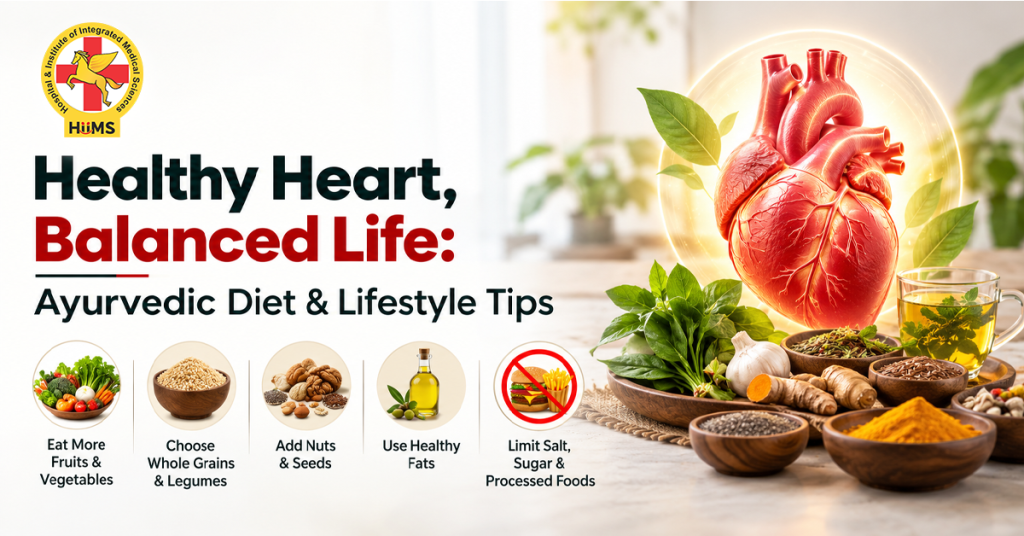
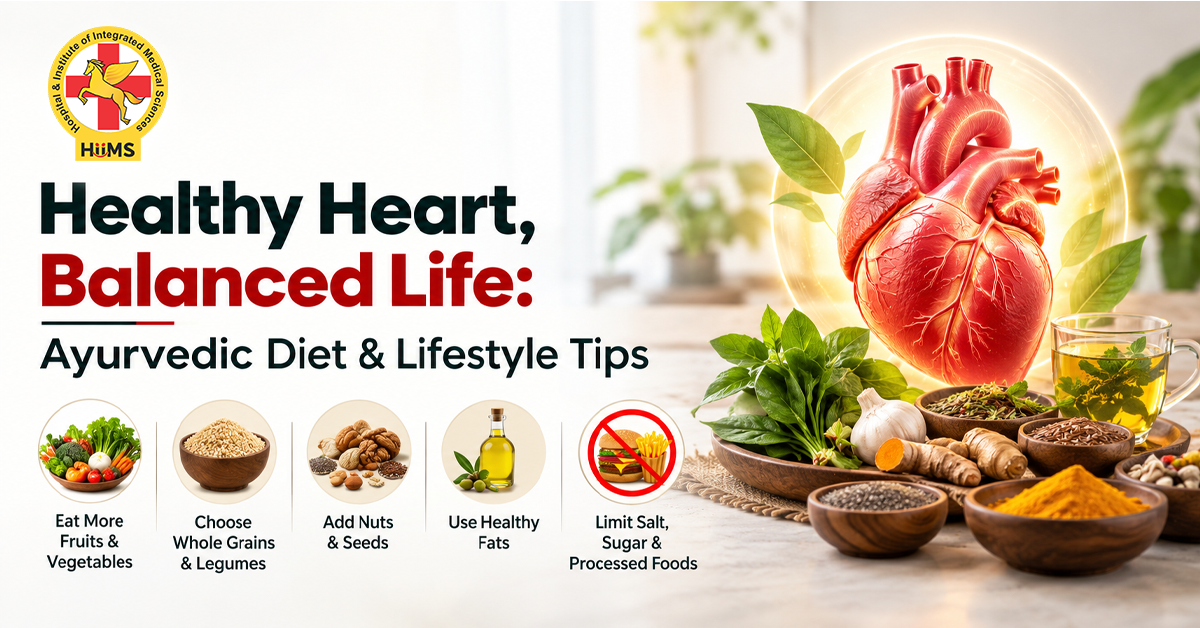
An ayurvedic diet for healthy nutrition comprises of fresh food, appropriate choice of foods, timely consumption of food and maintenance of balance in the digestive system. Vegetables, fruits, whole grains, legumes, nuts and seeds may be consumed for a heart-healthy diet.
Diet advice for contemporary times also encourages a diversified diet consisting of vegetables, fruits, whole grains and legumes with reduced consumption of salt, sugar and fats. World Health Organization

Which Foods Can Be Included in a Heart Health Diet?
Eat More Fresh Fruits and Vegetables
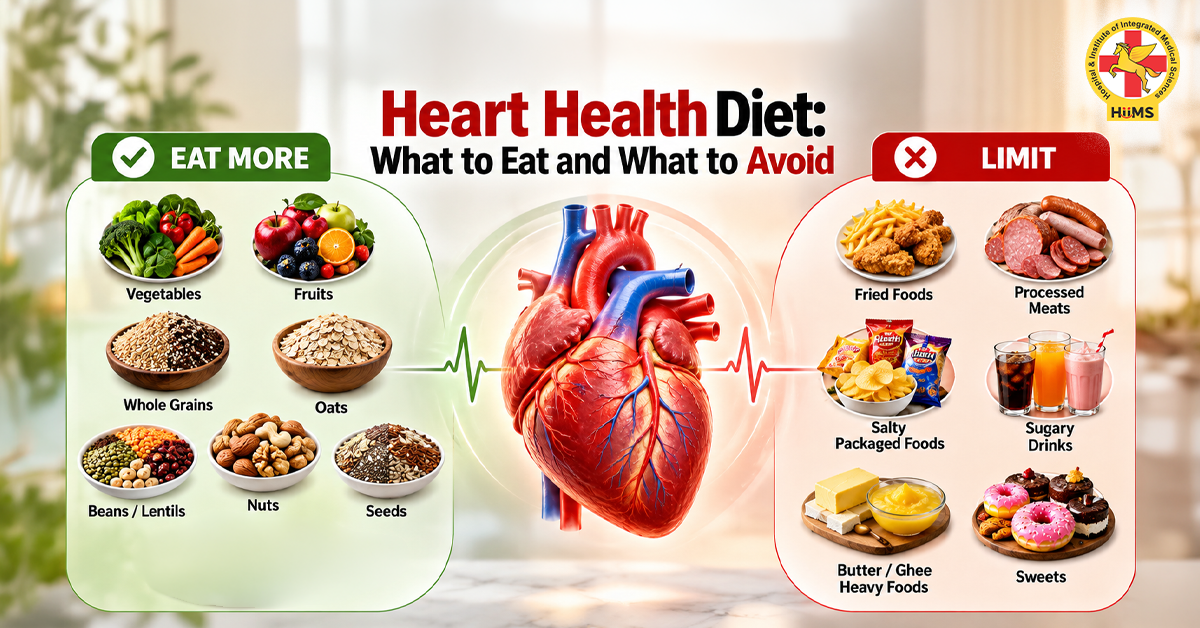
Vegetables and fruits can provide fibre, vitamins, minerals and other nutrients. Include seasonal options such as leafy greens, carrots, tomatoes, guava, oranges and other locally available produce.
Try to include different colours throughout the week instead of depending on one particular food.
Choose Whole Grains and Legumes
Whole grains such as oats, whole wheat and millets can be combined with dal, beans and other legumes. These foods can add fibre and plant-based protein to meals.
A simple meal of dal, vegetables and roti or brown rice can be a practical part of a heart-friendly diet.
Use Spices Mindfully
Indian cuisine uses spices such as turmeric, ginger, cumin, coriander, and black pepper. Spices provide a taste to meals without the need for much salt or thick sauces.
It is also important to understand that spices cannot be considered the main solution to cardiovascular diseases.
Choose Healthy Fats
Nuts, seeds and suitable plant oils can provide unsaturated fats. At the same time, limit excessive butter, ghee, fried foods and foods high in saturated fats according to your individual dietary needs.
What Foods Should You Limit for Heart Health?
A heart-friendly diet is not only about what you add. It is also about what you reduce.
Try not to consume:
- Processed food products
- Food that is too salty
- Sugary drinks
- Deep-fried foods
- Fatty foods
- Too much alcohol
The WHO further recommends a reduction in salt intake, increased consumption of fruits and vegetables, physical activity, and limiting alcohol consumption to prevent heart disease. World Health Organization
What Are the Best Natural Heart Health Tips?
Stay Physically Active
Exercise may also form part of your regular healthy lifestyle program. Walking, cycling, swimming, yoga, or any other relevant exercise will keep you fit.
Do not engage in vigorous exercise but rather choose exercises that you can do regularly.
Can Yoga and Meditation Support Ayurvedic Heart Care?
Yoga, breathing practices and meditation can be included as part of a balanced lifestyle. They may also provide a simple way to make time for relaxation and mindful living.
However, these practices should complement appropriate medical care when someone has a diagnosed heart condition.
Why Is Sleep Important for Heart Health?
Maintaining a regular sleep routine is another part of the healthy living. Aim for adequate sleep and try to maintain consistent sleeping and waking times.
A regular routine can make it easier to manage other healthy habits as well.
Avoid Tobacco and Harmful Alcohol Use
Avoiding the tobacco is an important part of cardiovascular health. If you drink alcohol, avoid using it as a health remedy and discuss your intake with a healthcare professional when needed.
What Is Dinacharya for a Healthy Heart?
‘Dinacharya’ means ‘a daily routine’ according to Ayurveda. In order to have a healthy heart, some of the activities in the routine would be sleeping on time, having meals at appropriate timings, staying active, and taking rest.
The goal is not to follow a rigid routine but to create simple habits that can be maintained over time.
Ayurvedic Heart Care at Jeena Sikho HiiMS
At Jeena Sikho HiiMS, Ayurvedic heart care focuses on personalised diet, lifestyle and wellness guidance based on an individual’s health needs. Depending on the person’s condition and suitability, an integrated approach may include Ayurveda, diet planning, yoga, lifestyle guidance and naturopathy.
For people with an existing heart condition, such approaches should be planned alongside appropriate medical evaluation and prescribed care. Diet or Ayurvedic practices should not be used to replace emergency or necessary cardiovascular treatment.
When Should You Seek Medical Advice?
Do not rely only on diet or lifestyle changes if you have symptoms such as chest pain or pressure, unusual shortness of breath, fainting or sudden severe discomfort.
Heart attack symptoms can require urgent medical attention. WHO notes that a heart attack is a medical emergency and early care is important. World Health Organization
Conclusion
A healthy heart is supported by consistent everyday habits rather than one special food or remedy. A good heart health diet, exercises, sleep, stress reduction techniques, and smoking cessation can be parts of a healthier lifestyle.

There is an Ayurvedic diet for a healthy heart that revolves around balanced food and balanced activities. To get more customised services according to your requirements, you can get a VOPD counselling session by the Jeena Sikho HiiMS.
FAQs
1. What is the best Ayurvedic diet for heart health?
A balanced diet including vegetables, fruits, whole grains, lentils, nuts and healthy fats is considered to be an Ayurveda-based heart-healthy programme.
4. What are heart-healthy diet foods?
Vegetables, fruits, whole grains, dal, beans, nuts and seeds may be part of a balanced diet.
3. Does yoga promote heart health?
Yoga and breathing exercises may be recommended as part of a healthy life programme. However, those who suffer from heart diseases must select exercises based on their condition.
4. What foods should I not eat for heart health?
Processed products, excess salt, sweets, deep-fried products and fatty foods should be avoided.
5. What are heart health tips naturally?
You must eat balanced meals, be physically active, sleep well, control stress and quit smoking. Moreover, health check-ups must be conducted in case of heart disease risks.
Ayurvedic Heart Care Products
100% natural, certified Ayurvedic formulations crafted for targeted heart wellness.



Disclaimer: The information provided on this blog is for general educational and informational purposes only. It is not intended to replace professional medical advice, diagnosis, or treatment. Always consult a qualified healthcare professional before making any changes to your diet, lifestyle, or treatment plan. Individual results may vary.