
Cancer is a disease that affects individuals in various ways at any point in their lives. Although age is one of the factors related to cancer, other factors may also contribute to an individual’s risk. For this reason, it is significant to understand trends in cancer and health in general.
In India, there has been a rising trend in the burden of cancer. In a study conducted in 2013, the estimate of new cancer cases in India in the year 2011 was 1.19 million, comprising about 589,800 among males and 603,500 among females. The prediction was of almost 1.87 million cases in the year 2026, of whom about 934,268 would be among males and 935,715 among females.
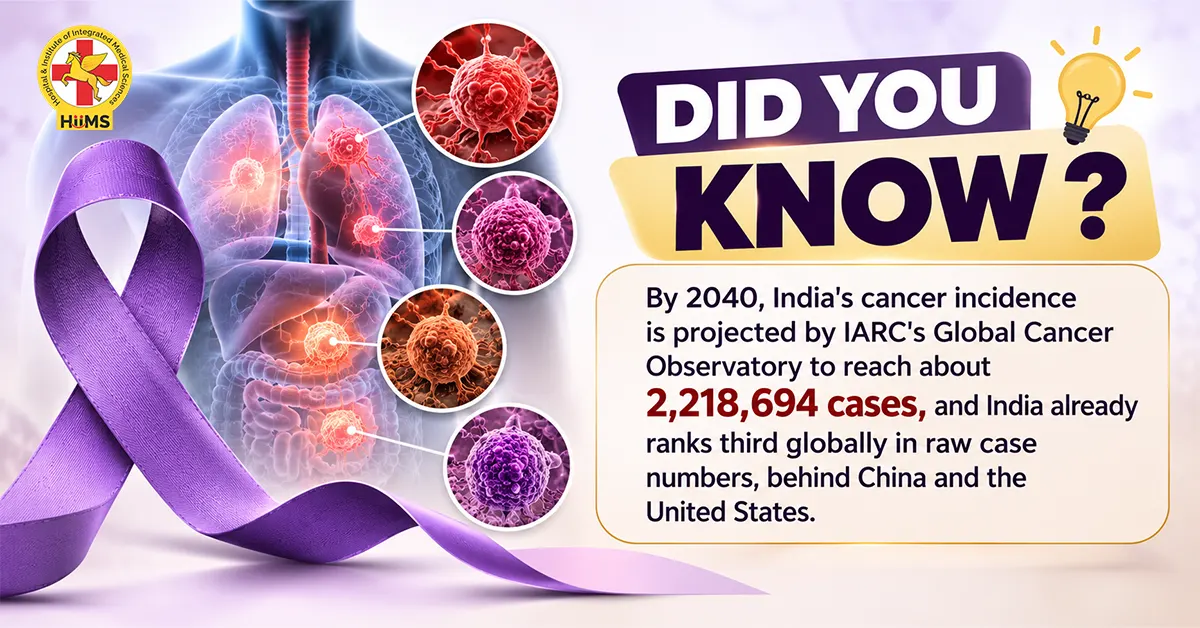
These numbers are historical estimates and projections, not current 2026 case counts. Still, they show why cancer awareness and early attention to health changes matter. Researchers are also looking at why certain cancers are appearing more often at younger ages and whether lifestyle, environmental, and early life factors may play a role.
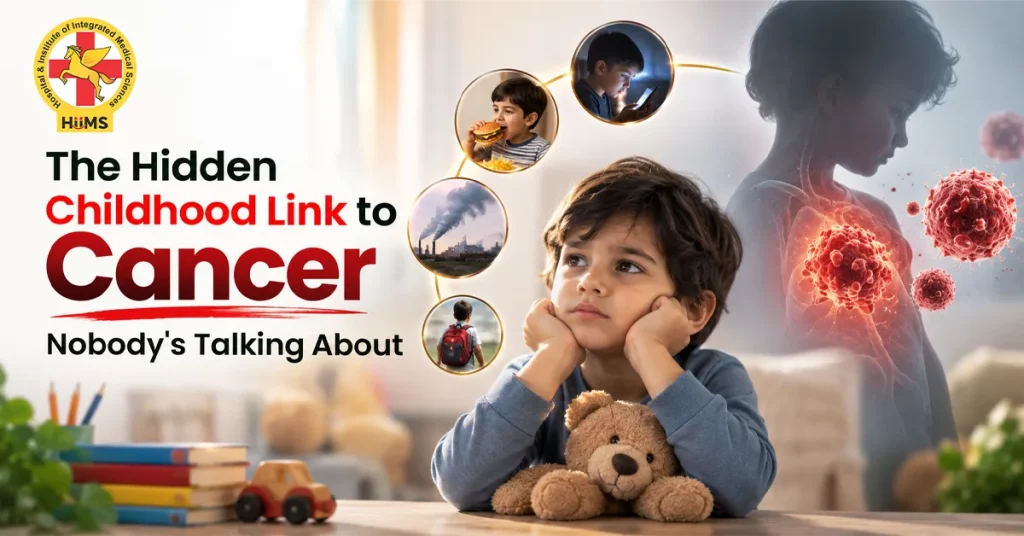
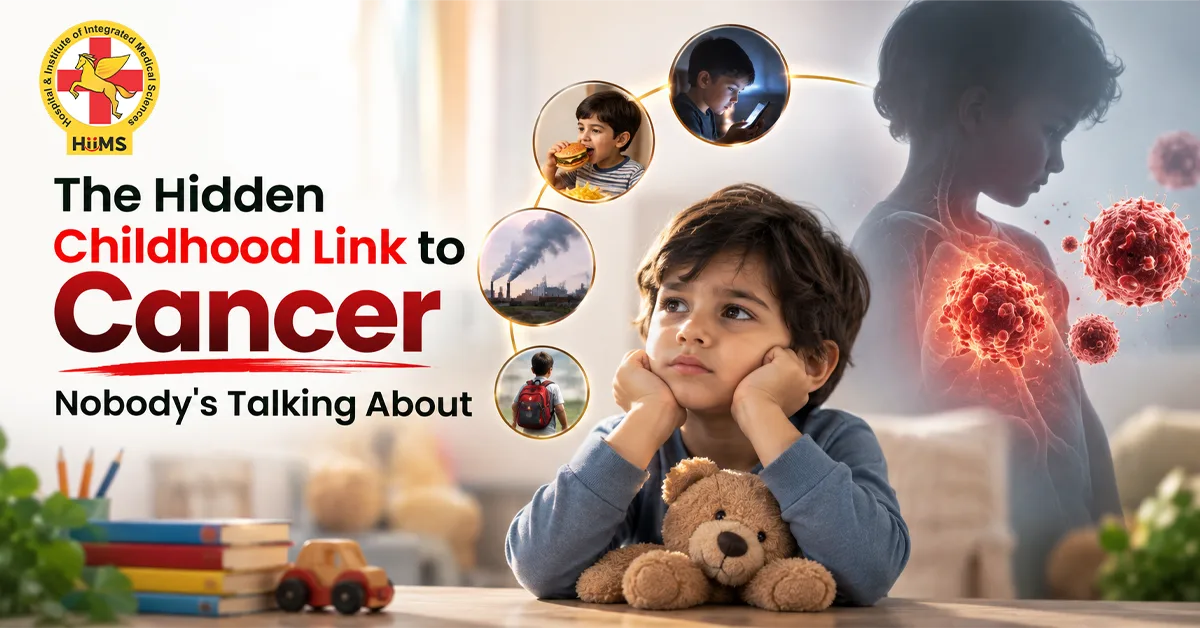
What is remarkable about this trend is the focus of scientists on not just the lifestyles of adults. In some scientific findings, it has been proposed that, in some cases of cancer, modifications occurring during early childhood may have a significant impact on development decades before cancer is detected. This finding has also raised concerns about childhood cancer risk among scientists investigating early-life conditions, diet, etc.
This does not mean that childhood automatically causes cancer later in life. It means that the health environment during the early years of life may deserve more attention than it has received. Understanding these early influences may also help researchers learn more about childhood cancer risk and the factors that could be important for long-term health.
The Numbers Are Difficult to Ignore
Cancer among younger adults is not limited to one country or one type of cancer.
A large global study looking at 29 cancer groups found that early onset cancer cases increased by 79.1% between 1990 and 2019. Breast cancer had the highest number of cases among early-onset cancers in 2019, while colorectal cancer was among the cancers carrying a major health burden.
Research from England has also found increasing rates of several cancers among people aged 20 to 49. An analysis carried out in 2026 showed 11 cancer sites to have increased incidences in young people. Also, it was established that the known risk factors such as tobacco smoking, drinking of alcohol, obesity, lack of exercise, intake of red meat and processed meats, and low-fibre diets could be responsible for the increased incidence in some cancers.
This is significant because it proves that there is no one cause for the increase.
Diet, alcohol, tobacco, body weight, physical activity, and other lifestyle factors matter. At the same time, researchers are investigating other possible factors, including changes that may begin much earlier in life.
Root causes linked to childhood habits and later cancer risk
Diet and weight
Poor diet and excess body weight in childhood are the most consistently supported links. Childhood BMI and blood glucose levels were directly associated with adult cancer mortality in long-term studies tracking over 21,000 children into adulthood. Childhood overweight that persists into adulthood was specifically tied to esophageal, gastric, and colon cancer.
Early bacterial/microbial exposure
This is the colibactin/E. coli connection from earlier certain gut bacteria strains encountered in early childhood may imprint DNA mutations that surface as cancer decades later. A parallel example is H. pylori, a bacterium more common in disadvantaged households that raises stomach cancer risk.
Lack of physical activity
Being sedentary from an early age will continue to accumulate and can lead to an increased risk of developing colon, breast, ovarian, and kidney cancer in adulthood.
Environmental and socio-economic exposure
Growing up in poverty and bad living conditions regardless of your diet was associated with a greater lifetime risk of cancer and mortality due to cancer through pollution, worse access to health care, and cumulative stress on the body.
Processed and packaged foods
Ultra-processed foods include preservatives, additives, too much sodium, and unhealthy fats. Eating packaged snacks, instant noodles, sugary beverages, and processed meats has been shown to increase the risk of colon and stomach cancer. Adopting this behaviour as a child is even more dangerous because you can keep doing this throughout your adult life.
Sugar and artificial sweeteners (high intake)
High-sugar drinks and snacks trigger obesity starting in childhood, which is itself an established cancer risk factor.
Exposure to secondhand tobacco smoke
The presence of smoking in the family increases the chances of developing cancer, particularly lung cancer and other cancers, even though the child might never be a smoker.
Exposure to radiation
Children who are repeatedly exposed to high levels of X-rays and ultraviolet rays from the sun are at an increased risk of cancers such as melanoma developing when they are adults.
Alcohol exposure through family environment
Some studies suggest children raised in households with regular alcohol use show a slightly elevated risk of liver and other cancers later on, though this link isn’t as strong as the diet/poverty connection.
Your child’s diet, weight, activity level and family history can all shape long-term health. Our specialists can guide you on healthy eating, weight management, and whether screening or a health check-up is right for your family.

Why Might Early Childhood Gut Health Matter?
Researchers do not yet have one confirmed answer. Several possible explanations are being studied.
Changes in the development of gut bacteria
The gut microbiome begins developing from the earliest stages of life. Birth, feeding patterns, food choices, infections, medicines, and the surrounding environment can all influence how the gut microbial community develops.
Caesarean births
Researchers are studying whether changes in the way babies are delivered may influence the early development of gut bacteria. Caesarean birth can result in differences in early microbial exposure compared with vaginal birth, although its long-term relationship with cancer risk is not established.
Breastfeeding patterns
Breastfeeding can influence the development of the infant gut microbiome. Researchers are interested in how changes in breastfeeding patterns may affect long-term gut health. However, breastfeeding should not be presented as a guaranteed way to prevent cancer.
Antibiotic exposure
Antibiotics can change the composition of gut bacteria. This is one reason researchers are studying whether repeated or unnecessary antibiotic exposure during childhood could have longer-term effects on the gut microbiome.
Antibiotics remain important medicines when medically needed. The point is not to avoid necessary treatment but to use such medicines appropriately.
Childhood diet
Food choices can influence the gut microbiome. Diets dominated by packaged and ultra-processed foods may provide less fiber and fewer naturally occurring nutrients than diets containing a wider variety of fruits, vegetables, whole grains, and pulses.
Researchers are still studying how these early dietary patterns might influence gut health over the long term.
What Does This Mean for Childhood Cancer Risk?
The phrase “childhood cancer risk” is misleading in this context.
The work that has been discussed here is concerned with the chance that exposure in childhood may impact the risk of developing cancer in the far future when people become adults. It does not imply that any child, who has been exposed to a specific food, antibiotic, or a bacterium, is at risk of having cancer.
The development of cancer is always a multifactorial process.
That is why childhood cancer prevention and supporting healthy development during childhood should be discussed carefully. There is no single diet, routine, or natural practice that can guarantee prevention of cancer.
What parents can do is focus on the basics that support overall health: nutritious food, adequate sleep, physical activity, good hygiene, appropriate medical care, and avoiding unnecessary exposure to tobacco smoke and other known harmful substances.
What Should Adults Watch For?
If you are in your 20s, 30s, or 40s, this research is not a reason to live in fear. It is a reason to pay attention to persistent changes in your body.
Digestive symptoms that continue or keep returning should not simply be ignored because of age.
Some warning signs that should be checked out by a doctor include:
- Changes in bowel habits
- Bloody stools
- Weight loss without reason
- Fatigue or weakness
- Pain in the abdomen
- Lumps anywhere on the body
- Any change in an existing mole
These may or may not be a sign of cancer. They can occur because of many other conditions. But persistent or unusual symptoms deserve proper evaluation rather than being dismissed because someone is young.
For colorectal cancer, screening recommendations have also changed in some countries. In the United States, according to the US Preventive Services Task Force, average-risk adults should get screened for colorectal cancer from age 45. Depending on the country and personal risk factors, screening recommendations may differ.
Not sure when you should be screened? Screening age and tests depend on your family history and personal risk.

What Acharya Manish Ji Recommends for Long-Term Health
The recent research on early life health and the gut microbiome is still developing. Alongside this scientific discussion, Acharya Manish Ji has long emphasised the importance of daily habits, food choices, digestion, sleep, and natural routines as part of a long-term wellness approach.
Dip Diet: Focusing on Fresh and Natural Foods
The Dip diet by Acharya Manish Ji places emphasis on simplicity and naturalness in food. This method considers seasonal fruits and vegetables, salads, sprouts, grains, and home-cooked foods as important foods. It also limits consumption of packaged foods, processed and deep-fried foods.
The reason for this method is to facilitate digestion and develop good eating habits. Moreover, consuming more of plant foods and less processed foods will help in maintaining an optimum body weight, which will be very helpful when one is trying to reduce chances of having cancer, since being overweight or obese is considered as a risk factor in developing various types of cancer.
Nevertheless, the Dip diet can only be viewed as a way of living and eating nutritious foods, rather than a scientifically proven treatment and prevention mechanism for cancer. Currently, there is no evidence from cancer studies suggesting that a certain diet prevents cancer.
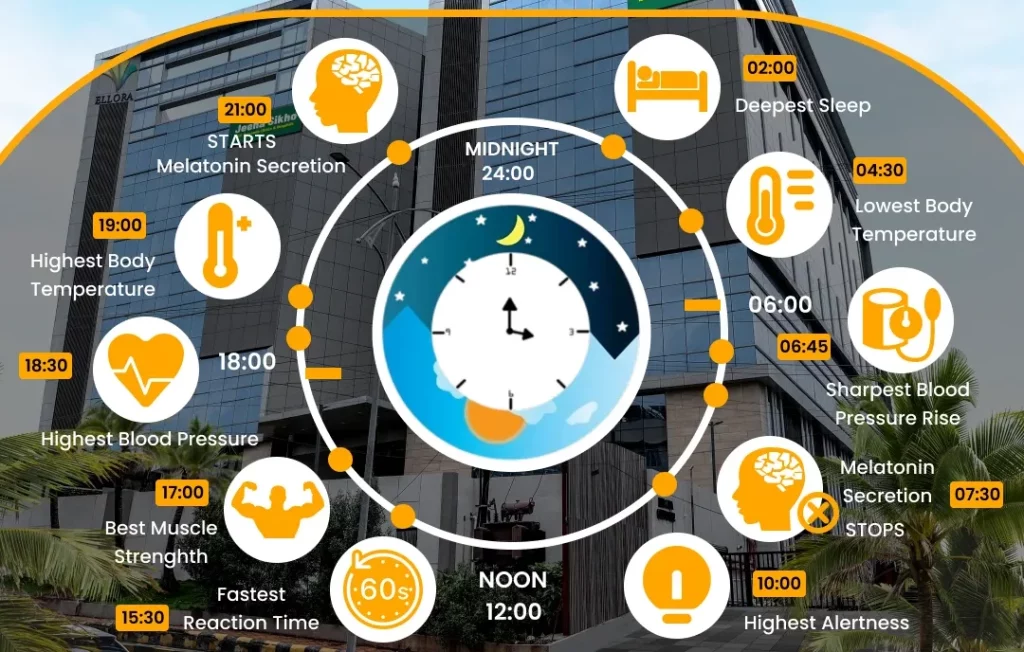
Circadian Clock: Keeping the Body’s Daily Rhythm in Balance
There is an inherent 24-hour cycle within the body, which is called the circadian rhythm. Sleep, alertness, hormones, metabolism and various other bodily functions have a connection with the internal clock.
In Acharya Manish Ji’s method, one needs to pay heed to regularity of sleep and wake time, natural exposure to sunlight during daytime and less exposure to artificial light at nighttime. One should eat on schedule and refrain from having dinner too often late at night.
This is significant for cancer prevention, since scientific research is being done to understand the link between circadian rhythm, metabolism and cancer development. Presently, there is some study being done by the National Cancer Institute on the effect of time-restricted feeding and circadian clocks on cancer development. This area still requires further research, and keeping one’s internal clock regular should not be seen as a way to prevent cancer.
Zero Volt Therapy: Connecting With Nature
Zero Volt Therapy, also described as grounding or earthing, involves spending time in direct contact with natural ground, such as walking barefoot on grass or soil. At HiiMS, this practice is included as part of a natural lifestyle approach.
The idea is to use simple contact with nature as a way to slow down, relax, and become more physically active. A short barefoot walk outdoors can also encourage people to spend time away from screens and daily stress.
As far as cancer prevention is concerned, it is necessary to be realistic about this claim. There is no scientific proof strong enough to prove that grounding does not cause cancer or can prevent any physiological changes caused by cancer. Instead of being viewed as a treatment modality for cancer prevention, it is better seen as an activity promoting wellness.
Autophagy: Understanding the Body’s Natural Recycling Process
Autophagy is a biological process within the cell where it degrades and recycles dysfunctional or excess cellular components. In simple terms, it is similar to the body’s own cellular recycling mechanism.
Fasting and intermittent eating are being researched for their potential to impact the metabolic pathways that affect autophagy. There is interest in how alteration in these pathways might play a part in preventing or treating cancer. The National Cancer Institute is researching the impact of time-restricted eating on cancer outcomes through processes such as autophagy.
This does not mean that fasting or increasing autophagy will prevent cancer in humans. The cancer cells may use autophagy to help sustain themselves in particular situations.
Where Does Ayurveda Fit Into Cancer Awareness?
Ayurveda traditionally gives considerable attention to digestion, food habits, daily routines, and maintaining balance in the body.
At Jeena Sikho HiiMS, the approach to wellness brings together Ayurveda, diet and lifestyle guidance, and other traditional practices according to individual needs. The focus is on understanding the person’s overall routine and supporting healthier habits rather than looking at one symptom in isolation.
For someone already living with cancer, these approaches should not be presented as a replacement for medically indicated cancer care. Any Ayurvedic or natural approach should be discussed responsibly alongside the person’s existing care plan.
Similarly, no Ayurvedic product, therapy, or cancer medicine should be promoted as a guaranteed way to prevent, cure, or reverse cancer.
The more useful role of Ayurveda here is to encourage attention toward food, digestion, sleep, daily routine, and overall well-being while keeping appropriate medical evaluation in place.
Supportive Nutrition During Cancer Care
During cancer care, changes in appetite, digestion, bowel habits and energy levels can sometimes occur. Therefore, paying attention to overall nutrition and daily wellbeing can also be an important part of supportive care.
Jeena Sikho’s Cancer Care Support Combo is a complementary wellness option that includes Can Care Juice, Gut Care Juice, Swaranfalam Amrit Sea Buckthorn Juice, Pet Yakrit Pleeha Shuddhi Kit, Pure Shilajit Capsules and Triphala Ras Juice. The combination is intended to provide nutritional, digestive, bowel regularity and everyday wellness support during demanding routines.
This combo should not be considered a treatment or cure for cancer. People undergoing cancer care should consult their treating oncologist or a qualified healthcare professional before using herbal products alongside their existing care, as some ingredients may not be suitable with certain medicines or treatments. If you want to explore nutrition and daily wellness support options during cancer care, you can learn more about the Jeena Sikho Cancer Care Support Combo.

Conclusion
The most important message from this emerging research is not fear. It is awareness.
Cancer in younger adults is a real area of scientific concern, and researchers are still trying to understand why some cancer types are becoming more common at younger ages. Global studies have identified increases in early-onset cancers, while newer research is exploring how lifestyle, environmental factors, and possibly early life changes in the gut may contribute.
The colibactin findings are especially interesting because they raise the possibility that some DNA changes linked with colorectal cancer may have their roots much earlier in life. But this is still an active area of research, not a final explanation for childhood cancer risk or adult cancer.
The bottom line for families is easy to understand. Cultivate good health from the start by eating right, exercising, sleeping well, and using medications responsibly. As far as adults are concerned, be mindful of any prolonged bodily changes without jumping to the conclusion that one’s youth means it is impossible to have cancer.
For those seeking an Ayurvedic approach at Jeena Sikho HiiMS, one will be able to receive personalised wellness tips and the right treatment too. Consultation with the VOPD can help one get an idea of what wellness approaches will suit him or her.
FAQs
Q1. Can gut health in childhood impact the likelihood of developing cancer in the future?
Researchers are investigating this question. In their studies on colon cancer, they discovered the prevalence of specific patterns of DNA mutations connected with the bacteria-produced compound called colibactin. The researchers hypothesise that contact with colibactin-producing bacteria happens in early childhood. However, this information does not prove the existence of direct causation between unhealthy gut health in childhood and cancer development in the future.
Q2. In case a person has E. coli bacteria in their gut, is it more likely to have cancer?
No. E. coli bacteria can be found naturally in the gut flora of some people. What is studied is the specific types of these bacteria which produce colibactin. Having E. coli bacteria in the gut doesn’t mean that a person will have cancer.
Q3. Is there any specific diet that can prevent cancer?
There is no single diet that could be considered as cancer protection. However, a healthy diet can provide all necessary nutrients and prevent contact with several known dietary factors of cancer development.
Q4. Should young adults have cancer on their minds?
Young people do not need to be afraid of developing cancer all the time. But regardless of age, no one can afford to turn a blind eye to certain symptoms that occur constantly. Changes in bowel movement patterns, blood in faeces, unexplained weight loss, or digestive complaints should be addressed by the person with a healthcare practitioner.
Q5. Is it possible to manage cancer with Ayurveda?
An individual can use the services of an Ayurvedic practitioner as a support programme in his/her case, but no one should guarantee any positive results or substitute cancer treatment with Ayurveda. People with cancer should inform their doctors about any herbs, diets, and other treatments in advance.
Ayurvedic Cancer Care Products
100% natural, certified Ayurvedic formulations crafted for targeted cancer wellness.


Disclaimer: The information provided on this blog is for general educational and informational purposes only. It is not intended to replace professional medical advice, diagnosis, or treatment. Always consult a qualified healthcare professional before making any changes to your diet, lifestyle, or treatment plan. Individual results may vary.