
Our body does not always give a loud warning when something is changing. Sometimes, small changes such as feeling tired more often, eating less, or losing weight may seem like ordinary effects of a busy routine. Because these signs can have many different causes, they are easy to ignore.
The same can happen with liver problems. Cirrhosis develops when the healthy liver tissue is replaced by scar tissue over time, which can gradually affect the liver’s normal functions. One important point is that cirrhosis may cause no noticeable symptoms in its early stages. When symptoms do appear, they can begin with changes that seem unrelated to the liver.
Knowing these early signs of liver cirrhosis can help you recognise when it may be worth speaking with a healthcare professional.
What Causes Liver Cirrhosis?
Cirrhosis is an end-stage condition that results from a variety of chronic diseases of the liver. Some examples of the conditions include chronic hepatitis B or C, liver disease due to alcoholism, and metabolic disorder liver disease, which is also called fatty liver disease. There are many other types of liver diseases. Knowing what causes the cirrhosis can be important, because the cause of the liver problem can be treated.
Why Can Early Cirrhosis Be Difficult to Notice?
The liver has a remarkable ability to continue working even when it has been damaged. This is one reason liver disease may remain unnoticed for some time. Liver cirrhosis symptoms can be mild at first and may overlap with common problems such as poor sleep, stress, digestive issues, or changes in appetite. That is why persistent or unexplained changes should not simply be ignored.
5 Early Signs of Liver Cirrhosis
These early signs of liver damage can sometimes appear as subtle changes in your everyday health. Since they may have other causes too, persistent symptoms should not be ignored.
1. Persistent Fatigue and Weakness
Fatigue or feeling exceptionally weak is often the initial symptom experienced by many patients suffering from cirrhosis. This fatigue does not go away despite having sufficient rest, performing daily tasks becomes exceptionally strenuous for them. Fatigue and weakness are recognised early symptoms of liver cirrhosis, although they can occur with many other conditions too.
2. Loss of Appetite
A reduced interest in food can also occur with cirrhosis. It is quite possible that your regular food items do not tempt you anymore or that you feel full by consuming less than you normally consume. Your appetite should definitely be taken into consideration if there are any accompanying signs.
3. Unexplained Weight Loss
Unexpected loss of weight is another possible sign of liver cirrhosis, as the disease may be related to poor appetite, muscle wasting and malnutrition problems that result in unexpected weight loss.
4. Nausea or Mild Abdominal Discomfort
Nausea, vomiting or slight abdominal pain in the upper right part of the abdomen, where the liver is placed, are among the liver cirrhosis symptoms. These symptoms are not specific for liver cirrhosis, however, the persistent feeling should be consulted with a doctor.
5. Easy Bruising or Bleeding
Easy bruising, or bleeding caused by minor injuries, may be caused by liver cirrhosis that impacts the ability of the body to manage blood coagulation.

What Other Symptoms Can Appear as Cirrhosis Progresses?
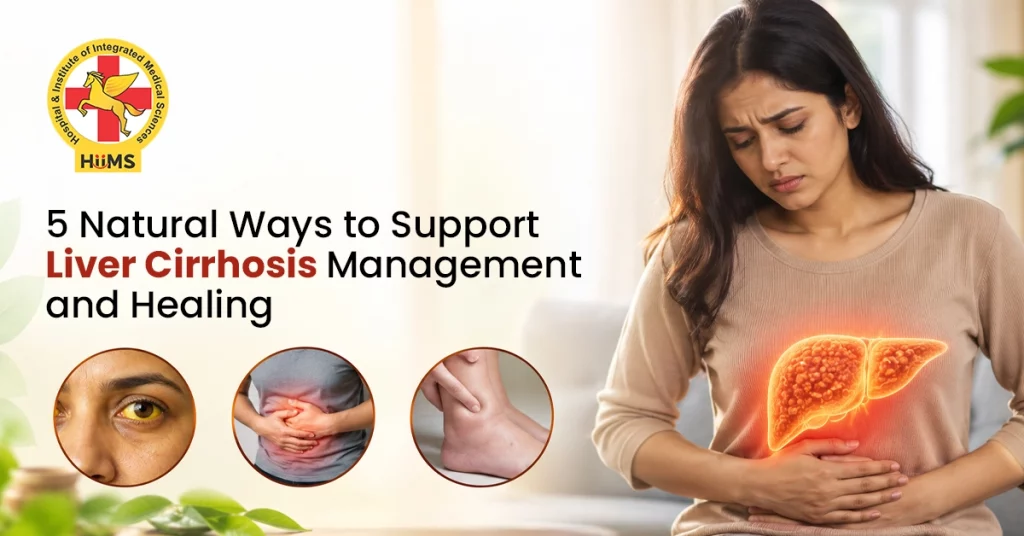
In cases of increased damage to the liver, signs may manifest in the form of yellowing of the skin or whites of the eyes, swollen abdomen or legs, itchy skin, blood vessels resembling spiders, dark-coloured urine, confusion, and bleeding from the gastrointestinal tract.
When Should You Get Your Liver Checked?
Do not wait for severe symptoms before seeking medical advice. Persistent fatigue, unexplained weight loss, ongoing appetite loss, repeated nausea, unusual bruising, or other changes that concern you should be evaluated.
Cirrhosis can be diagnosed by using a combination of patient history, physical examination, laboratory tests, and imaging procedures. Sometimes, more tests will be required in order to know the extent and cause of the liver damage.
Conclusion
Knowing the early signs of liver cirrhosis can help you take persistent changes more seriously, but symptoms alone cannot confirm cirrhosis. Fatigue, appetite loss, unexplained weight loss, nausea, and easy bruising may occur with liver disease, but they can also have many other causes. For individual assessment of your health issues, you may take the benefit of an individual approach at Jeena Sikho HiiMS, which will help you understand what kind of Ayurvedic and lifestyle support you need.

FAQs
1. Is it possible that cirrhosis does not show any symptoms initially?
Yes, it is possible since people may have cirrhosis without symptoms because of the late diagnosis of liver problems.
2. Does fatigue indicate liver cirrhosis?
Fatigue has many causes. Only persistent, unexplained fatigue and fatigue together with other symptoms become relevant in terms of diagnosing liver problems.
3. Is it possible that weight loss has something to do with liver cirrhosis?
It is possible since weight loss results from loss of appetite and muscle mass and other nutritional disorders.
4. Can blood tests detect liver cirrhosis?
Yes, blood tests may detect liver damage and malfunction, but additional examinations will be necessary for diagnosing cirrhosis and its causes.
5. Is cirrhosis reversible?
The process of scarring in the liver is irreversible, but early treatment of the cause may prevent additional damage.
Disclaimer: The information provided on this blog is for general educational and informational purposes only. It is not intended to replace professional medical advice, diagnosis, or treatment. Always consult a qualified healthcare professional before making any changes to your diet, lifestyle, or treatment plan. Individual results may vary.