
Cancer is a serious health condition that can affect almost any part of the body. It begins when some cells start growing in an abnormal way and continue multiplying when they should normally stop. In some cases, these cells can move from their original place to other parts of the body. Cancer is not one single disease. There are many types, and each type can behave differently. Understanding the condition, its possible warning signs, diagnosis, and cancer treatment can help people make better health decisions. The chances of better outcomes are often higher when a problem is noticed early and checked properly.
Learning about warning signs of cancer is important because changes in the body should not always be ignored. An unusual lump, unexplained weight loss, long-lasting tiredness, unusual bleeding, or a cough that does not settle may have many possible causes, but they deserve attention when they continue.
Understanding cancer causes is also important because cancer can develop due to several different factors. Diagnosis and care may vary depending on the type and stage of the condition. Along with proper care, attention to food, sleep, movement, emotional wellbeing, and daily routine can also support overall health.
What Is Cancer?
Cancer is a group of diseases in which some cells in the body begin to grow in an unusual way. Normally, cells grow, divide, do their work, and stop when they are no longer needed. In cancer, this normal process can become disturbed, causing cells to continue growing when they should not.
How Do Abnormal Cells Grow and Multiply?
Abnormal cells can keep multiplying without following the normal signals that control healthy cells. Over time, these cells may collect together and form a mass called a tumour. However, not every tumour is cancer. Some tumours are non-cancerous and may not spread to other parts of the body.
How Can Cancer Spread to Other Parts of the Body?
In some cases, cancer cells can move away from where they first developed and reach nearby tissues or other organs. When cancer spreads to a different part of the body, it is called metastasis. The way cancer grows and spreads can vary depending on its type and stage.
What Is the Difference Between Benign and Malignant Growths?
A benign growth is generally non-cancerous and does not usually spread to other parts of the body. A malignant growth is cancerous and can grow into nearby tissues or spread to distant organs. This difference is important because malignant growths may require closer evaluation and appropriate care.
What Are the Types of Cancer?
Cancer can occur in any part of the body and is often named for the organ or tissue in which it begins. Some typical types are:
| Type of Cancer | Overview |
| Breast Cancer | It develops in the breast tissue and may cause a lump, changes in breast shape, skin changes, or changes around the nipple. |
| Lung Cancer | It begins in the lungs and may be linked with a persistent cough, breathing difficulty, chest discomfort, or coughing up blood. |
| Colorectal Cancer | It affects the colon or rectum and may cause changes in bowel habits, blood in the stool, abdominal discomfort, or unexplained weight changes. |
| Prostate Cancer | It develops in the prostate gland and may cause changes in urination, especially in older men. |
| Skin Cancer | It may appear as a new growth on the skin or as a noticeable change in an existing mole or skin area. |
| Liver Cancer | It develops in the liver and may be associated with weight loss, reduced appetite, abdominal discomfort, or yellowing of the skin and eyes. |
| Kidney Cancer | It develops in the kidneys and may sometimes cause blood in the urine, pain in the back or side, or unexplained weight loss. |
| Blood Cancers | These include leukemia, lymphoma, and myeloma. They affect blood-forming tissues or certain cells involved in the body’s defence system. |
The signs, progression, and care needs can vary greatly from one type of cancer to another. The location of the cancer and the stage at which it is found also play an important role in deciding the appropriate approach.
What Are the Symptoms of Cancer?
Our body can sometimes show small changes when something is not going normally. One symptom alone does not mean a person has cancer, though. There are many other health problems that can cause the same kind of changes. The main thing is to notice when a symptom is new, unusual, persistent, or slowly getting worse.
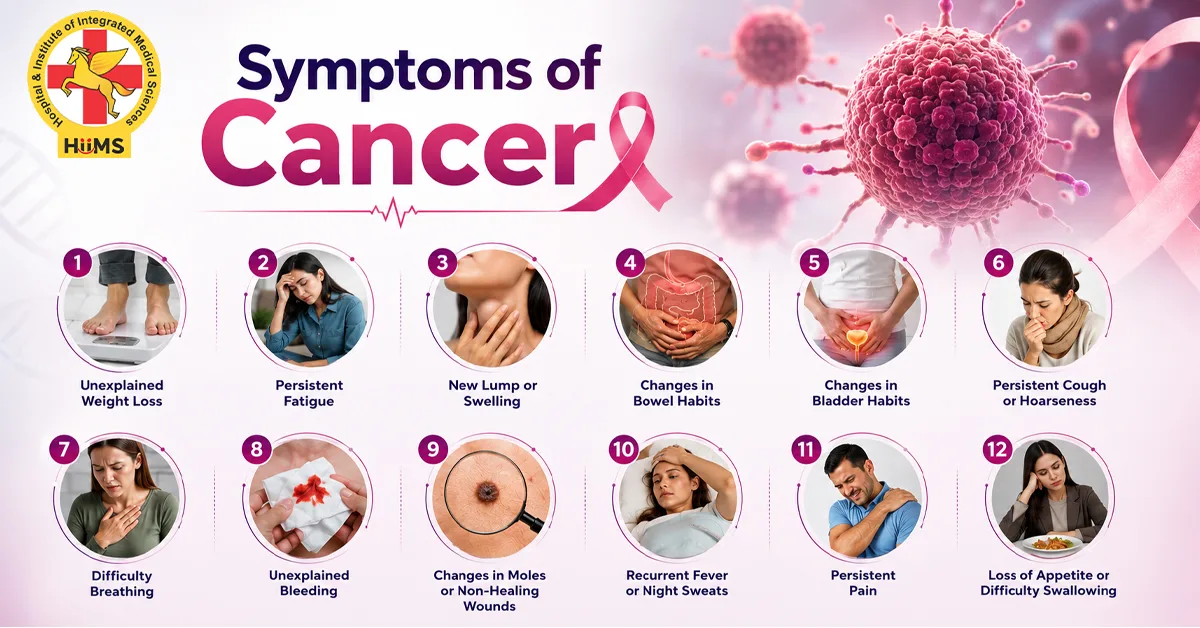
Some of the possible warning signs include,
- Unexplained weight loss even though there has been no change in diet or exercise.
- Tiredness that remains for a long time and does not improve with proper rest.
- A new lump or swelling in the breast, neck, underarm, abdomen, or another area of the body.
- Changes in bowel movements, such as ongoing constipation, diarrhoea, or blood in the stool.
- Changes in bladder habits or blood in the urine.
- A cough or hoarse voice that continues for several weeks.
- Difficulty breathing or breathing discomfort that keeps coming back.
- Bleeding without a clear or obvious reason.
- Changes in a mole, unusual skin growth, or a wound that does not heal properly.
- Repeated fever or night sweats without a clear reason.
- Pain that continues without knowing what is causing it.
- Changes in appetite or difficulty swallowing.
These cancer symptoms are not specific to cancer and can occur with infections, digestive problems, hormonal changes, injuries, and other conditions. So, noticing one of these signs should not immediately cause fear. But if the change stays for several weeks or becomes worse, it is better to speak with a healthcare professional.
What Causes Cancer?
There is usually no single answer to the question of what causes cancer. Cancer can develop when changes occur inside cells and affect the way those cells grow and multiply. These changes may develop over time because of inherited factors, ageing, lifestyle habits, infections, or exposure to certain harmful substances.
Some important factors include,
- Family history: Some people inherit changes in genes that can increase their risk of certain cancers.
- Tobacco: Smoking and other forms of tobacco use are among the most important avoidable risk factors.
- Alcohol: Regular alcohol consumption can increase the risk of several cancers.
- Certain infections: Some long-lasting infections, including certain types of human papillomavirus and hepatitis viruses, are linked with particular cancers.
- Sun exposure: Too much ultraviolet radiation can damage skin cells and increase the risk of skin cancer.
- Workplace and environmental exposure: Certain chemicals, air pollution, radiation, and other harmful exposures may increase risk.
- Lifestyle and diet: Lack of physical activity, excess body weight, and an unhealthy diet can contribute to cancer risk.
Age is also an important factor because the body has more time to accumulate cell changes as a person grows older.
So, cancer causes are often a mixture of several influences rather than one particular food, habit, or event.
When Should I See My Doctor?
If a change in your body continues, gets worse, or feels unusual, it is better to seek professional advice. Some signs that should not be ignored include,
| Changes to Look Out For | Examples |
| New lumps or swelling | A newly noticed lump or unexplained swelling in any part of the body. |
| Unexplained bleeding | Bleeding that occurs without an obvious reason or does not settle. |
| Unusual weight changes | Losing a significant amount of weight without changing your diet or physical activity. |
| Persistent cough or voice changes | A cough or change in the voice that continues for several weeks. |
| Wounds that do not heal | A sore or wound that remains for a long time without healing properly. |
| Changes in bowel or bladder habits | Long-lasting changes in bowel movements, urination, or other usual body functions. |
| Persistent pain | Pain that continues or keeps returning without a clear reason. |
Importance of Discussing Personal and Family History
When speaking with a healthcare professional, it is useful to share your personal health history as well as any history of cancer in your family. This information can help them understand possible risk factors and decide whether any further checks may be appropriate.
Why Is Early Medical Evaluation Important?
Getting checked early does not mean that cancer will always be found. Many of the changes mentioned above can happen because of other health conditions. However, when a symptom continues or becomes unusual, early evaluation can help identify its actual cause and prevent unnecessary delay in getting the right care.
How Is Cancer Diagnosed?
There is no single test that can identify every type of cancer. The process usually begins with a discussion about the person’s health history and a physical examination. Depending on the findings, a healthcare professional may suggest further tests.
| Diagnostic Method | What It Helps With |
| Blood and Laboratory Tests | These tests provide information about general health and may show changes that need further investigation. |
| Imaging Tests | X-rays, ultrasound, CT scans, and MRI scans can help doctors look at organs and tissues inside the body. |
| Endoscopy | A small camera may be used to look inside certain parts of the body, such as the digestive tract, when needed. |
| Biopsy | A small tissue sample is taken and examined under a microscope. This can help confirm whether cancer cells are present. |
| Staging | When cancer is confirmed, further tests may help determine its size, location, and whether it has spread to other parts of the body. |
It is important not to rely on symptoms, online information, or home tests to diagnose cancer. A proper diagnosis requires appropriate tests and assessment by qualified healthcare professionals.
How Is Cancer Treated?
The choice of cancer treatment depends on several factors, including the type of cancer, its stage, location, overall health, and individual needs. There is no single approach that is suitable for every person.
Depending on the condition, conventional cancer care may include:
Modern cancer treatments
- Surgery: The affected tissue may be removed when appropriate.
- Chemotherapy: Certain medicines are used to affect rapidly growing cancer cells.
- Radiation therapy: Carefully planned radiation may be used to affect cancer cells in a particular area.
- Immunotherapy: This approach helps the body’s immune system recognise and respond to certain cancer cells.
- Targeted therapy: These medicines are designed to act on particular changes associated with some cancers.
- Hormone therapy: Some cancers depend on certain hormones for growth, so medicines may be used to reduce or block their effects.
- Combination care: More than one approach may sometimes be used as part of the overall care plan.
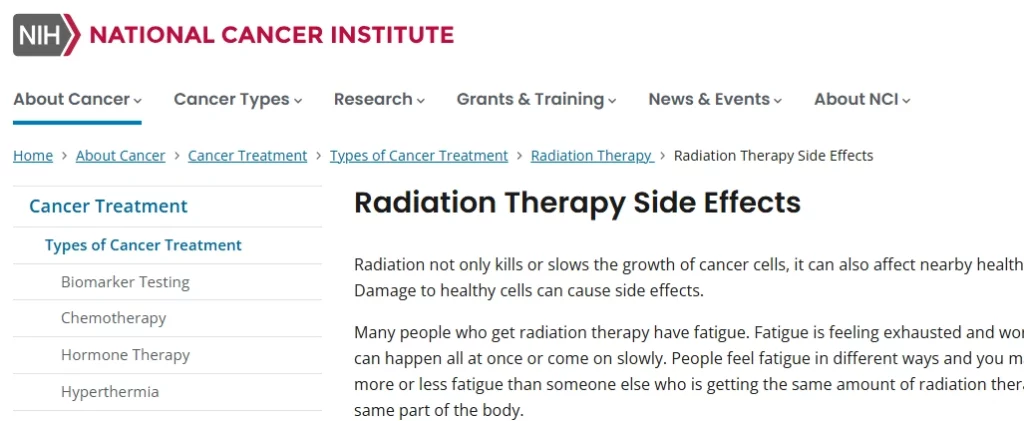
These approaches can be helpful for many people, but they may also cause unwanted effects. Depending on the type of care, a person may experience tiredness, nausea, changes in appetite, pain, skin changes, hair loss, or other effects. The experience is different for every person, and side effects should be discussed with the treating healthcare team.
Modern Treatment Consequences
Ayurvedic Support in Cancer Care
Ayurveda looks at health from a broader perspective and gives importance to digestion, food, daily routine, sleep, movement, mental wellbeing, and overall balance.
At Jeena Sikho HiiMS, Ayurvedic support may be planned according to the person’s condition, strength, digestion, lifestyle, and individual needs.
Some approaches that may be considered include:
- Golden Therapy: An herbal-based external therapy using pastes prepared from banyan leaves, bitter gourd, guava leaves, neem leaves, peepal leaves, doob grass, and raw turmeric, which are carefully pressed onto the soles of the feet.
- Cancer Detox Juice: A natural juice prepared using selected green leaves, vegetables, herbs, raw turmeric, ginger, gooseberry, beetroot, and alkaline water as part of a structured wellness routine.
- Autophagy Support: A controlled eating routine that gives the digestive system periods of rest and focuses on suitable meal timing according to individual needs.
- Herbal Support: Selected herbs and Ayurvedic formulations may be included to support digestion, nutrition, daily vitality, and overall wellbeing.
- Lifestyle Support: Food choices, yoga, breathing practices, proper rest, stress management, and suitable daily routines may be included as part of individualised supportive care.
The aim of these approaches is to support overall wellbeing and help a person maintain a healthier routine during a difficult phase of life. Ayurvedic therapies and herbal formulations are selected according to individual needs, health condition, digestion, and lifestyle. Therefore, they should be used under the guidance of a qualified practitioner and discussed with the treating healthcare team.
Learn More Through the Cancer Webinar
For those who want to learn more about cancer awareness and Ayurvedic perspectives, Acharya Manish Ji conducts free webinars that focus on important health concerns. His cancer webinar, “Cancer Awareness: Know the Signs, Know the Solutions,” offers an opportunity to learn more about cancer and ask questions directly during the session. To join the cancer webinar by Acharya Manish Ji, you can click below.

Understanding Cancer Treatment Side Effects and Complications
Different types of cancer treatment can affect people in different ways. Some people may experience several side effects, while others may have only a few. The effects can also depend on the type of care, its duration, and the person’s overall health.
Some commonly reported effects include:
- Tiredness and weakness
- Changes in appetite
- Nausea or digestive discomfort
- Changes in taste
- Hair loss with some forms of care
- Pain or discomfort
- Sleep problems
- Emotional stress, fear, or sadness
Why Do Side Effects Vary From Person to Person?
Side effects are not the same for everyone. They may depend on the type of cancer treatment, the amount and duration of care, the person’s general health, and how their body responds.
Why Is It Important to Inform Your Healthcare Team?
New or worsening symptoms should be shared with the healthcare team. This helps them understand how the person is responding and decide whether any changes in care or additional support may be needed.
When Is Supportive and Palliative Care Considered?
Supportive and palliative care may be considered when a person needs help with comfort, emotional wellbeing, pain, or other difficult symptoms. Such care can be helpful at different stages of serious illness and is not limited to the final stage.
Living With Cancer
Living with cancer can change a person’s daily life. The emotional part can sometimes feel as difficult as the physical side. Fear about the future, changes in routine, financial concerns, and uncertainty can affect both the person and their family.
Simple daily habits can help support general wellbeing:
- Eat balanced meals according to individual needs.
- Drink enough fluids unless a healthcare professional has advised a restriction.
- Keep some suitable physical movement in the routine.
- Give enough importance to sleep and rest.
- Practise simple breathing or relaxation exercises.
- Spend time with supportive family members and friends.
- Stay connected with people rather than dealing with everything alone.
- Attend follow-up appointments as advised.
- Consider professional counselling or a support group when emotions become difficult to manage.
Nutrition also deserves attention. A person going through cancer may have different food needs depending on their condition and the care they are receiving. A qualified nutrition professional can help create a suitable eating plan.
At Jeena Sikho HiiMS, the broader Ayurvedic approach gives importance to food, routine, digestion, rest, and overall well-being as part of supportive care. The focus should always remain on the individual rather than following the same routine for everyone.
Can Cancer Be Prevented?
Not every cancer can be prevented. Some factors, such as age and inherited changes, cannot be controlled. However, many known risk factors can be reduced through sensible daily choices. WHO estimates that a significant share of cancers can be prevented by avoiding known risk factors and following established prevention measures.
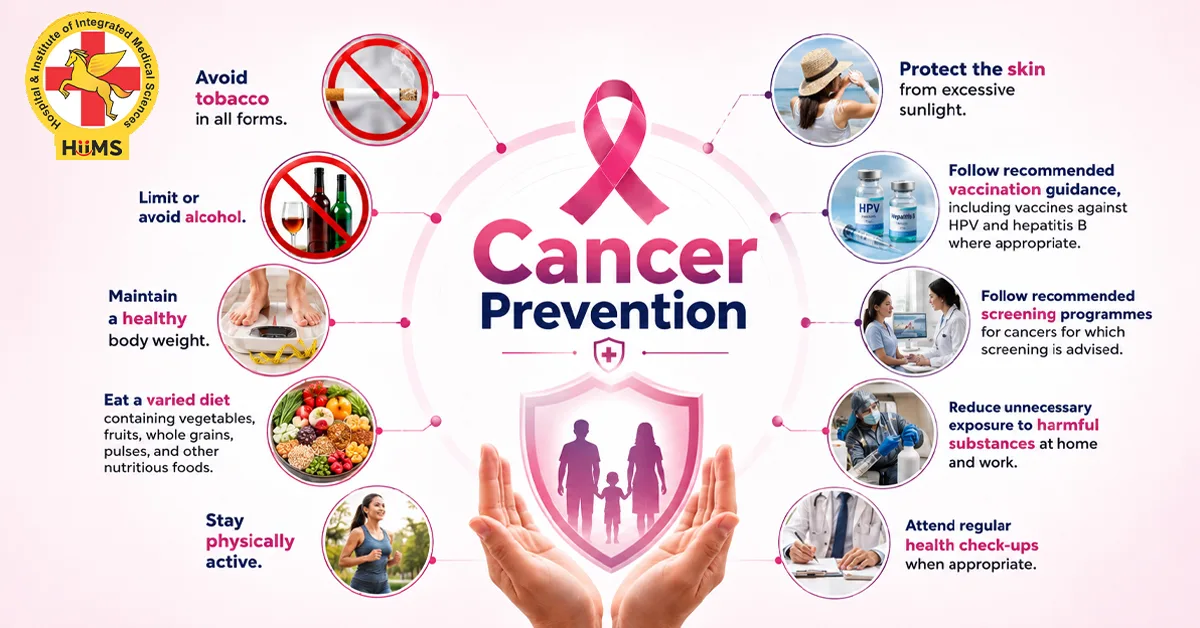
Important steps include:
- Avoid tobacco in all forms.
- Limit or avoid alcohol.
- Maintain a healthy body weight.
- Eat a varied diet containing vegetables, fruits, whole grains, pulses, and other nutritious foods.
- Stay physically active.
- Protect the skin from excessive sunlight.
- Follow recommended vaccination guidance, including vaccines against HPV and hepatitis B where appropriate.
- Follow recommended screening programmes for cancers for which screening is advised.
- Reduce unnecessary exposure to harmful substances at home and work.
- Attend regular health check-ups when appropriate.
These habits are useful not only for cancer prevention but also for general health. They should be seen as long-term habits rather than quick solutions.
It is also important to understand that living a healthy life does not give a person a complete guarantee against cancer. Healthy habits reduce certain risks, but they cannot remove every possible cause.
Ayurveda and Cancer Care: What Does Ayurveda Say?
Ayurveda is a traditional system of healthcare that has long placed importance on maintaining balance through food, daily habits, seasonal routines, rest, digestion, and lifestyle. When discussing cancer care, this approach can be considered mainly from a supportive well-being perspective.
Ayurvedic care may focus on:
- Choosing suitable foods according to the person’s condition and digestion.
- Maintaining a regular daily routine.
- Supporting proper rest and sleep.
- Practising suitable yoga, breathing, or relaxation methods.
- Managing daily stress.
- Maintaining digestive comfort.
- Giving individual attention rather than using the same plan for everyone.
Ayurveda gives importance to understanding the individual before suggesting herbs, formulations, dietary changes, Panchakarma, or other therapies. These approaches may be considered as a supportive part of a person’s overall cancer care, with the focus on suitable food, healthy daily habits, proper rest, digestion, stress management, and overall well-being. The approach is personalised according to the person’s condition, strength, digestion, lifestyle, and individual needs, so guidance from a qualified Ayurvedic practitioner is important.
For suspected or diagnosed cancer, proper evaluation and appropriate care are also important, while Ayurvedic herbs, supplements, Panchakarma, juices, and other therapies should be discussed with the treating oncology team, as some products or practices may affect cancer medicines. Used with proper guidance, Ayurveda can have a meaningful place in a person’s overall care and wellbeing.
Ayurvedic Cancer Care Support Combo
The Jeena Sikho Cancer Care Support Combo brings together Can Care, Gut Care, Sea Buckthorn Juice, Pet Shuddhi Kit, Pure Shilajit, and Triphala Ras in one structured Ayurvedic wellness routine. The combination includes ingredients such as wheatgrass, moringa, haridra, amla, bibhitaki, haritaki, sea buckthorn, and Shilajit, traditionally used in different Ayurvedic wellness preparations.
The combo focuses on areas such as digestive balance, everyday nutrition, antioxidant nourishment, immune support, bowel regularity, daily energy, and overall wellbeing. Each formulation has its own recommended usage and can be included in a structured routine according to individual needs and practitioner guidance.

Resources and Support
Reliable information can make a major difference when someone is dealing with cancer. The internet contains a large amount of information, but not all of it is correct. Claims about miracle cures, special diets, or one particular herb should be viewed carefully.
Useful sources of support
- Qualified healthcare professionals.
- Registered cancer care centres.
- Cancer support groups.
- Professional counsellors.
- Nutrition and rehabilitation services.
- Family members and trusted friends.
- Reliable health organisations and government health resources.
Reliable Resources
- World Health Organization (WHO): Provides general information about cancer, risk factors, prevention, early diagnosis, treatment and supportive care.
- National Cancer Institute (NCI): Provides information about cancer diagnosis, treatment, coping, support services and questions patients can ask their healthcare team.
- WHO Palliative Care: Provides information about supportive and palliative care for people living with serious illnesses and their families.
Conclusion
Cancer can affect different parts of the body, and its signs may not be the same for everyone. Knowing the possible symptoms and understanding the risk factors can help a person pay attention to changes in their health. If something unusual continues, getting it checked on time can make a real difference. The diagnosis and cancer treatment depend on the type, stage, and individual needs of the person.
There are also simple things a person can do as part of everyday care. Healthy food, some physical movement, enough sleep, stress management, and emotional support can all help support general well-being. These habits may seem small, but they can become meaningful when followed regularly. Ayurveda may also be considered as a complementary supportive approach with proper guidance and discussion with the treating healthcare team.
Jeena Sikho HiiMS focuses on Ayurvedic care considering patient condition, lifestyle, and overall wellness. If you want to understand which Ayurvedic support may be suitable for you, a VOPD consultation with a qualified practitioner can be considered before starting any herbal routine.

FAQs
Q1. What is cancer in simple words?
Cancer is a group of conditions in which some cells in the body begin to grow and multiply in an unusual way. These cells may form a tumour and, in some cases, spread to other parts of the body.
Q2. What are some common warning signs of cancer?
Common warning signs may include unexplained weight loss, unusual tiredness, new lumps or swelling, unusual bleeding, changes in bowel or bladder habits, a persistent cough, skin changes, and pain without a clear reason.
Q3. What types of cancer are commonly seen?
Some common types include breast cancer, lung cancer, colorectal cancer, prostate cancer, skin cancer, liver cancer, kidney cancer, and blood cancers such as leukemia, lymphoma, and myeloma.
Q4. Can lifestyle habits support a person living with cancer?
Healthy habits such as suitable physical activity, balanced food, proper sleep, stress management, relaxation, and maintaining social connections can support overall well-being and make daily life easier to manage.
Q5. Can Ayurveda be included in cancer care?
Ayurveda may be included as part of an individualised approach to overall care, with attention to food, digestion, daily routine, sleep, stress management, lifestyle, and general wellbeing. Guidance from a qualified Ayurvedic practitioner is important.
Disclaimer: The information provided on this blog is for general educational and informational purposes only. It is not intended to replace professional medical advice, diagnosis, or treatment. Always consult a qualified healthcare professional before making any changes to your diet, lifestyle, or treatment plan. Individual results may vary.