Taking proactive care of your heart is the most effective way to maintain long-term vitality. Your heart pumps oxygenated blood through a 60,000-mile network of blood vessels every day. However, metabolic imbalances, elevated blood pressure, chronic inflammation, and dietary choices can compromise arterial health.
In clinical medicine, what is commonly called a heart blockage is known as coronary artery disease (CAD) or atherosclerosis. This condition develops when cholesterol, inflammatory cells and calcium form fatty plaque inside the arteries that carry blood to your heart. The good news is that you can protect your heart naturally. By choosing fresh foods, staying active and managing daily stress you can keep your blood vessels clean and flexible before serious health issues start.
What Causes Heart Blockage and How Plaque Builds Up
Your blood vessels are smooth on the inside allowing blood to flow easily. However, high cholesterol levels, unmanaged high blood pressure, and harmful toxins can damage the inner lining of these vessels.
When damaged, bad cholesterol and metabolic waste start sticking to the vessel walls. Over many years, this sticky material hardens into plaque. A heart blockage grows very slowly without causing any pain in the beginning. Many people do not notice any warning signs until the blockage becomes large enough to reduce blood flow significantly.
- Eating deep-fried, heavily processed and sugary foods regularly.
- Sitting for long hours without daily physical activity.
- Chronic mental stress and lack of proper rest
- Smoking tobacco and consuming alcohol.
- High blood sugar levels that remain unmanaged.
Dietary Principles for Heart Blockage Prevention
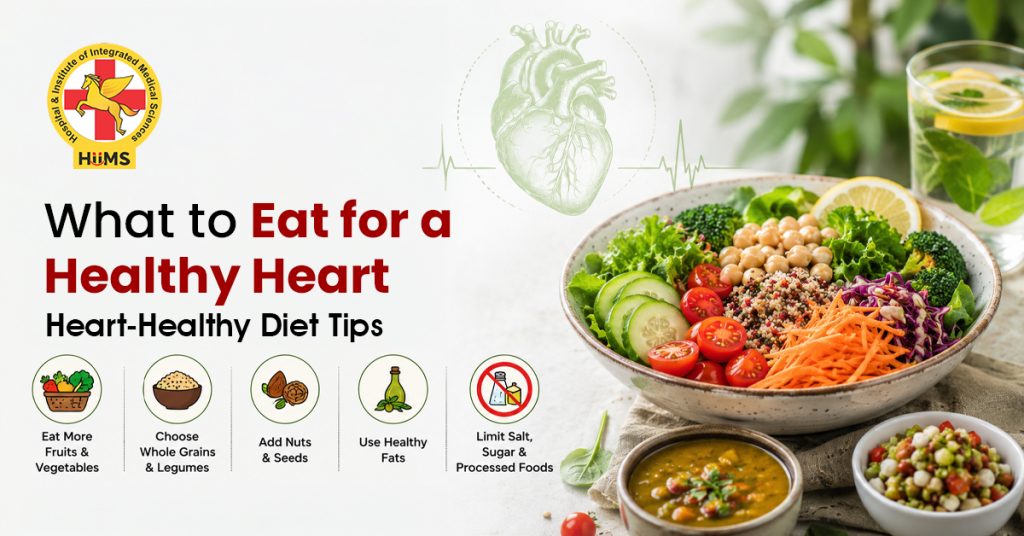
What you eat every day directly affects the health of your blood vessels. Switching to a healthy heart diet filled with fresh, unrefined foods helps remove excess bad cholesterol, reduces swelling in your blood vessels and supports smooth circulation.
Essential Foods to Include Every Day
- High Fibre Whole Grains: Foods like oats, barley, brown rice and whole wheat contain soluble fibre. Fibre acts like a natural broom that pulls extra cholesterol out of your digestive tract before it enters your blood.
- Green Leafy Vegetables: Spinach, fenugreek (methi), and kale contain natural compounds that relax your blood vessel walls and keep blood pressure stable
- Fresh Fruits: Berries, pomegranates, apples, and oranges are full of antioxidants. These natural nutrients prevent bad cholesterol from hardening inside your arteries.
- Healthy Plant Fats: Walnuts, flaxseeds, chia seeds, and cold-pressed oils contain good omega-3 fats that reduce internal inflammation.
- Drink Plenty of Warm Water: Staying hydrated throughout the day prevents your blood from becoming thick, allowing it to flow easily through your blood vessels.
Take the first step towards better heart health today. Make these healthy foods a part of your daily routine and support your body naturally. For personalised Ayurvedic guidance, consult the experts at Jeena Sikho HiiMS and learn how Ayurveda, diet, and lifestyle changes can support your overall heart wellness. Call now on 82704-82704.
Foods to Avoid
To support heart blockage prevention, you should limit deep-fried snacks, packaged fast foods, bakery items made with refined flour, sugary drinks, and processed meats. These items contain harmful trans fats and excess salt that raise blood pressure and damage your blood vessels.
Essential Lifestyle Changes for Heart Health
Eating good food is only one part of the prevention. Combining a healthy meal with daily habits keeps your circulatory system strong and flexible. Making simple lifestyle changes for heart health can improve your daily energy & keep your blood pressure stable.
- Get 30 Minutes of Daily Exercise: You do not need heavy weightlifting to protect your heart. A simple 30-minute brisk walk, light jog, swimming session, or bicycle ride every day keeps your blood moving smoothly and strengthens your heart muscle.
- Manage Stress: High mental stress triggers the release of stress hormones like cortisol which constrict your blood vessels and raise blood pressure. Practice daily pranayama, meditation and try for 7 to 8 hours of restful sleep every night.
- Quit Smoking and Tobacco: Tobacco smoke contains dangerous chemicals that directly damage the inner walls of your arteries, making it much easier for plaque to stick. Quitting tobacco is one of the fastest ways to lower your risk of a heart blockage.
Herbal Support For Natural Heart Care
Ancient healing systems have long used natural herbs and simple daily routines to protect cardiovascular wellness. Adding herbs for natural heart care to your daily routine works alongside regular medical checkups to support long term heart strength.
Garlic and Ginger – Eating a small piece of raw crushed garlic or fresh ginger in the morning helps thin the blood naturally, improves circulation and keep cholesterol levels balanced.
Arjun Bark – Arjun bark is a well known Ayurvedic herb that strengthen heart muscles, improves pumping capacity and protects blood vessel walls from damage.
Amla and Guggul – Amla is rich in natural vitamin C while guggul help lower bad cholesterol levels and clear metabolic waste from the bloodstream.
Natural Holistic Care at Jeena Sikho HiiMS
If you are looking for guidance on managing your heart health naturally, Jeena Sikho HiiMS offers a complete integrative approach. As a leading centre for natural healing HiiMS combines ancient Ayurvedic therapies, naturopathy and plant based diet to treat the root causes of arterial plaque.
Through specialised non-surgical protocols like Hriday Basti, Panchakarma detox, and Naturopathy, expert doctors help clear metabolic waste and improve blood circulation. Jeena Sikho HiiMS focuses on empowering your body to heal naturally and protecting your heart health.
Conclusion
Preventing a heart blockage does not require extreme diet restrictions or complicated medical routines. It means making small & smart choices every single day. By eating fresh fruits, vegetables and whole grains, moving every day, managing your stress, and using natural herbs, you give your body everything it needs to keep your blood vessels clean.
If you are seeking personalised care, visit Jeena Sikho HiiMS or you can also book a HiiMS VOPD (video consultation) to consult an Ayurvedic expert from home.

Take a step towards better heart health today. Focus on a balanced diet and healthy lifestyle habits, and consult the experts at Jeena Sikho HiiMS for personalised guidance on supporting your heart health naturally. Book your consultation today!
FAQs
1. How does natural heart care complement conventional medical guidance?
Natural heart care practices like herbal support, stress management and dietary changes work alongside your routine medical checkups to heal the underlying root cause of arterial stress safely.
2. Can an early-stage heart blockage be managed or stopped naturally?
Early-stage soft plaque accumulation can often be stabilised, and its progression slowed, by lowering LDL cholesterol, managing blood pressure, adopting a plant-rich diet, and exercising regularly.
3. What is the most important rule of a healthy heart diet?
The principle of a healthy heart diet is prioritising unrefined whole foods such as vegetables, fruits, legumes, and whole grains while minimising trans fats, saturated animal fats, refined sugars and high sodium intake.
4. How quickly do lifestyle changes for heart health show results?
Improvements in blood pressure readings and blood glucose markers can occur within 2 to 4 weeks. Significant changes typically start after 8 to 12 weeks of dietary and exercise consistency.
5. Is it safe to start walking or exercising if I already have a diagnosed heart blockage?
Light to moderate walking is generally safe and recommended but you should get a clear medical evaluation from your doctor before starting any new exercise routine.
Disclaimer: The information provided on this blog is for general educational and informational purposes only. It is not intended to replace professional medical advice, diagnosis, or treatment. Always consult a qualified healthcare professional before making any changes to your diet, lifestyle, or treatment plan. Individual results may vary.