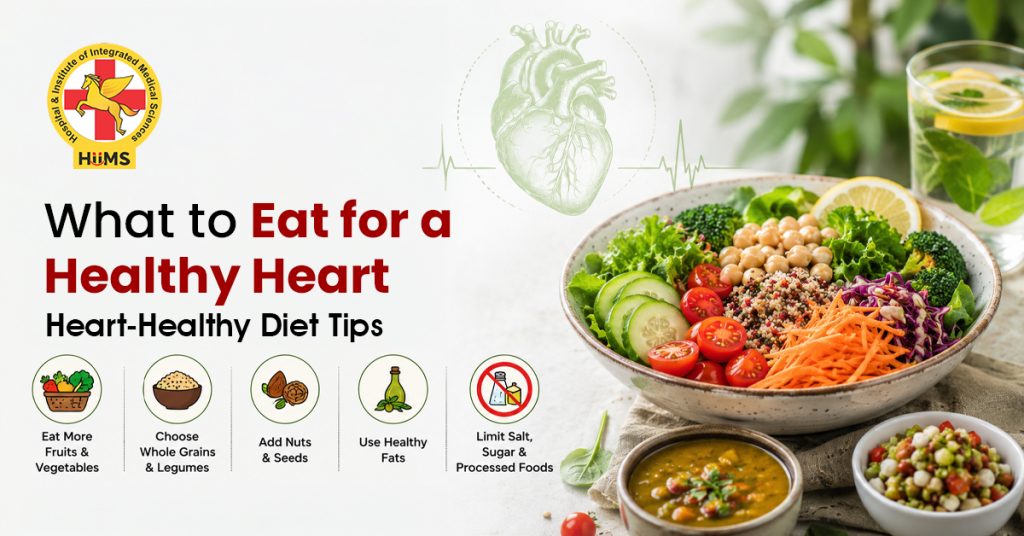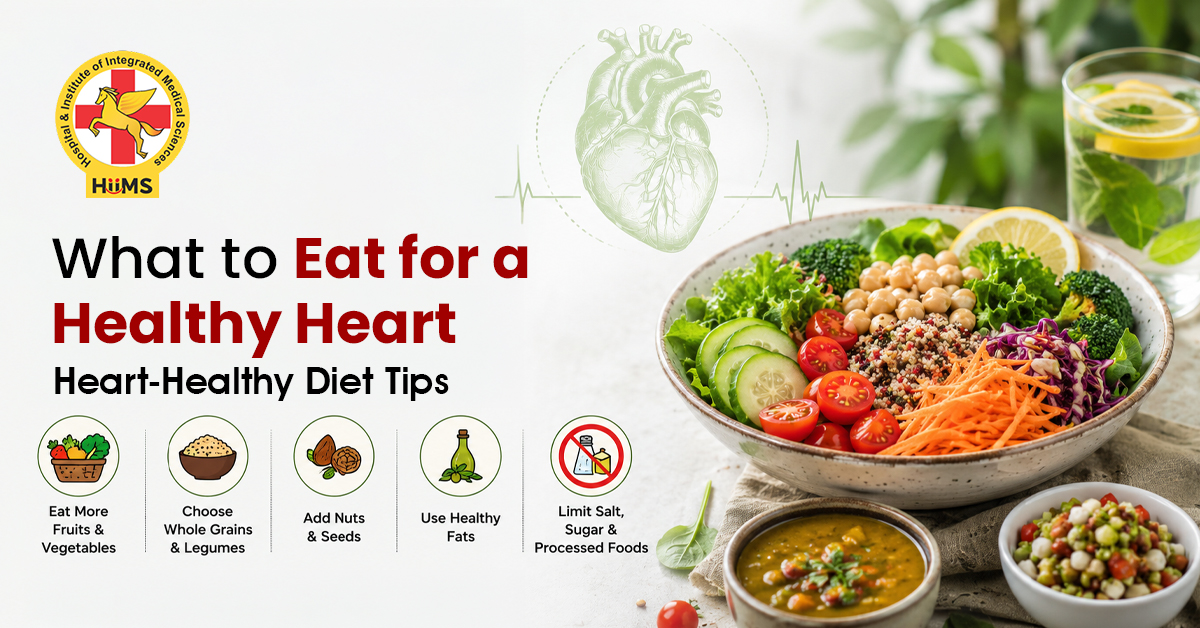

Your heart works hard for you every single second of the day. It beats about one lakh times a day to pump fresh blood, oxygen, and nutrients to every part of your body. Yet many of us rarely stop to think about what our heart needs to stay strong.
Heart problems like high blood pressure, elevated cholesterol, and blocked arteries have become very common today. Many people rely only on daily pills to manage heart issues. While emergency medicine has its place, taking pills without changing what you put on your plate is like trying to mop the floor while the tap is still running.
Real, long-term heart care begins in your kitchen. Shifting your daily food choices is one of the simplest, most effective steps you can take to protect your blood vessels and boost your energy. Following a Heart-Healthy Diet is not about starving yourself or counting every single calorie. Instead, a healthy diet for the heart is about giving your body clean, living plant foods that clear out internal waste, reduce blood vessel strain, and keep your circulation smooth.
How Food Keeps Your Heart Working Smoothly?
When you eat clean food, blood flows through the blood vessels effortlessly. But when you eat heavy, oily, and processed foods, waste accumulates along the inner walls. This buildup makes your blood vessels narrow and stiff & forces your heart to pump much harder just to move blood through your body.
Here is how real food helps fix that problem from the inside out
Removing Bad Cholesterol: When you eat fiber-rich foods, the fiber carries extra cholesterol out of your body before it can enter your bloodstream.
Keeping Blood Vessels Flexible: Natural potassium found in fresh fruits and vegetables helps your body flush out extra salt, allowing your blood vessels to relax and stay flexible.
Lowering Internal Strain and Heat: Fresh, unprocessed foods cool down internal irritation and let your organs heal naturally.
The Basics of a Heart-Healthy Diet
Switching to a healthy eating routine does not mean giving up delicious meals. In fact, a good heart healthy diet is built on the idea of abundance, adding more vibrant, fresh foods to your plate.
When you build your daily meals around whole foods, you naturally replace harmful fats and chemicals with active nutrients. Here are the simple pillars of a strong Heart-Healthy Diet:
1.Focus on high fiber
2.Choose clean, light proteins.
3.Add colorful raw fruits and vegetables every day
Instead of asking yourself, “What can I not eat?” ask, “What fresh, living food can I add to my plate right now to make my heart stronger?”
Simple Portion Control: Eating Just Enough
Even the healthiest food can strain your stomach if you eat too much of it. Overeating pulls extra blood toward your stomach to process the heavy meal leaving you feeling tired and bloated after eating.
Learning portion control ensures that your body gets the nutrients it needs without overloading your digestive system or putting extra strain on your heart
- Switch to Smaller Plates—Using a slightly smaller plate tricks your brain into feeling satisfied with normal food portions. It prevents you from filling up a huge plate out of pure habit.
- Use the Easy Hand Rule –
- A fist-sized portion for fresh raw vegetables and salads.
- A palm-sized portion for light protein like lentils, beans or clean fish.
- A cupped-hand portion for cooked whole grains like brown rice or oats.
- A thumb-sized portion for healthy fats like extra virgin oil or seeds.
- Eat Until You Are 80% Full—Stop eating when you feel comfortably satisfied. Leaving a little space in your stomach gives your digestive juices room to break down your food smoothly.
Following this habit as a part of your Heart-Healthy Diet keeps your stomach light and your heart relaxed.
Fresh Fruits and Vegetables for Strong Blood Vessels
Fresh fruits and vegetables are loaded with vitamins, minerals, water, and fibre while being naturally low in sodium and unhealthy fats. Adding more of these fresh foods to your daily routine is one of the easiest ways to secure vital foods for heart health.
Green Leafy Vegetables
Dark greens like spinach, kale, fenugreek leaves, mustard greens, and amaranth leaves are rich in natural nitrates and vitamin K. Nitrates help widen your blood vessels so oxygen moves easily, while vitamin K keeps your arteries clean and flexible.
Vibrant Berries and Fruits
Berries such as blueberries, strawberries, and raspberries help protect your blood vessels from oxidative stress and help keep blood pressure in a healthy range. Pomegranates, apples, and oranges are also best foods for heart health because they help clear out internal waste and keep your blood clean.
Avocados and Potassium-Rich Foods
Avocados, bananas, sweet potatoes, and cucumbers are rich in monounsaturated fats and potassium. Potassium works directly against sodium to release excess fluid from your blood, taking immediate pressure off your heart walls.
Whole Grains vs. White Flour
Grains form a large part of our daily meals, but the type of grain you pick directly impacts your blood health. Whole grains keep their natural outer bran and germ intact, which means they hold on to all their original fiber, vitamins, and minerals. Refined grains such as white flour (maida) have had all their fiber stripped away during factory processing.
When you eat refined white flour, your body breaks it down into sugar almost instantly. This causes rapid spikes in your blood sugar levels, triggers body inflammation, and promotes weight gain. Whole grains digest slowly. Their natural fiber forms a gel-like substance in your digestive tract that traps extra cholesterol and sweeps it out of your body.
Simple Protein Choices
Your body needs protein every day to repair tissues, build enzymes, and maintain muscle strength. Choosing clean, light protein sources ensures that you nourish your body without harming your blood vessels.
Plant-Based Protein Power
Dal, chana, rajma, and black beans are exceptional foods for heart health. They provide abundant protein and complex carbohydrates while remaining completely free of cholesterol and saturated fats.
Dairy Products
For dairy, choose homemade light curd or buttermilk rather than heavy cream or processed cheese slices. Fermented dairy provides beneficial gut bacteria that help digestion without overloading your system with heavy animal fats.
Good Fats vs. Bad Fats
Your body actually needs healthy fats to absorb vitamins, produce hormones and protect your nerves. The secret lies in choosing the right kinds of fats while avoiding the bad ones.
The Good Fats
Unsaturated fats help lower bad cholesterol and reduce body inflammation. Excellent sources of heart-healthy foods include:
- Cold-Pressed Oils: Extra virgin olive oil, mustard oil, or sesame oil used in light amounts.
- Nuts: Soaked walnuts and almonds eaten every morning. Walnuts are especially high in plant-based omega-3 fats.
- Seeds: Flaxseeds, chia seeds, and pumpkin seeds sprinkled over salads or mixed into water.
Bad Fats & Trans Fat
Saturated fats are found in high amounts in fatty red meats, palm oil, heavy butter, and full-fat commercial dairy products. While small amounts of natural fats are fine, eating high amounts of saturated fats makes your blood thick and increases arterial plaque.
Trans fats are artificial fats created in factories to give packaged foods a long shelf life. They are extremely dangerous because they raise your bad cholesterol. Avoid deep-fried street snacks, packaged potato chips, commercial cookies, and bakery items.
Simple Healthy Drinks
What you drink throughout the day affects your blood density and circulation just as much as what you eat. Staying properly hydrated keeps your blood thin enough to flow smoothly through fine capillaries without forcing your heart to work extra.
- Water First: Make plain, warm, or room-temperature water your main daily drink. Aim to sip water regularly throughout the day rather than gulping huge amounts at once.
- Green Tea and Herbal Infusions: Green tea contains active antioxidants called catechins that support the thin lining of your blood vessels. Warm herbal teas made with ginger, tulsi, or lemon grass also help clear internal congestion.
- Be Careful with Coffee and Alcohol: Drinking one light cup of coffee or tea daily is generally fine for most people. However, drinking multiple heavy cups of sugary coffee or energy drinks spikes your stress hormones and raises your heart rate. Excessive alcohol consumption directly damages heart muscle tissue and raises blood pressure, so it is best avoided completely.
Hidden Enemies: Salt and Sugar
Two of the biggest dangers to your heart health often hide in plain sight on supermarket shelves: excess salt (sodium) and added sugar.
The Sodium Trap
Your body only needs a tiny amount of natural salt to function. When you eat too much salt, your body holds on to extra water to dilute the sodium in your bloodstream. This extra fluid volume increases the total pressure inside your blood pipes.
While many people try to reduce salt at the dinner table, most excess sodium does not come from your salt shaker. It comes hidden inside packaged foods like canned soups, instant noodles, white bread, store-bought sauces, pickles, and restaurant meals.
The Sugar Connection
Eating excess refined sugar and high-fructose corn syrup leads to fast weight gain and fatty liver issues. But sugar also harms your heart directly. High sugar intake causes quick spikes in blood insulin, which triggers systemic inflammation along your blood vessel walls and strains your metabolic health.
Smart Flavor Swaps
Instead of relying on heavy table salt or sugary sauces to make your food taste good use natural herbs and spices:
- Squeeze fresh lemon juice over cooked dishes for a fresh flavor.
- Use crushed garlic, fresh ginger, and chopped coriander to season your meals.
- Add warming spices like turmeric, black pepper, cumin and cinnamon, which enhance flavor while soothing internal tissue inflammation.
Simple Daily Heart-Healthy Diet Plan Example
Here is a simple example of how a full day of smart eating can look –
- Early Morning: A glass of warm water with fresh lemon juice combined with 4 soaked almonds and 2 whole walnuts.
- Breakfast: A bowl of warm oats cooked in water or plant milk, topped with fresh berries and ground flaxseeds, or two slices of whole-grain bread topped with mashed avocado
- Mid-Morning Snack: One fresh apple, a guava, or a small bowl of pomegranate seeds
- Lunch: A bowl of brown rice or whole-wheat rotis served with a large bowl of cooked lentils (dal), a side of steamed spinach or green vegetables, and a fresh salad made of cucumbers and tomatoes dressed with olive oil
- Evening Snack: A warm cup of green tea or herbal tea served with a handful of roasted chickpeas or pumpkin seeds
- Dinner: A light evening meal consisting of clear vegetable soup along with grilled tofu, paneer, or fish, served alongside steamed broccoli, carrots, and green beans.
Conclusion
Taking care of your heart does not require complicated rules, restrictive calorie counters, or extreme lifestyle changes. By making small daily shifts such as keeping an eye on your portions, drinking clean water, and avoiding processed salt and sugar you give your blood vessels and heart muscles the natural support they need to stay strong for life. Following a clean Heart-Healthy Diet empowers you to take charge of your well-being.

The integrated hospitals like Jeena Sikho HiiMS treat heart conditions from the root using personalised diet plans, natural herbs and natural therapies like Hridya Basti. This Ayurvedic approach help strengthen heart function naturally without relying solely on lifelong medication.
Take the first step toward lasting heart health today by visiting your nearest Jeena Sikho HiiMS centre or book a HiiMS VOPD to consult a doctor online for personalised meal plans.
FAQs
What is the most important rule of a Heart-Healthy Diet?
The most important rule is to focus your daily eating on whole, natural, unprocessed foods. Eat plenty of fibre-rich vegetables, whole grains, beans and healthy fats while avoiding packaged snacks, excess salt, refined flour, and sugary drinks.
What are the best foods for heart health to lower high blood pressure naturally?
Foods rich in potassium, magnesium, and natural nitrates are the best options for lowering high blood pressure. These include green leafy vegetables, beets, bananas, sweet potatoes, avocados and raw seeds.
Can switching to a heart healthy diet reverse early signs of heart disease?
Eating clean, plant-rich foods lowers systemic inflammation, drops bad cholesterol, and helps prevent or reduce fatty plaque buildup in your arteries over time.
What is the best time of day to eat raw fruits for heart health?
The best time to eat raw fruits is in the morning on an empty stomach. Eating fresh fruits during morning hours provides natural energy and allowing the body to carry out its natural internal cleansing processes.
Are all fats bad for heart protection?
No, only trans fats and excessive saturated fats harm your arteries. However healthy monounsaturated and omega-3 fats found in olive oil, avocados and walnuts protect your blood vessels and lower bad cholesterol.
Disclaimer: The information provided on this blog is for general educational and informational purposes only. It is not intended to replace professional medical advice, diagnosis, or treatment. Always consult a qualified healthcare professional before making any changes to your diet, lifestyle, or treatment plan. Individual results may vary.