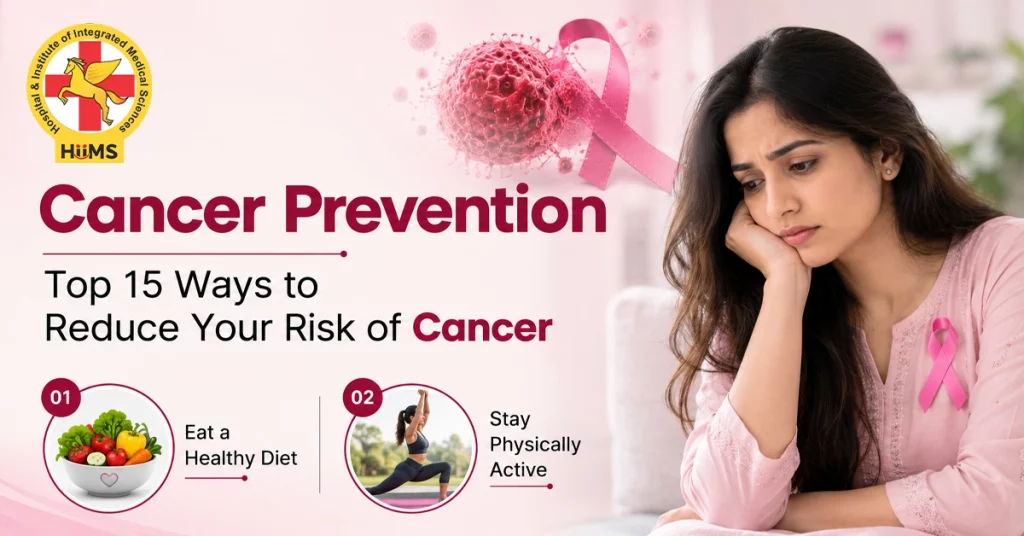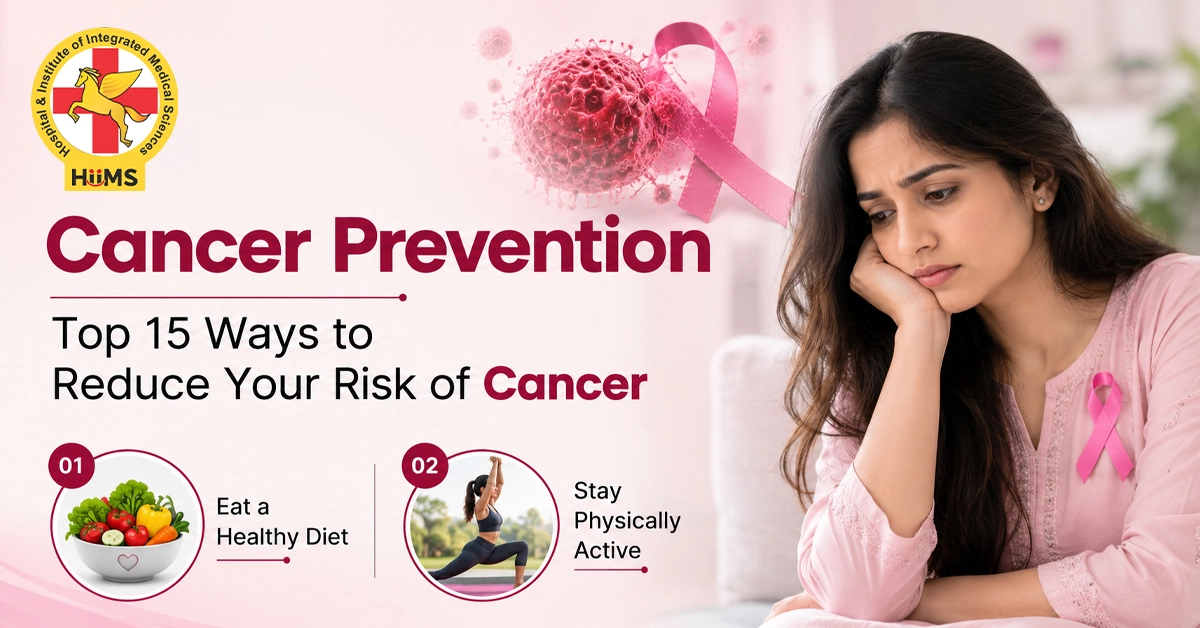

Here’s a number worth sitting with: more than 40% of cancer cases could genuinely be prevented. Not treated better, not caught earlier, but prevented outright, through choices most of us actually have some control over. Prevention from cancer isn’t about chasing perfection or living in fear of every food and habit; it’s about stacking a handful of well-researched habits together consistently.
This blog walks through 15 of the most evidence-backed ways to lower your risk, along with where screening, genetics, and diet fit into the bigger picture.
Why Does Prevention From Cancer Actually Matter This Much?
Tobacco alone accounts for roughly 30% of cancer-related deaths. Poor dietary choices contribute to close to half of preventable cases. These aren’t small, marginal numbers; they’re the difference between cancer being something that just happens to people and something a lot of people genuinely have influence over through daily choices.
That’s really the whole premise behind prevention from cancer, not eliminating risk entirely, since some factors are outside your control, but meaningfully shifting the odds.
Top 15 Ways to Prevent Cancer
These ways to prevent cancer aren’t ranked by importance; they work best together, as a pattern of living rather than a checklist you pick and choose from.
1. Don’t Use Tobacco in Any Form
Smoking, vaping, or chewing, doesn’t matter which form, tobacco carries carcinogens either way. Quitting genuinely lowers your risk over time, no matter what age you’re at when you finally do it.
2. Avoid Secondhand Smoke
Even if you’ve never touched a cigarette yourself, regular exposure to someone else’s smoke still raises your lung cancer risk. Worth keeping in mind if you live or work around smokers regularly.
3. Limit Alcohol, or Skip It Entirely
Alcohol’s linked to cancers of the mouth, throat, liver, breast, and bowel, and even what most people consider “moderate” drinking still carries some risk attached to it.
4. Maintain a Healthy Body Weight
Extra weight is tied to several cancer types, more than people realise. Gradual, sustainable weight management genuinely helps here; crash diets and quick fixes really don’t.
5. Stay Physically Active
Nothing extreme is required. Around 3-4 hours of moderate exercise a week has shown a 10-20% reduction in cancer risk across several studies; a brisk walk counts.
6. Build Meals Around Fruits, Vegetables, and Whole Grains
These foods bring fibre, vitamins, and phytonutrients your body genuinely uses to defend itself. Simple shift, load half your plate with these before anything else.
7. Limit Red and Processed Meat
Eating more than roughly 18 ounces of red meat a week has been linked to increased cancer risk. Doesn’t mean cutting it out completely, just watching how often it shows up on your plate.
8. Avoid Processed and Ultra-Processed Food
Cutting back on packaged snacks and heavily processed meals supports weight management and overall cellular health at the same time, two birds, one habit.
9. Practise Sun Safety
Sunscreen, avoiding peak sun hours, and staying away from tanning beds all of it genuinely reduces skin cancer risk. Easy to forget on cloudy days, but UV exposure doesn’t care about clouds.
10. Get Recommended Vaccinations
HPV and Hepatitis B vaccines specifically lower the risk for cervical, liver, and a few other cancers tied to viral infection. Worth checking with your doctor if you or your kids are due for these.
11. Practise Safe Habits Around Infection Risk
Avoiding needle-sharing and practising safe sex cuts down exposure to viruses that are genuinely linked to certain cancers down the line.
12. Know Your Family History
Hereditary cancer syndromes are rare, but knowing your family’s pattern helps guide when and how often you actually need to get screened, rather than guessing.
13. Stay Up to Date With Screenings and Regular Checkups
Colonoscopies, mammograms, Pap smears, these catch precancerous changes early, often before cancer even has a chance to develop. Don’t skip these just because you feel fine.
14. Reduce Exposure to Occupational and Environmental Carcinogens
Radon at home, certain workplace chemicals, these are easy to overlook but genuinely worth being aware of, especially if your job puts you in regular contact with them.
15. Stay Socially Connected and Manage Stress
Chronic stress and isolation quietly wear down overall health resilience. Staying connected to people genuinely supports long-term wellbeing, especially for anyone already navigating a diagnosis or recovery.
How to Reduce Cancer Risk Through Screening and Awareness
Screening deserves its own moment here, since it’s easy to lump it in with “just another checkup.” Lung cancer screening is recommended annually for people with a heavy smoking history between the ages of 50 and 80. Men 45 and older should discuss PSA testing for prostate cancer with their doctor.
These aren’t things to wait on until symptoms show up, since how to reduce cancer risk genuinely includes catching changes before they ever become a diagnosis.
Is Genetic Risk Something You Can Actually Prevent?
Not entirely, and it’s worth being upfront about that. About 5-10% of cancer cases stem from an inherited genetic mutation, and no lifestyle change fully offsets that kind of risk.
What you can do is know your family history and get tested for inherited cancer syndromes if there’s a pattern worth investigating, since this knowledge shapes how early and how often you should be screened, giving you a genuine head start rather than leaving it to chance.
Cancer Prevention Tips: Where Ayurveda and Diet Fit In
Beyond the medically established list above, a few cancer prevention tips rooted in Ayurveda focus on strengthening the body’s own resilience over time.
At Jeena Sikho HiiMS, this generally includes a personalised, plant-based pH-balanced diet built around fresh fruits, vegetables, and whole grains, herbs like turmeric and Guduchi traditionally used to support immunity, and daily routine correction, sleep, stress management, and gentle movement, all aimed at supporting the body’s natural defences rather than targeting any specific disease.
This is generally offered as a supportive layer alongside standard medical prevention practices, not a replacement for screening or medical guidance.
Conclusion
Prevention from cancer isn’t about any single dramatic change; it’s the accumulation of consistent, everyday choices, avoiding tobacco, eating well, staying active, getting screened, and knowing your own risk factors.
None of it guarantees anything, but together, these habits genuinely shift the odds in your favour. If you want to build a personalised Ayurvedic layer of support into your prevention routine, the team at Jeena Sikho HiiMS can walk you through what that might look like. A VOPD consultation is a simple place to start that conversation.

FAQs
Q1. Following all this, am I guaranteed to never get cancer?
No guarantees here, honestly. But together, these habits genuinely tilt the odds in your favour, backed by real research.
Q2. How much exercise actually makes a dent in cancer risk?
Roughly 3-4 hours a week, moderate pace, nothing intense needed. Studies keep showing this range brings a real reduction.
Q3. Is my family history the main thing driving my risk?
For most people, not really. Only 5-10% of cases are attributable to inherited mutations; lifestyle factors carry much more weight.
Q4. Should I get screened even without any symptoms?
Definitely. Many cancers are far easier to treat when caught through routine screening, well before symptoms ever appear.
Q5. Can diet by itself really lower my cancer risk?
It helps, genuinely, but works best paired with not smoking, staying active, and cutting back on alcohol, rather than carrying the load alone.
Disclaimer: The information provided on this blog is for general educational and informational purposes only. It is not intended to replace professional medical advice, diagnosis, or treatment. Always consult a qualified healthcare professional before making any changes to your diet, lifestyle, or treatment plan. Individual results may vary.