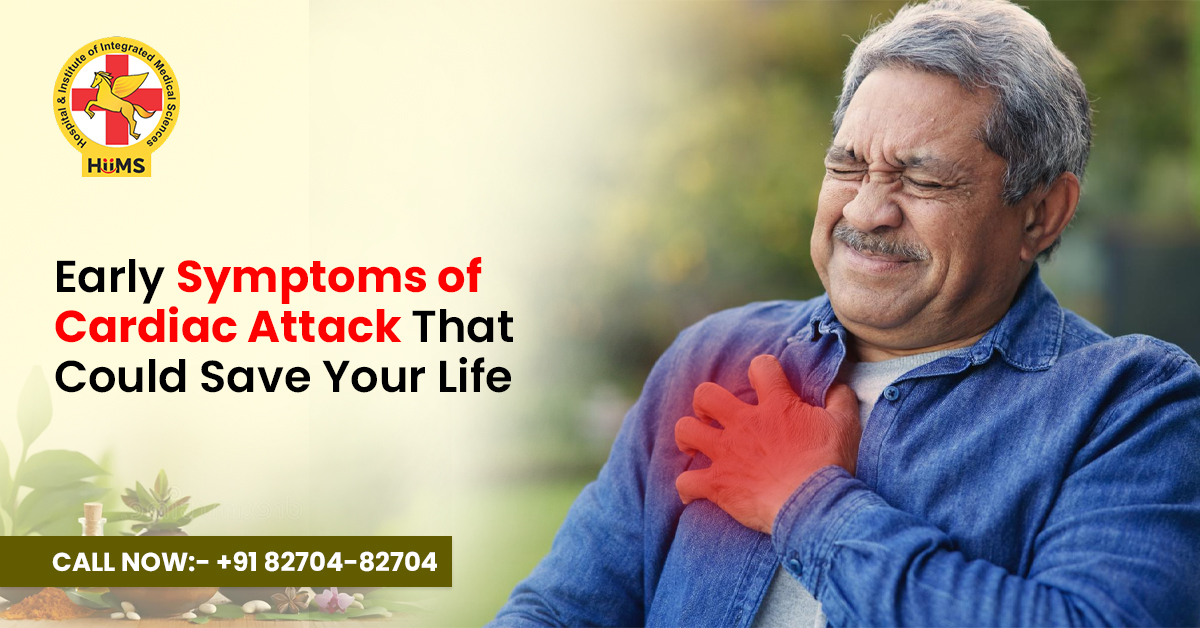
A Cardiac Attack can come suddenly, but in many cases, the body gives small signals before it becomes serious. The problem is that people often ignore these signs or think they are normal issues like gas or tiredness. Understanding these early changes in the body can help in taking action at the right time.
Today, heart-related problems are increasing due to stress, poor eating habits, and an unhealthy lifestyle. Many people are not aware of the early signs and wait until the situation becomes dangerous. At places like Jeena Sikho HiiMS, focus is given on natural ways of understanding and managing health before it reaches a critical stage.
This blog will help you understand simple and clear signs your body may show before a Cardiac Attack. Recognizing these signs early can help you take timely action and may save a life.
What is a Cardiac Attack?
A Cardiac Attack happens when blood flow to the heart is blocked. This reduces oxygen supply to the heart muscles, which can lead to damage. It is a serious condition and needs quick attention.
Many people only connect it with sudden chest pain, but the truth is, the body often shows warning signs much earlier. These signals are commonly known as heart attack symptoms, and recognizing them early can make a big difference.
Early Signs You Should Never Ignore
1. Chest Discomfort
This is one of the most common signs. It may feel like pressure, tightness, or heaviness in the chest. Some people feel it comes and goes, which makes them ignore it.
2. Pain in Different Parts of the Body
Pain does not always occur only in the chest. It can spread to the arms, neck, jaw, back, or even the stomach. This is often mistaken for muscle pain or acidity.
3. Shortness of Breath
If you feel breathless even without doing heavy work, it could be a warning sign. This may happen along with chest discomfort or even alone.
4. Unusual Tiredness
Feeling tired without a clear reason is one of the early signs of heart attack, especially in women. It may feel like the body has no energy even after proper rest.
5. Sweating Without Reason
Cold sweating, especially when you are not active, can be a signal that something is wrong. Many people ignore this, thinking it is due to weather or stress.
6. Feeling Dizzy or Lightheaded
Sudden dizziness or feeling like you may faint should not be ignored. It can be linked to reduced blood flow in the body.
Silent Signs That Often Go Unnoticed
Not all Cardiac Attack cases show strong symptoms. Some people experience mild or unusual signs, which are known as silent heart attack symptoms.
These may include slight discomfort, mild breathlessness, or just feeling unwell. Because these signs are not strong, people often ignore them, which can be risky.
Why These Symptoms Are Ignored
There are a few common reasons why people ignore early warning signs:
- They think it is gas or indigestion
- They believe it will go away on its own
- They are too busy to pay attention
- They are not aware of the symptoms
At Jeena Sikho HiiMS, awareness is considered an important step, because understanding your body helps in taking timely action.
Simple First Aid You Should Know
If you or someone around you shows signs of a Cardiac Attack, quick action is important. Knowing basic first aid for heart attack can help in such situations.
- Make the person sit and stay calm
- Loosen tight clothes
- Try to keep them relaxed
- Call for medical help immediately
Do not wait for symptoms to go away. Time is very important in such cases.
Role of Lifestyle in Heart Health
Your daily habits play a big role in your heart condition. A poor lifestyle increases the chances of a Cardiac Attack, while simple changes can help maintain balance.
Here are some easy heart health tips you can follow:
- Eat fresh and simple food
- Avoid too much oily and processed food
- Stay active with light exercise or walking
- Manage stress through breathing or relaxation
- Take proper sleep
Ayurveda focuses on maintaining balance in the body through daily habits, food, and natural routines. It believes that when the body is in balance, the chances of major health issues can be reduced.
How Ayurveda Looks at Heart Health
In Ayurveda, the heart is considered very important for overall balance. Instead of focusing only on symptoms, it looks at the root cause.
Simple practices like proper diet, routine, and natural herbs are often part of maintaining heart health. The focus is on keeping the body calm, improving digestion, and reducing stress naturally.
This approach helps in supporting long-term wellness rather than only reacting during emergencies.
When to Seek Help
If you experience any of the above symptoms, avoid ignoring them. Even mild symptoms should be checked.

It is always better to take advice early instead of waiting. You can also consider (VOPD) Video consultation for guidance and understanding your condition in a better way from home.
Conclusion
A Cardiac Attack does not always come without warning. The body often gives small signals, but they are ignored due to lack of awareness or busy life. Paying attention to these signs can help in taking timely action and avoiding serious conditions. Simple lifestyle changes, along with a balanced daily routine, can make a big difference in heart health. At Jeena Sikho HiiMS, the focus remains on natural ways to understand and care for the body. Staying aware, acting early, and choosing the right path can help you move towards a healthier life.
FAQs
What is a Cardiac Attack?
A Cardiac Attack happens when blood flow to the heart is blocked, which can damage the heart muscles.
What are the common heart attack symptoms?
Common symptoms include chest discomfort, pain in arms or jaw, shortness of breath, and sweating.
What are the early signs of a heart attack?
Early signs may include unusual tiredness, mild chest pressure, breathlessness, and dizziness.
Why do people ignore early warning signs?
People often mistake symptoms for gas, stress, or tiredness and delay taking action.
How can lifestyle affect heart health?
Unhealthy food, lack of exercise, and poor sleep can increase risk.