
A sore throat that refuses to go away, a slight change in voice, or a strange discomfort while swallowing may seem like small everyday issues. Most people ignore them, thinking they will settle on their own. But sometimes, these small changes are early signals your body is trying to give you. Understanding throat cancer symptoms at the right time can help you take action before things become serious.
Throat cancer often develops quietly. In many cases, the early throat cancer symptoms are mild and easily confused with common infections or acidity. That is why awareness becomes important. This blog focuses on helping you clearly identify throat cancer warning signs, so you know what to watch for and when to take them seriously.
Table of Contents
Understanding throat cancer symptoms in the early stages
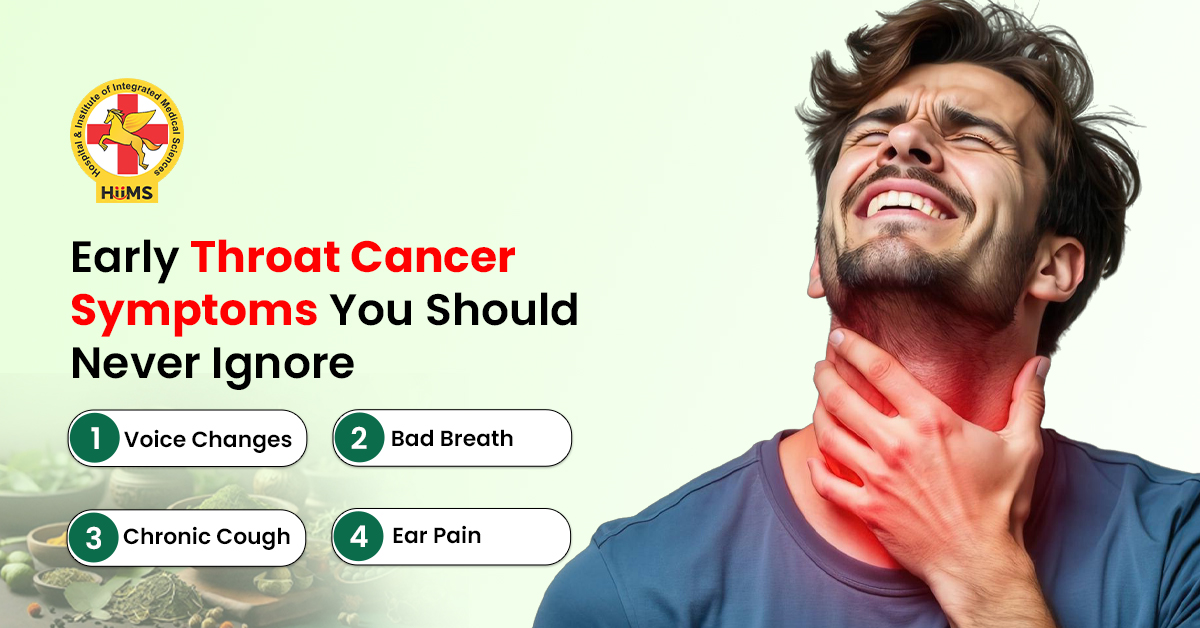
In the beginning, throat cancer warning signs do not appear severe. They are subtle, slow, and often easy to ignore. This is why many people delay seeking help. Some common early throat cancer symptoms include:
- Persistent sore throat that does not improve
- Mild pain or discomfort while swallowing
- Slight hoarseness or change in voice
- Feeling of irritation in the throat
- A constant need to clear the throat
These are early signs of throat cancer that may look harmless at first. However, when they continue for weeks, they should not be ignored. Recognising these throat cancer warning signs early can make a significant difference in how the condition is managed.
Common signs of throat cancer you should watch closely
As time passes, these throat cancer symptoms may become more noticeable. Some additional signs of throat cancer that may appear early include:
- A small lump or swelling in the neck
- Ear pain without any clear infection
- Feeling like something is stuck in the throat
- Difficulty speaking clearly
- Mild discomfort while eating
These early throat cancer symptoms may not always be painful, which is why people tend to overlook them.
In some cases, symptoms of throat cancer in males are noticed more due to lifestyle habits like smoking or alcohol use. But these symptoms can occur in anyone. The key is to notice changes that feel unusual and continue over time.
Why are early throat cancer symptoms often ignored?
One of the biggest challenges with throat cancer symptoms is that they look very similar to common health problems.
A sore throat may feel like a seasonal infection. A voice change may be blamed on overuse. Even swallowing discomfort is often linked to acidity. Because of this, many throat cancer warning signs are ignored until they become severe.
Being aware of this pattern keeps you alert. Pay attention to something that feels different and doesn’t get better.
When to take throat cancer symptoms seriously
Not every problem with the throat is serious, but some need to be looked at right away. You should consult a doctor if:
- Symptoms last more than two weeks
- There is a noticeable lump in the neck
- Voice changes continue without improvement
- Swallowing becomes uncomfortable regularly
Early identification of throat cancer symptoms improves the chances of effective cancer treatment. Taking action early is always better than waiting.
The connection between early symptoms and Cancer treatment outcomes
Early detection plays a major role in how successful cancer treatment can be. When early throat cancer symptoms are identified in time:
- Treatment becomes simpler
- Recovery chances improve
- Complications reduce
- Quality of life remains better
Ignoring these signs of throat cancer can delay diagnosis, making treatment more complex. This is why awareness is the first step toward better health.
How your daily habits influence throat health
Lifestyle plays a strong role in how your body responds to changes.
Habits like:
- Smoking
- Alcohol consumption
- Poor diet
- Stress
These symptoms can increase the risk of developing throat-related issues.
Eating a balanced diet, drinking enough water, and staying away from harmful substances are all simple habits that can help keep your throat healthy. These changes also help the body respond better to any cancer treatment that is needed.
Jeena Sikho HiiMS Approach for Supportive Cancer Care
We at Jeena Sikho HiiMS care for the body as well as provide medical care. Our method is natural, balanced, and meant to make you stronger as you heal. Some therapies that can help are:
- Golden Therapy that helps cells get stronger and helps them heal
- Natural ingredients are used to make Cancer Detox Juice, which helps with cleansing and energy
- Fasting and autophagy help the body heal by getting rid of damaged cells
These methods are used as supportive care along with proper cancer treatment to help the body stay strong while it heals.
Conclusion
Small changes in symptoms are often quite significant. Knowing the warning signs of throat cancer and recognising early signs can give you confidence to take quick action. In case the problem turns out to be minor, having it examined will still provide you with clarity and peace of mind.
In case you do not recognise your symptoms or require proper directions, you may think about getting a VOPD appointment with the doctors at Jeena Sikho HiiMS. They will be able to help you learn more about your health issue and show you the path to suitable healthcare for your condition.

FAQs
Q1. What are the first symptoms of throat cancer?
The most frequent early symptoms are headache, a throat that persists, and voice changes.
Q2. Can throat cancer symptoms be confused with common illnesses?
Yes, many symptoms look like infections or acidity.
Q3. When should I consult a doctor?
If symptoms last more than two weeks, it is best to get checked.
Q4. Are symptoms different in males?
Some symptoms of throat cancer in males may be more common due to lifestyle factors.
Q5. Can early detection improve treatment outcomes?
Yes, early diagnosis makes cancer treatment more effective.
Ayurvedic Cancer Care Products
100% natural, certified Ayurvedic formulations crafted for targeted cancer wellness.



Disclaimer: The information provided on this blog is for general educational and informational purposes only. It is not intended to replace professional medical advice, diagnosis, or treatment. Always consult a qualified healthcare professional before making any changes to your diet, lifestyle, or treatment plan. Individual results may vary.