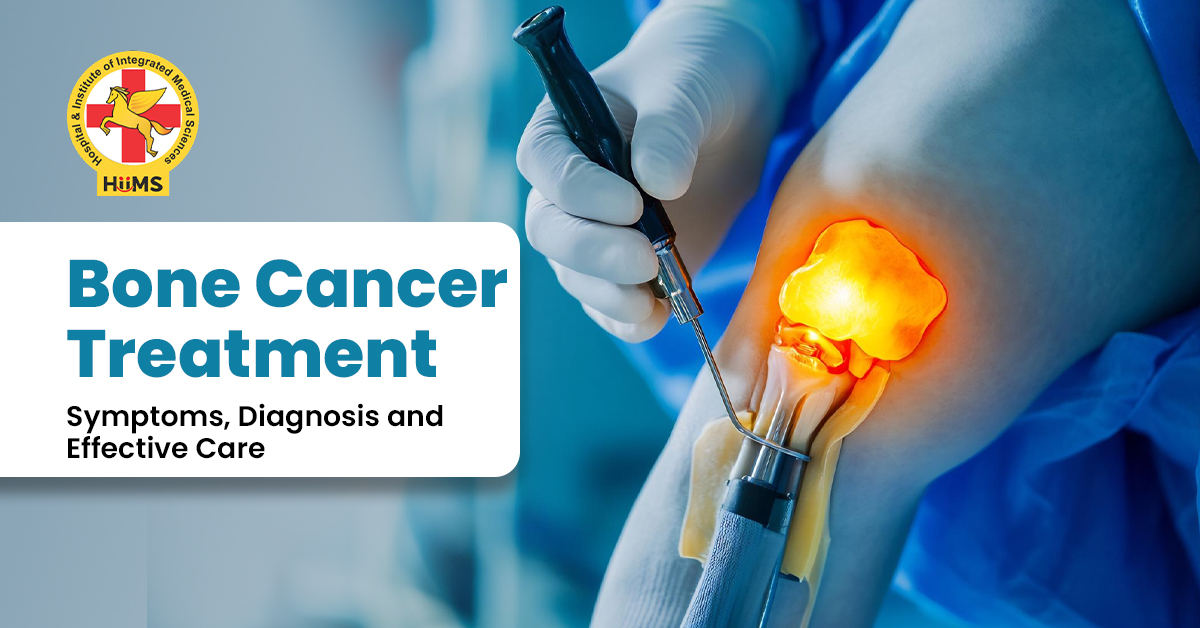

Hearing about bone cancer can feel overwhelming. Most people first notice some unusual pain or swelling and don’t think much of it. But when the discomfort stays or slowly gets worse, it raises concern. That is usually when people start searching for bone cancer treatment and trying to understand what is really happening in the body.
This type of cancer is quite rare, but when it occurs, appropriate care and treatment should be taken for the patient. What makes things positive is the fact that through accurate diagnosis and appropriate bone cancer treatments, one can live a relatively comfortable life with this disease.
This blog post will aim to simplify things by discussing bone cancer, its symptoms, its diagnosis, and the types of treatment involved, both modern care and Ayurveda.
What Is Bone Cancer?
Bone cancer occurs when abnormal cells begin growing within the bones. The cells affect the normal tissues of the bone, and they have the potential to metastasize if left untreated.
The disease can occur anywhere in the body; however, it occurs most often in the long bones, such as those in the limbs. Occasionally, the disease may spread to other bones of the body.
Common Bone Cancer Symptoms You Should Notice
The signs are often mild in the beginning, which is why many people ignore them. Some of the bone cancer symptoms include:
- Pain in bones that is constant.
- Swelling or a mass around the bone.
- Bones becoming weak and causing fractures.
- Pain that gets worse at night.
- Reduced movement in joints.
These symptoms can look similar to other bone issues, but if they stay for a long time, it is better to get them checked.
How Bone Cancer Is Diagnosed?
The process for diagnosis of the disease includes several procedures. Some of the procedures suggested are:
- Physical exam.
- Imaging tests such as X-rays.
The goal is to confirm whether it is bone cancer and to understand its stage. This helps in deciding the right bone cancer treatment.
Bone Cancer Treatment: What Options Are Available?
The management of bone cancer is influenced by the level of development attained and the health of the patient. The current ways of managing bone cancer include:
- Surgical removal of the cancerous bones.
- Chemotherapy to destroy the cancerous cells.
Radiation therapy to contain or eliminate abnormal cell growths.
All the above treatment measures will help manage the disease, but they might lead to fatigue or weakened immunity, hence the need for supportive treatment.
Bone Cancer Treatment: Modern and Ayurvedic Approaches
Whereas medical treatment aims at eliminating or controlling the cancerous cells, Ayurveda complements the effort by helping to support the body in the process. This is because Ayurvedic treatment involves making sure that the body becomes stronger and also restoring its balance.
Herbal preparations, detox therapies, and dietary guidance are often used as supportive methods. A clinic such as Jeena Sikho HiiMS offers services where patients can be taken through a personal plan involving Ayurvedic treatments under the supervision of a specialist oncologist. This approach is better as far as regaining strength is concerned.
Holistic Ayurvedic Approach to Bone Cancer at Jeena Sikho HiiMS
In contrast to conventional medicine, care in Jeena Sikho HiiMS is aimed not only at relieving symptoms but also at restoring general health and natural balance within the body. There is no universal approach in the treatment of bone cancer patients. Every patient requires a unique individual approach, which is aimed at supporting the immune system, maintaining natural balance, and improving health during bone cancer treatment.
1. Panchakarma Detox
Panchakarma is a traditional detox process that includes five main therapies. It helps the body remove toxins and restore internal balance. These therapies include vamana, virechana, basti, nasya, and raktamokshana.
During bone cancer treatment, Panchakarma is used carefully to support cleansing and strengthen the body’s natural defenses.
2. Golden Therapy
Golden Therapy uses a special herbal paste made from natural ingredients like banyan leaves, neem leaves, bitter gourd leaves, and raw turmeric.
The paste is gently applied using the feet. Over time, it changes color to a golden shade, which is where the name comes from. This therapy supports detox and may help in improving cellular health during recovery.
3. Cancer Detox Juice
As part of supportive care, a natural detox juice is often included. This juice contains a mix of leaves and ingredients like:
- Banyan leaves.
- Peepal leaves.
- Guava leaves.
- Mint and coriander.
- Spinach and fenugreek.
- Ginger, turmeric, and amla.
It is prepared in a balanced way to help improve immunity and support the body during treatment.
4. Therapeutic Fasting
Therapeutic fasting is another supportive method used in care. Patients follow a controlled eating window, usually around 12 to 16 hours. During this time, the body focuses on internal cleaning processes.
Fasting supports natural cell repair, improves metabolism, and may help the body respond better to treatment.
Personalized Care at Jeena Sikho HiiMS
Every patient is different, and so is their treatment. At Jeena Sikho HiiMS, specialists look at the patient’s body type, health condition, and specific needs before planning care. Treatments are adjusted over time based on how the body responds.
This kind of personal approach helps patients manage bone cancer treatment in a more balanced way while maintaining overall well-being.
Conclusion
While handling bone cancer might seem difficult, taking the correct measures can ensure a great result. The symptoms must be understood early enough, diagnosed effectively, and the appropriate bone cancer treatment applied.
Modern bone cancer treatment helps to manage the condition effectively, whereas Ayurvedic medicine plays a crucial role in ensuring that the body stays healthy.
In case of any bone cancer symptoms, it is recommended to receive professional advice to establish the way forward. You can opt for a consultation under the VOPD program to determine how to proceed.
Email: care@jeenasikho.com

FAQs
- How do you know if you have bone cancer?
The primary symptom of this condition is constant bone pain that does not go away. - How is bone cancer diagnosed?
A diagnosis can be made with the help of scanning and biopsy testing. - What are some forms of treatment of bone cancer?
Bone cancer can be treated using surgical methods and radiation. - Is there any use of Ayurvedic medication while undergoing bone cancer treatment?
It is usually used to support recovery and boost strength. - How long will your bone cancer treatment last?
The length of treatment largely depends on how far along the cancer is and the decision made by a physician.
Disclaimer: The information provided on this blog is for general educational and informational purposes only. It is not intended to replace professional medical advice, diagnosis, or treatment. Always consult a qualified healthcare professional before making any changes to your diet, lifestyle, or treatment plan. Individual results may vary.