
Most people think cancer just happens. Something sudden, something unpredictable. But if you look closely, that is not entirely true. In many cases, it builds slowly over time through habits, exposure, and internal imbalance.
You may not notice anything right now. No strong cancer symptoms, nothing alarming. But small changes inside the body can keep developing silently for years.
This blog is meant to give you clarity. Not fear. To help you understand the most important cancer risk factors, what you can actually control, and how simple changes can support real cancer prevention.
Table of Contents
What Are Cancer Risk Factors
A risk factor is anything that increases your chances of developing cancer. It can be something in your lifestyle, your environment, or even your family history.
Some factors cannot be changed, like age or genetics. But many are within your control. And that is where prevention becomes practical.
1. Tobacco Use
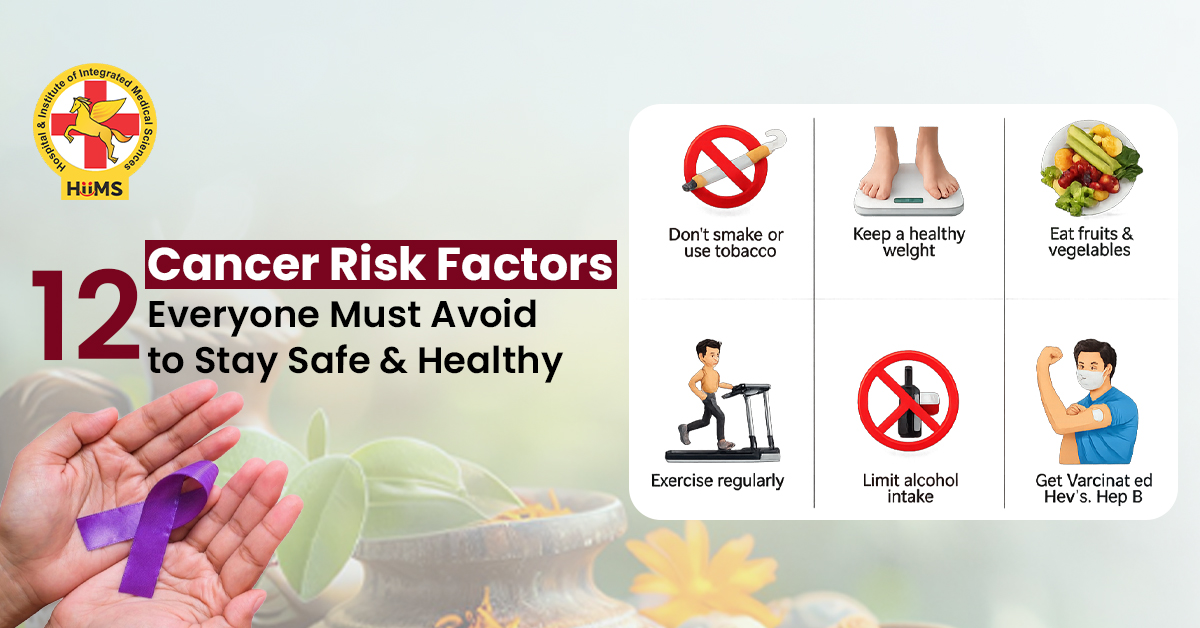
This is the biggest and most avoidable risk. Smoking or chewing tobacco is directly linked to multiple cancers, such as lung, mouth, and throat.
In fact, smoking alone is responsible for a large percentage of cancer deaths. If there is one habit to quit, this is it.
2. Alcohol Consumption
Regular alcohol intake increases the risk of:
- Liver cancer.
- Breast cancer.
- Digestive cancers.
The more frequent the consumption, the higher the risk.
3. Unhealthy Diet
Daily food choices matter more than people think. Diets high in:
- Processed food.
- Sugar.
- Excess red meat.
can increase cancer risk over time. A poor diet combined with other habits becomes a major contributor.
4. Lack of Physical Activity
A sedentary lifestyle affects more than just weight. Low activity levels can lead to:
- Hormonal imbalance.
- Weak immunity.
- Chronic inflammation.
Regular movement is a simple but powerful way to support how to avoid cancer naturally.
5. Obesity and Weight Gain
Being overweight is linked to several cancers. Research shows that weight, diet, and inactivity together contribute significantly to cancer risk. Maintaining a healthy weight is not just about fitness; it is about long-term health.
6. Exposure to Pollution and Chemicals
Daily exposure to:
- Air pollution.
- Pesticides.
- Industrial chemicals.
can damage cells over time. Even secondhand smoke increases risk.
7. Excess Sun Exposure
Too much exposure to UV rays increases the risk of skin cancer. This includes:
- Long hours in harsh sunlight.
- Frequent sunburn.
Simple protection, like covering skin, helps.
8. Infections
Some infections are directly linked to cancer. Examples:
- HPV (cervical cancer).
- Hepatitis B and C (liver cancer).
Vaccination and awareness play a big role here.
9. Chronic Stress and Poor Sleep
This one is often ignored. Long-term stress affects the body’s repair process. It may not directly cause cancer, but it weakens the system over time.
10. Family History and Genetics
Some cancers run in families. If close relatives have had cancer, your risk may be higher. But it is important to understand this clearly. Genetics increases risk; they do not guarantee disease.
11. Radiation Exposure
Repeated exposure to radiation, whether environmental or medical, can damage DNA. This increases the chances of abnormal cell growth.
12. Weak Immunity and Chronic Inflammation
When the body’s defense system is weak, it cannot control abnormal cell growth effectively. Chronic inflammation also creates a condition where diseases develop more easily.
Warning Signs of Cancer You Should Not Ignore
Not every symptom means cancer, but some warning signs of cancer need attention:
- Unexplained weight loss.
- Persistent fatigue.
- Lumps or swelling.
- Changes in bowel habits.
- Long-lasting cough.
If something feels unusual and does not improve, it is better to consult a cancer doctor early.
Natural Approach and Lifestyle-Based Recovery
Modern cancer treatment is important, especially in advanced cases. But prevention and early support matter just as much. A natural approach focuses on:
- Clean, balanced diet.
- Regular physical activity.
- Reducing toxin exposure.
- Stress control.
Studies suggest that a large portion of cancers can be prevented by modifying lifestyle factors. This is where the idea of long-term healing and a root cause approach becomes important.
At facilities such as Jeena Sikho HiiMS, which is known to be the best cancer hospital in India for treating cancer patients, the emphasis is always on achieving balance alongside treatment for maximum recovery.
Conclusion
Cancer doesn’t happen suddenly. More often than not, cancer occurs gradually from practices and exposure to elements that appear quite common in our day-to-day activities. Knowing these cancer risk factors can help you gain some degree of control over your life.
If you feel unsure about your health or notice early signs, it is better to get clarity from a cancer specialist instead of waiting. You can consider a VOPD consultation at Jeena Sikho HiiMS and take a more informed step toward prevention and care.

FAQs
Q1. Can cancer be completely prevented?
Not always, but many cases can be reduced by avoiding major cancer risk factors like tobacco, poor diet, and inactivity.
Q2. What are usually disregarded as cancer risk factors?
Habits such as stress, bad sleeping habits, junk eating, and no exercise that most people disregard but can greatly affect people in the long run.
Q3. How to avoid cancer naturally?
Focus on a balanced diet, regular exercise, less toxin exposure, and a stable routine for better cancer prevention.
Q4. Are early cancer symptoms easy to notice?
Early cancer symptoms are often mild and easy to ignore, which is why awareness is important.
Q5. When should I see a cancer doctor?
If symptoms like weight loss, lumps, or fatigue do not improve, consult a cancer doctor for clarity.
Ayurvedic Cancer Care Products
100% natural, certified Ayurvedic formulations crafted for targeted cancer wellness.


Disclaimer: The information provided on this blog is for general educational and informational purposes only. It is not intended to replace professional medical advice, diagnosis, or treatment. Always consult a qualified healthcare professional before making any changes to your diet, lifestyle, or treatment plan. Individual results may vary.