
Nobody likes skin problems. Everybody desires flawless and problem-free skin at all ages. But in a human body, disease comes unannounced, be it skin disease or skin infections; anyone can be affected by them. Although there are hundreds of medicines available over the counter, most of them are chemical-based, and they worsen the skin problems instead of treating them. So what can be done to keep these problems away? Well, this is what we are going to discuss in this blog today. At the end of this blog, you will know common skin problems, the difference between a skin disease and a skin infection and the role of Ayurveda in reversing them. Keep tuned.
What are common Skin Problems?
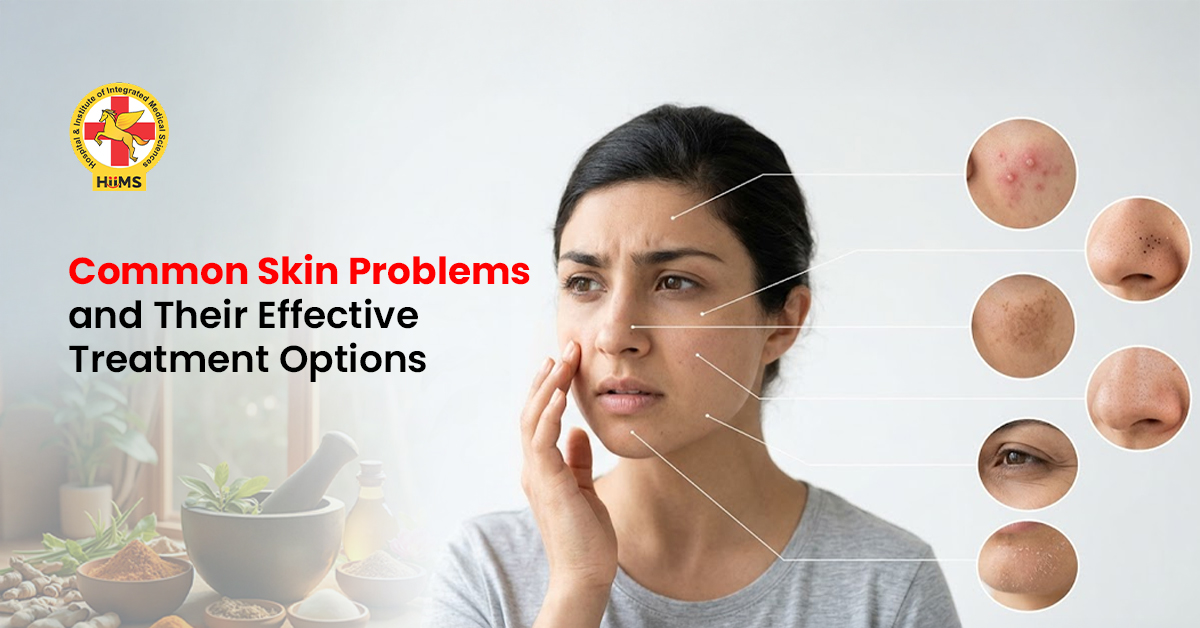
Skin problems simply mean anything that changes how your skin looks or feels. It could be
- Acne,
- Dryness,
- Redness,
- Dark spots
- Itching
- Swelling
- Patches
or even stubborn conditions that just don’t seem to leave. Sometimes it happens because of dust, weather, or using the wrong products. Other times, it has more to do with what is going on inside your body, like poor eating habits, stress, or lack of sleep.
Many people ignore early signs, thinking it is just temporary. But your skin often gives early warnings. If you pay attention, it tells you when something is off.
What is the Difference Between Skin Disease and Skin Infection?
This is where people usually get confused. Not every skin issue is the same, even if it looks similar.
Skin diseases are usually long lasting. They don’t appear overnight and disappear the next day. Conditions like eczema or psoriasis tend to stay and may come and go in phases. These are not caused by germs, and you can’t catch them from someone else. They are more connected to internal imbalances.
Skin infections are different. These are caused by bacteria, fungi, or viruses. They spread faster and sometimes even pass from one person to another. You might notice itching, swelling, or unusual patches. Common skin infection types include fungal infections, boils, and viral outbreaks.
So the key difference is simple. Skin diseases develop within the body. Skin infections come from outside organisms.
How Can Ayurveda Help Reverse Skin Problems?
Ayurveda takes a very grounded approach. It does not rush. It does not try to hide the problem. Instead, it tries to understand why it is happening in the first place.
According to Ayurveda, when your digestion is weak or your routine is messy, toxins start building up. This eventually shows up on your skin. So instead of only applying creams, Ayurveda focuses on cleaning the system from within.
Simple things are often suggested. Eating freshly cooked food. Drinking enough water. Cutting down on oily and overly spicy meals. Using natural herbs like neem and turmeric. These may sound basic, but when followed properly, they actually help.
There is also a focus on daily routine. Sleeping on time, managing stress, and keeping the body active. These are not quick tricks, but they build real change over time.
Places like Jeena Sikho HiiMS work around this idea. The aim is not just to make the skin look better for a few days, but to help the body function better so the skin improves naturally.
Does Ayurveda have effective treatment for Skin Disease and Skin Infections?
Ayurveda targets the root cause of any disease, and so it does with skin problems. Ayurveda stands on the four pillars, which are Ahar, Vihar, Shaman, and Shodhan.
- Ahar- In Ayurveda, diet is a form of medicine, so food is the first thing to start with the treatment. The DIP diet is one such effective diet that provides the utmost nutrition to build immunity against skin disease.
- Vihar- Stress can be the major cause of skin disorders. Ayurveda emphasises correcting the lifestyle. Proper timings, yoga, meditation, soaking up the sun, and connecting with nature are all a must to practice when it’s about skin health.
- Shaman- Herbs play a major role in relieving skin problems. Aloe vera, calendula, guduchi, gandhak, neem, and turmeric are always part of herbal treatment.
- Shodhan- Therapies like Panchakarma play an important role in improving skin health. It is the most vital therapy in Ayurveda to get rid of skin disease and skin infection.
In skin diseases, the effort goes into correcting what is going wrong inside. Over time, people often notice that the intensity reduces. The flare ups become less frequent, and the skin starts calming down.
At Jeena Sikho HiiMS, the focus stays on long term habits. It is less about quick relief and more about steady improvement. That difference matters more than people realize.
6 Points to Remember
- Always pay attention, even to a little problem with your skin
- Never use any random product; instead, consult a specialist
- Keep your skin clean, but avoid using chemical-based products
- Consume a proper, nutritious diet for that radiant glow
- Your skin withers with stress. Practice yoga and meditation to keep calm.
- Be patient, slow and steady results last longer.
Final thoughts
Skin problems can sometimes make you panic when nothing seems to work. But patience is the key to flawless skin. Take a step back and try to understand what your body is trying to say, and decide the best for your skin health.
Once you understand the difference between skin diseases and skin infections, you can always make the right decision. Once you know what you are dealing with, the approach becomes clearer and more precise.
Ayurveda can take some time in the beginning, but the results are always long-lasting and safe. It focuses on fixing the root cause instead of masking the symptoms. That is why many people today search for places like Jeena Sikho HiiMS, where the idea is to improve overall skin health, including physical and mental health.
At the end of the day, better skin is not just about what you apply. It is about how you live, what you eat, and how well you take care of yourself.
FAQs
- What are the most common skin problems people face?
Acne, rashes, dryness, pigmentation, eczema, and fungal infections. These can happen due to external and internal reasons. - How can I tell if it is a skin disease or a skin infection?
Skin diseases are usually long-lasting and not contagious, while skin infection types are caused by bacteria, fungi, or viruses and may spread through contact. If the condition is sudden, itchy, or spreading, it could be an infection. - Can skin problems go away on their own?
Some mild skin problems may settle on their own. However, if the issue continues for a long time or keeps coming back, it is better to consult a skin specialist. - Does Ayurveda really help with skin diseases and skin infection types?
Ayurveda focuses on improving internal health, which can support better skin over time. It may not give instant results, but with consistency, it can help manage and reduce many skin problems naturally without side effects. - What daily habits can help prevent skin problems?
Eat fresh and balanced food, drink enough water, maintain cleanliness, practice yoga, avoid using random products, and manage stress.

Disclaimer: The information provided on this blog is for general educational and informational purposes only. It is not intended to replace professional medical advice, diagnosis, or treatment. Always consult a qualified healthcare professional before making any changes to your diet, lifestyle, or treatment plan. Individual results may vary.