
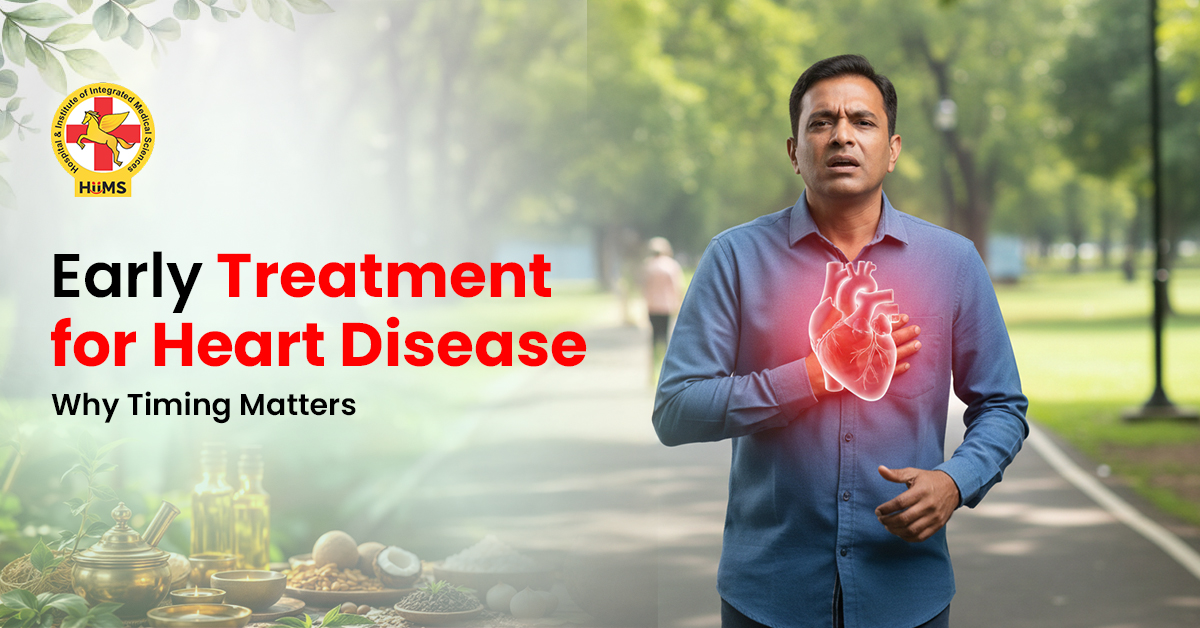
The heart is a fist-sized muscular organ and the main part of the cardiovascular system. It pumps blood throughout the body, supplies oxygen to the cells and carries away waste products. There are many conditions that can impact this organ and disturb its normal functions.
Heart Disease is not a single disease but includes a number of severe conditions that can interfere with the normal functioning of the heart. It is also known as cardiovascular disease.
These cardiovascular diseases can lead to severe conditions such as heart attacks, heart failure and sudden cardiac arrest. Each type of heart condition can have its own symptoms and requires the right type of treatment. Therefore, understanding these signs at the right time can make a huge difference and prevent you from further damage.
This blog aims to help you understand heart problems early and guide you with simple steps for heart disease prevention, so you can protect your heart before things get serious.
What is a Heart Disease?
It is a condition that affects the heart, heart muscles, and valves. It is one of the leading causes of death.
When the heart does not work properly, it struggles to send enough blood, oxygen and nutrients to the body.
That is why early signs should never be ignored, as timely care can stop the condition from getting worse. Understanding the importance of early diagnosis also helps you choose the right treatment before the problem becomes serious.
What are the Early Signs?
Cardiovascular disease is one of the most common types of heart conditions. Different heart problems can show different types of symptoms, which include:
- Heart Valve disease: Chest pain, fatigue, shortness of breath and swelling in ankles.
- Arrhythmias: Chest pain, dizziness, rapid heartbeat, and shortness of breath.
- Congenital heart defects: Blue or grey skin, swelling in the legs and belly areas, and tiredness.
- Coronary artery disease: Pain in the neck and jaw, chest pain, numbness in the legs, and shortness of breath.
- Heart failure: Persistent cough, fatigue and weakness, and breath shortening.
Noticing these early symptoms can help you understand when something is not right with your heart. Early heart disease detection gives you a better chance to manage the problem before it becomes serious.
Who is at Higher Risk?
There are many factors that can lead to the development of heart disease. Some of these risks come from our daily habits, while others may be linked to family history or existing health issues. This is where the importance of early diagnosis becomes truly helpful, as it allows timely care before the problem grows.
-
- Age factor: Risk of heart diseases increases with the increased age
- Genetics: Family history can increase the risk factor of developing heart diseases.
- lifestyle choices: Unhealthy lifestyle habits such as smoking, excessive stress, consuming alcohol may develop heart diseases.
- Other conditions: Other medical conditions such as obesity, high cholesterol level or high blood pressure can result in heart diseases.
Understanding the early signs of heart disease can make a big difference in protecting your heart.
Natural Treatments for the Heart Disease
Natural care for the heart focuses on strengthening the body gently and improving overall well-being. With timely heart treatment, natural therapies can help manage symptoms early and reduce the chances of the disease getting worse. Many people choose these options because they are soothing and work well alongside regular medical care.
- Herbal Remedies:
There are different herbs that are used to support healthy blood flow and ease stress on the heart, including:
- Arjuna: Strengthen the heart muscles.
- Ashwagandha: Lower stress and preserve cortisol level.
- Guggul: Lower cholesterol and avoid arterial blockage.
These natural herbs improve cardiovascular disease treatments and the overall well-being of the body.
- Hridya Basti
A soft dough ring is kept on the chest to hold a warm herbal medicinal oil over the heart area. It serves as a gentle, supportive remedy for heart-related concerns such as:
- It helps in relaxing the heart area
- Improves circulation by balancing the doshas
- Lowers anxiety and tension
The oils and herbs used in this treatment are chosen based on the patient’s condition.
- Panchkarma Therapy
It is an Ayurvedic detoxification therapy that includes five deep cleaning practices that help by removing toxins and stress on the heart. The process includes therapies like:
- Vamana
- Virechana
- Basti
- Nasya
- Raktamokshana
These therapies are completely natural and aim to support healthy blood flow, ease stress on the heart, and encourage better lifestyle habits.
Change in Dietary and lifestyle Habits for Heart Health
Even a few small, practical lifestyle and dietary changes can improve the health of our heart, and these include:
- Stress management
- Slow and mindful meals
- Regular exercise and breathing practices for heart patients
- Proper sleep
- Avoiding packaged and processed food
Mindful changes in dietary and lifestyle habits can create a huge difference and prevent us from further damage.
When Should You Seek a Doctor?
A heart specialist doesn’t just look at reports but also looks at patterns in your lifestyle, small signs patients miss, and the long-term picture. It’s always better to visit a doctor when you notice the small signs, such as chest pain, tiredness, and shortness of breath.
These signs sometimes show the underlying heart issue that needs proper attention. Early consultation can prevent you from many complications.
Conclusion
Taking care of your heart does not always need a big change. Understanding the early signs of disease and taking proper action at the right time can prevent you from bigger issues.
Simple habits, regular check-ups, and natural care can keep your heart healthy and improve your overall well-being.
With the right support and a bit of patience, you can help yourself reduce the risk of heart disease. For natural care and guidance, you may reach Jeena Sikho HiiMS Hospital or write to care@jeenasikho.com.
FAQ
Q1. What are the common signs of heart disease?
Shortness of breath, increased heart rate, and tiredness are some of the common symptoms of heart disease.
Q2. What are the risk factors of heart disease?
Genetics, smoking, consuming alcohol and lifestyle habits develop the risk of heart disease.
Q3. What are the different conditions associated with heart disease?
Heart attack, heart failure, heart valve disease and sudden cardiac arrest.
Q4. How can I avoid the risk of a heart attack naturally?
Managing stress levels and lifestyle changes can reduce the risk of heart disease.
Q5. What are the herbs used for the treatment of heart disease?
Arjuna, Guggul and Ashwagandha help in improving blood circulation and easing stress on the heart.
