
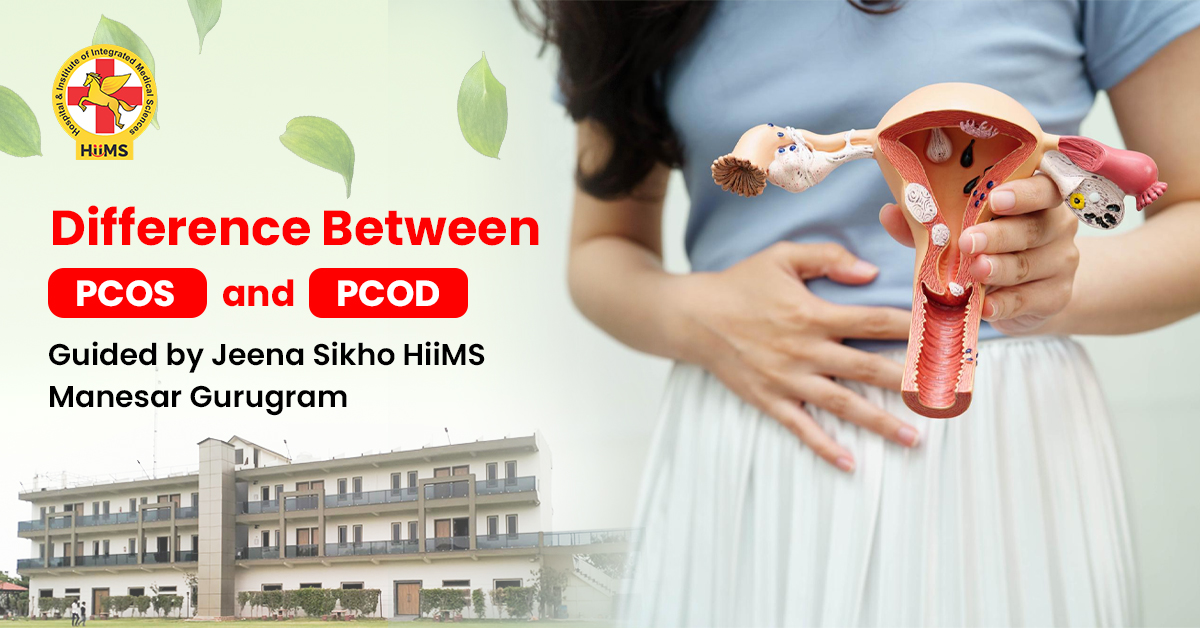
Many women get confused between PCOS and PCOD; they sound similar, but they are not the same. Understanding the difference between PCOS and PCOD is important for proper treatment and care.
Both conditions affect a woman’s hormonal balance and menstrual cycles. PCOD (Polycystic Ovarian Disease) is common and mostly affects the ovaries, leading to irregular periods, acne, weight gain, and sometimes infertility.
On the other hand, PCOS (Polycystic Ovarian Syndrome) is more complex. It affects the whole body, especially metabolism, causing insulin resistance, hormonal imbalance, and a higher chance of heart issues or diabetes.
Knowing these differences helps women choose the right treatment for their condition. Early guidance from an infertility specialist can make a huge difference in managing symptoms and improving fertility.
This blog aims to educate women about the key differences between PCOS and PCOD, help them understand their symptoms clearly, and guide them toward the right treatment options.
What is PCOD & PCOS Problem in Females?
PCOD is a condition where the ovaries produce immature or partially mature eggs, which may form cysts or cause swelling in the ovaries. It usually happens due to hormonal imbalance, stress, lifestyle issues, or hereditary factors. This highlights the difference between PCOS and PCOD, as PCOD mainly affects the ovaries.
PCOS, on the other hand, is a more serious endocrine disorder that affects the entire body. It is less common than PCOD but has a stronger impact on metabolism, insulin resistance, and overall hormonal balance.
What are the Symptoms?
The common symptoms the body shows if you have PCOS or PCOD include:
- Irregular or delayed periods
- Acne and oily skin
- Weight gain, especially around the belly
- Hair thinning on the scalp
- Hair growth in unwanted areas
- Mood swings and fatigue
- Insulin resistance
- Increased risk of heart disease and sleep disorders
Most women with PCOD and PCOS can control their symptoms with a healthy PCOD diet, regular exercise, and simple lifestyle changes. Early treatment often prevents severe complications and supports fertility.
What Causes PCOS & PCOD?
PCOS and PCOD do not happen suddenly. They usually develop over time due to a mix of lifestyle, hormonal, and internal body factors.
Common causes of PCOD & PCOS include:
- Hormonal imbalance
- Poor lifestyle habits like irregular sleep and a lack of exercise
- Unhealthy eating habits and frequent junk food intake
- Stress and mental pressure
- Family history (genetic tendency)
Understanding the cause helps in choosing the right treatment at the right time, especially when women are trying to understand what is PCOD problem in females and how it affects the body.
What are the Key Difference Between PCOS and PCOD?
Many women think PCOS and PCOD are the same, but there are important differences. PCOD (Polycystic Ovarian Disease) is more common and usually less severe. It mainly affects the ovaries, causing cysts from immature eggs, but simple lifestyle changes and a proper diet can often manage it, and fertility is usually manageable with care.
On the other hand, PCOS (Polycystic Ovarian Syndrome) is less common but more serious. It is an endocrine disorder that affects the whole body, including metabolism, and may require hormone therapy and medical treatment.
Infertility is a concern in both conditions, but conception is generally more challenging in PCOS due to significant hormonal imbalances. Understanding these differences helps women take the right steps and consult an infertility specialist when needed.
When to Consult a Specialist
If symptoms continue or worsen, visiting a PCOS specialist is important. Signs to consult include:
- Irregular or missed periods
- Acne, hair growth changes, or sudden weight changes
- Fatigue, bloating, or mood swings
- Difficulty conceiving
Understanding the early signs of the condition and seeking proper guidance can help you receive the right treatment and prevent serious complications.
Natural PCOD & PCOS Treatment: Focus on the Root, Not Just Symptoms
Jeena Sikho HiiMS Manesar Gurugram follows the holistic approach for treating PCOD and PCOS. Their main focus is not just about curing symptoms but treating the root cause of the disease. The treatments they include are:
1. Lifestyle Changes
Small changes in daily habits can prevent the condition from getting worse. These include:
- Proper sleep routine
- Rest enough
- Gentle walk
- Practice yogasana like Badha Konasana, Malasana, Vajrasana, or Ujjayi pranayama
- Practice mental relaxation
- Eat meals on time
2. Gentle Detox & Cleansing
Panchakarma therapy is an Ayurvedic-based detoxification therapy that removes toxins from the body. It includes five steps, which are:
- Vamana
- Virechana
- Basti
- Nasya
- Raktamokshana
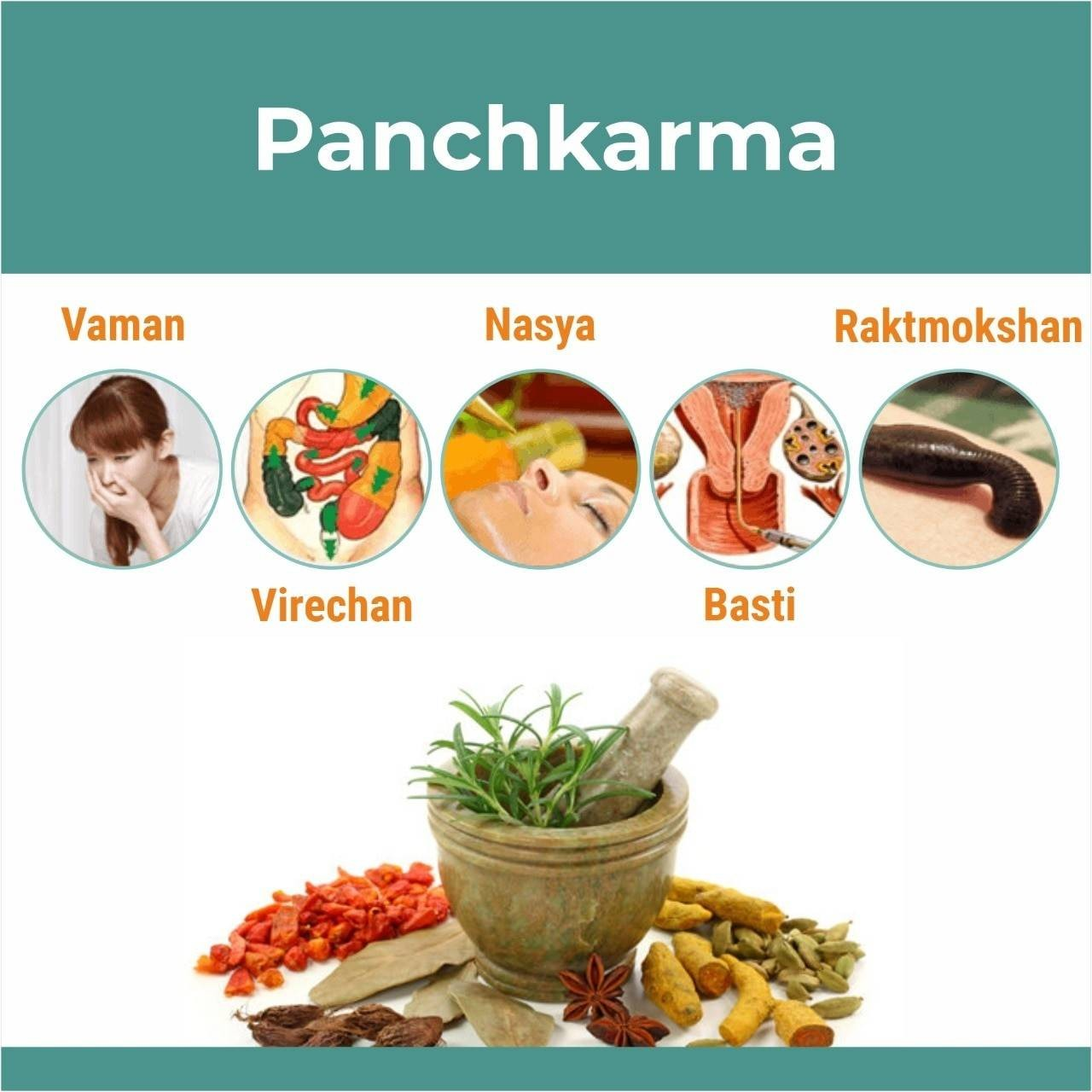
These therapies are safe, gentle, and easy on the body, which strengthens the lower abdomen, reproductive system, regulates cycles, and balances hormones.
3. Herbal Support
Herbs which are used to treat the condition of PCOS & PCOD, include:
- Shatavari nourishes the uterus and balances hormones.
- Ashoka keeps hormonal balance.
- Lodhra reduces acne.
- Triphala helps digestion.
- Ashwagandha calms stress and supports hormone health.
These combined approaches help women restore balance, improve fertility, and feel healthier overall.
Importance of a PCOD Diet
A proper PCOD diet can help regulate hormones, improve digestion, and manage weight. Some tips include:
- Eat more fruits, vegetables, and home-cooked meals
- Avoid sugar, refined flour, junk, and oily foods
- Have lighter meals during periods
- Drink warm water with desi ghee in the morning for gentle cleansing
At Jeena Sikho HiiMS Manesar Gurugram, it is often recommended by PCOS specialists as part of a complete treatment plan.
Conclusion
Understanding the difference between PCOS and PCOD is the first step toward managing these conditions effectively. By knowing the symptoms and causes of the disease, one can take the right steps toward managing the condition.
With the right guidance, lifestyle changes, and support from PCOS specialists, women can control symptoms, improve fertility, and lead a healthy life. Early care and awareness make a big difference in overall well-being.
For gentle and safe treatment, contact us at +91 93136-66680, or email care@jeenasikho.com.
FAQs
Q1: What causes PCOD?
Ans. Poor lifestyle habits, hormonal imbalance, or family history.
Q2. Which herbs help in managing PCOS?
Ans. Triphala, shatavari, lodhra, or ashwagandha.
Q3: Which is the best hospital for the treatment of PCOS?
Ans. Jeena Sikho HiiMS Manesar Gurugram provides natural treatments for PCOS.
Q4. Can women with PCOD get pregnant?
Ans. Managing symptoms, maintaining a healthy weight, and following the right diet and lifestyle can help improve fertility.
Q5. Can PCOD change into PCOS?
Ans. PCOD can develop into PCOS if hormonal imbalance and insulin resistance increase over time. However, this does not happen to every woman with PCOD.