

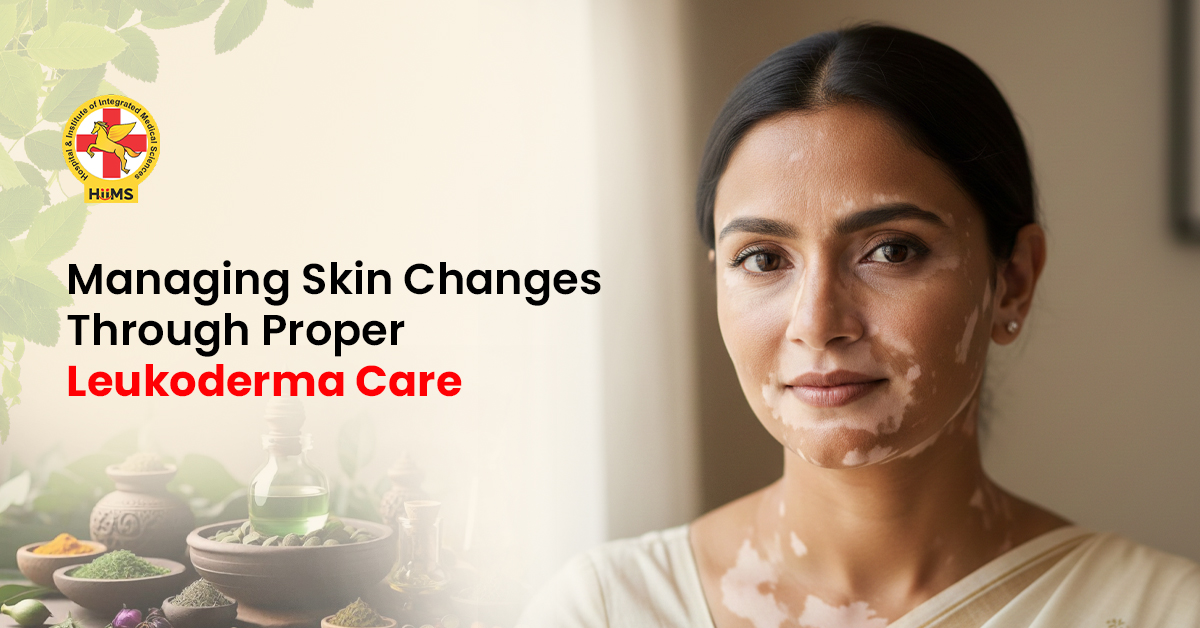
Leukoderma is a condition where certain parts of the skin start losing their natural pigment. The result is lighter patches that slowly become easier to notice. Pain is usually not present, and irritation also tends to be absent. Because of this, the change does not always feel serious in the beginning.
Many people notice these patches early. They see them, think about it for a moment, and then move on. Life feels normal, so the concern fades. Since the process is slow and discomfort is missing, guidance is often delayed. This delay is common.
Leukoderma care becomes relevant because the condition is not limited to what appears on the skin. Internal health plays a role, too. Digestion, daily routine, long-term habits, and lifestyle patterns all affect how the body maintains tissue balance. When early signs are ignored or random remedies are tried, understanding gets delayed further. Over time, patches may spread or become more defined. At that stage, management often feels more complex.
This blog is written for individuals and families who are looking for practical and clear information about leukoderma. It explains how the condition develops, which factors are commonly involved, why early signs are often missed, and how care is usually planned in a healthcare setting. The focus stays on informed decisions and guided care, not on promises.
How Leukoderma Develops Over Time
Leukoderma develops when the melanin, the pigment responsible for skin color, reduces or stops forming in certain parts of the skin. This change does not happen suddenly. In the early phase, patches are often faint and limited in size, which is easy to overlook.
Skin health often reflects what is happening internally. Long-standing digestive imbalance, disturbed metabolism, or an irregular routine can slowly affect tissue nourishment. When this internal imbalance continues without correction, it may start appearing externally as skin discoloration. The process remains slow; that is why leukoderma often progresses without drawing immediate attention.
Understanding this gradual pattern helps set realistic expectations. Care is also approached as a long-term process. Observation and patience both matter here.
Common Causes and Why Early Signs Are Often Missed
Leukoderma usually develops due to multiple internal and external factors rather than a single cause. The condition progresses at a slow pace and rarely causes discomfort. Early signs are easy to miss for this reason. Awareness of the contributing factors helps in planning care without delay.
Common contributing factors include:
- Long-term digestive weakness affecting nutrient absorption
- Irregular eating habits and disturbed daily routine
- Chronic mental stress over extended periods
- Family history of pigment-related skin conditions
- Nutritional deficiencies developing gradually
- Previous skin injury or prolonged chemical exposure
Early patches are often small, light in color, and painless. Because of this, many people ignore them. Consulting a leukoderma doctor at this stage helps in accurate assessment, even when immediate treatment is not required.
Natural Therapies Used for Skin Balance in Leukoderma Care
In Ayurvedic practice, skin changes are not viewed in isolation. At Jeena Sikho HiiMS, leukoderma care is planned only after reviewing digestion, daily routine, food habits, stress exposure, and overall physical strength. The focus remains on correcting internal imbalance gradually and not only on visible patches.
Natural therapies are selected to help create a stable internal environment. Over time, this approach may allow the skin to respond more steadily. The intent is guided and sustainable care.
Panchakarma Therapy
Panchakarma is a classical detoxification system carried out through five main procedures: Vamana, Virechana, Basti, Nasya, and Raktamokshana. These therapies are not used for everyone. Selection is done only after a proper medical assessment. Factors such as age, physical strength, digestion, and disease stage are also considered.
The process focuses on removing accumulated toxins and supporting digestive efficiency. Internal balance and immunity are also addressed. In leukoderma treatment, this internal regulation is considered important over the long term.
Herbal Support in Leukoderma Treatment
Herbal formulations are prescribed cautiously and only under professional supervision. Herbs such as neem, haldi, manjistha, anantmool, and bakuchi are traditionally used in skin-related conditions. Mainly for internal purification, blood balance, and pigmentation support.
These herbs are not used as a standalone leukoderma medicine. They form part of a well-structured care plan. Their use is monitored on a regular basis, and changes are made depending on how the body responds. In Ayurvedic practice, herbs such as turmeric, bakuchi, neem, and aloe vera are commonly associated with vitiligo and leukoderma cure. Mainly for maintaining skin balance and reducing inflammation.
Diet and Lifestyle Role in Skin Balance
Diet plays an important role in maintaining skin health. In guided leukoderma care, emphasis is placed on simple, fresh, home-cooked meals. Meals that support digestion and nutrient absorption. Seasonal fruits, vegetables, and adequate water intake are encouraged.
Heavy, processed, and incompatible food combinations are usually avoided, as they tend to increase internal stress. Lifestyle correction is addressed alongside diet.
Yoga, controlled breathing, proper sleep, and stress regulation help maintain nervous system balance. These practices are simple. When followed with consistency, they support overall well-being during the leukoderma treatment.
Importance of Medical Supervision and Follow-Up
Self-treatment without guidance often leads to confusion, and the results also remain uneven. Consulting a trained leukoderma doctor helps take care of the issue in a realistic manner. Regular follow-ups allow progress to be observed over time. Adjustments are also made when they are required.
Medical supervision also helps in maintaining safety, especially when detox therapies or herbal medicines are involved. This structured approach allows individuals to understand their condition more clearly and move forward with confidence.
Conclusion
Leukoderma involves gradual changes in skin pigmentation. Digestion, lifestyle, and long-term internal balance all play their important roles, respectively. Early understanding of leukoderma care helps reduce delay and confusion. Ayurvedic care focuses on the individual assessment, guided therapies, dietary regulation, and routine discipline.
A structured approach supports clarity and informed choices over time. For further guidance or information on care options, you may call +91 82704 82704 or write to care@jeenasikho.com
FAQs
1. Does leukoderma cause pain or itching?
In most cases, leukoderma patches do not cause pain, itching, or irritation.
2. Can leukoderma spread over time?
In some individuals, patches remain stable. In others, they may gradually increase.
3. How is leukoderma diagnosed?
Diagnosis is based on the clinical examination, medical history, and supporting investigations if required.
4. How long does leukoderma treatment take?
Duration varies depending on patch extent and individual response to care.
5. When should someone consult a leukoderma doctor?
Medical consultation is advised when skin patches are first noticed or if they begin to show progression.
