

There are days when even a simple meal starts feeling uncomfortable, not because the food is wrong, but because something inside the mouth keeps reminding you it is there. A small sore, barely visible, suddenly makes chewing slow, talking slightly awkward, and even a normal thing like water feels harder than usual. Most people ignore this issue at first, thinking it will be resolved on its own, and often it does, but not always in the same way for everyone.
What makes it confusing is how frequently it returns for some people, almost like a pattern connected to daily habits, food choices, or even how the body feels internally. This is where understanding mouth ulcer symptoms becomes important, because these small signs are very rarely random. They usually point toward something deeper that needs attention.
In this blog, you will understand what mouth ulcers are, how their symptoms appear, and what actually causes them over time.
What Are Mouth Ulcers, Actually?
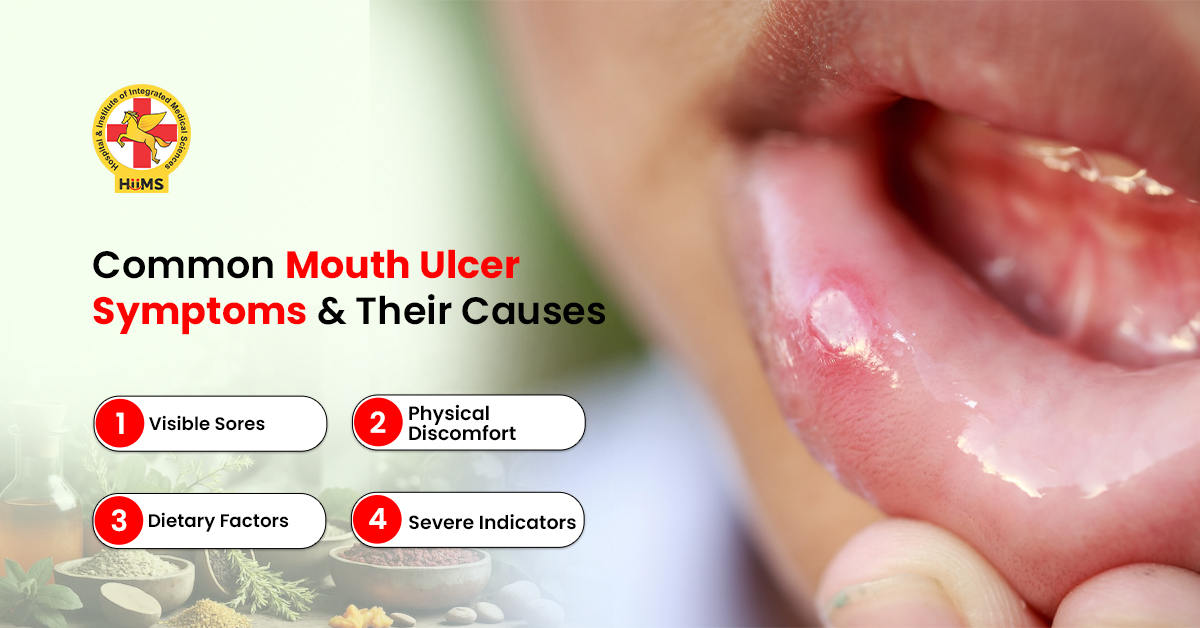
Mouth ulcers are small sores that form on the soft tissues inside the mouth, usually on the tongue, inner cheeks, gums, or lips. They usually look round or oval, with a pale white or yellow center and a red border around them. While some remain small and heal within a few days, others may stay longer and feel more irritated.
Most people experience minor ulcers at some point, which settle without much effort, but recurring ones tend to need better care and a proper ulcer treatment approach. It is also worth noting that these ulcers are different from stomach-related issues, even though people often confuse them.
Early Mouth Ulcer Symptoms People Usually Ignore
Before the sore becomes clearly visible, the body often gives small hints that are easy to miss. Such as a slight burning sensation while eating, a mild irritation when something spicy touches a certain spot, or a tingling feeling inside the cheek are all early mouth ulcer symptoms. At this stage, the discomfort feels manageable, so most people continue their routine without much thought.
However, noticing these early changes can actually make a difference, because early care can prevent the ulcer from becoming more painful later.
Common Mouth Ulcer Symptoms You Should Not Overlook
When the ulcer settles in properly, you start noticing it more during the day. A small sore becomes visible, with a clear center, and the area around it may feel a bit tender or lightly swollen. Eating food, especially anything spicy or sour, can give a sharp stinging feeling that is hard to ignore.
Pain while chewing or even speaking for long periods is quite common. These mouth ulcer symptoms are not just random reactions but signals that the body is trying to communicate something.
Ignoring them repeatedly often leads to frequent recurrence.
Why Do Mouth Ulcers Happen in the First Place?
Mouth ulcers don’t just happen for no reason. Many times, small everyday habits end up playing a role in how they develop over time.
At times, even a small injury inside the mouth, like accidentally biting your cheek or feeling irritation from sharp teeth or braces, can lead to an ulcer. Food habits also have their part in it. Regular consumption of spicy, very hot, or acidic food can irritate the inner lining of the mouth, making it more sensitive.
From a broader view, digestion has a strong connection here. When digestion weakens or becomes irregular, the body may build internal heat, which shows up as repeated sores. Stress and poor sleep further disturb this balance, making ulcers more frequent.
Nutritional gaps, especially low levels of vitamin B12 or iron, can also lead to recurring issues.
In such cases, relying only on a quick ulcer solution like chemical based medicine may not address the root cause.
The Hidden Link Between Digestion and Mouth Ulcers
Most people think mouth ulcers are just a small problem on the surface, but that’s not always the case. When digestion goes a bit off track, the body doesn’t deal with food as smoothly, and over time this can lead to a kind of internal disturbance that starts showing up in different ways.
This imbalance can reflect in the mouth as recurring ulcers. That is why only applying a local ulcer treatment might give temporary relief, but improving digestion often reduces the chances of them coming back again.
Mouth Ulcers vs Stomach Ulcers – Don’t Confuse Them
It is common to mix up mouth ulcers with stomach ulcers, but both are quite different. Mouth ulcers show up on the inner lining of the mouth and usually make eating or speaking feel uncomfortable.
On the other hand, stomach ulcers affect the digestive lining and usually cause symptoms like burning pain in the abdomen, bloating, or acidity. Because the causes and symptoms differ, the ulcer treatment for each condition also follows a different path.
When Do Mouth Ulcers Need Proper Attention?
Most mouth ulcers heal within a week or two, but some situations need closer attention. If a sore lasts longer than expected, appears frequently, or causes intense pain, it should not be ignored.
Sometimes, ulcers may also come along with fatigue or digestive discomfort, which indicates that the issue may not be limited to the mouth alone. In such cases, depending only on mouth ulcer medicine may not be enough, and a deeper approach becomes necessary.
Why Just Using Mouth Ulcer Medicine Is Not Always Enough
Many people turn to quick remedies or over-the-counter mouth ulcer medicine for relief, and while these may reduce pain for a while, they do not always prevent recurrence.
If the reason behind it is linked to digestion, stress, or a lack of proper nutrients, the ulcer can come back again after some time. A proper ulcer solution, whether natural or Ayurvedic, basically that helps for the long term, should not only calm the visible sore but also work on fixing these internal factors.
Conclusion
Mouth ulcers may look small, but they often reflect what is happening inside the body in subtle ways. When you notice mouth ulcer symptoms early, it becomes easier to understand what your body is trying to tell you instead of letting the discomfort build up over time.
When you combine natural care, balanced eating, and mindful daily habits, the chances of frequent ulcers naturally reduce over time. Instead of depending only on temporary relief, focusing on the root cause brings better and lasting comfort.
If you are looking for a guided and natural approach, you can also arrange for VOPD consultation for your health issue with expert doctors at Jeena Sikho HiiMS Ajmer.
FAQs
1. What are the first signs of a mouth ulcer?
A slight burning or tingling sensation inside the mouth often appears before the sore becomes visible.
2. How long do mouth ulcers usually take to heal?
Most ulcers heal within 7 to 14 days if proper care and hygiene are maintained.
3. Can food habits cause frequent mouth ulcers?
Spicy, acidic, or irregular eating patterns can irritate the mouth and increase the chances of ulcers.
4. Is digestion connected to mouth ulcers?
Weak digestion can create an internal imbalance, which may lead to recurring ulcers over time.
5. When should someone seek proper ulcer treatment?
If ulcers last too long, come back often, or cause severe pain, it is better to consider proper care.