
In today’s fast and busy lifestyle, many people ignore small skin problems, thinking they are just due to dryness, weather change, allergy, or dust. A little itching, some flakes on clothes, or rough skin often feels normal, so we don’t take it seriously. We apply some cream and move on. But sometimes, these small signs are not normal.
Psoriasis is not just a normal skin problem. It is a long-term condition linked to the immune system. In the beginning, it often looks harmless. Over time, it can become uncomfortable, painful, and difficult to manage if proper care is not taken. Many people visit doctors only when the patches become thick, red, and hard to hide. By then, the condition is already advanced.
This blog is written to help you understand the early signs of psoriasis, psoriasis symptoms, how it slowly develops, what relief options are available, and how it can be managed in the long run. With this information, you can take the right action and find a psoriasis solution at the right time for better skin health.
What Is Psoriasis?
Psoriasis is a very long-term skin condition in which the skin cells grow too fast and form very thick, dry, and scaly patches on the skin. It is linked to the immune system, genetics, stress, and lifestyle. Psoriasis does not spread by contact. It comes and goes in phases, with some periods being worse and others calmer. Psoriasis is triggered by weak immunity, bad eating habits, stress, infections, and unhealthy routines. When these disturb the body’s balance, skin problems increase. With the right treatment and healthy habits, it can be managed well for many years.
Early Signs of Psoriasis You Should Never Ignore
In the beginning, psoriasis looks very mild. Most people ignore it, thinking it is just dryness or a small allergy. Here are the first warning signs of psoriasis:
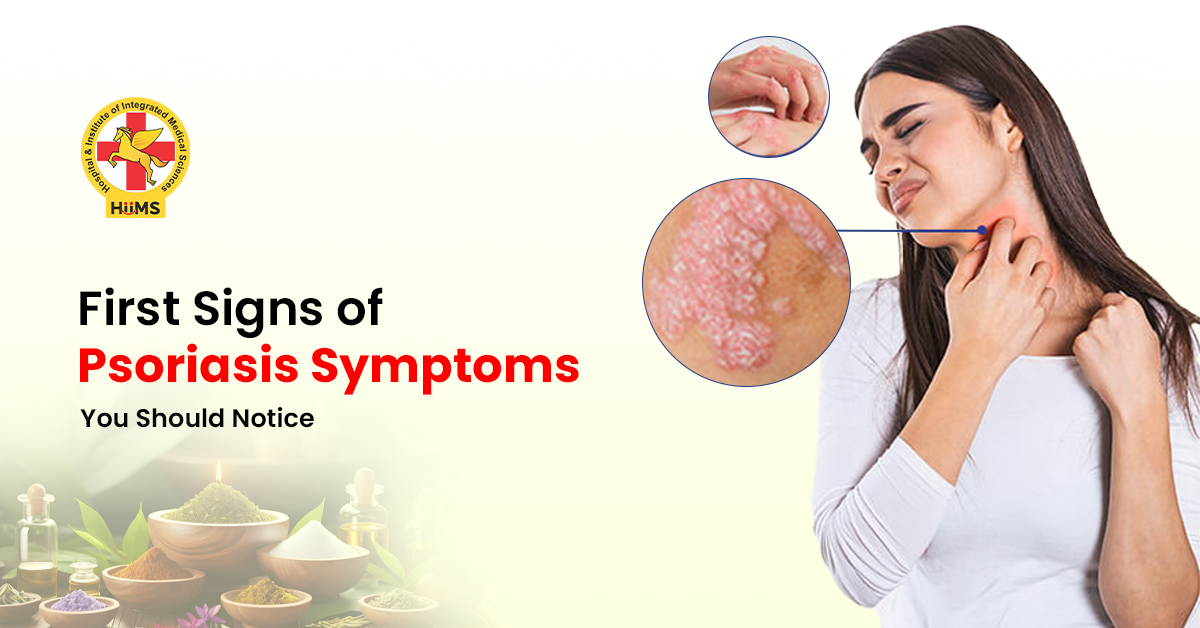
- Dry and Rough Skin Patches: Persistent dryness and rough texture may appear on the elbows, knees, scalp, and behind the ears despite regular use of moisturizers.
- Mild Itching or Burning Sensation: At first, itching is not very strong. You may feel light irritation, slight burning, or a tingling sensation on the skin. Many people think this is due to dust, allergy, or weather change.
- Red or Pink Areas on Skin: Small red or pink patches may appear, especially after stress, illness, or seasonal changes. Slowly, these patches become darker, thicker, and more noticeable.
- White or Silvery Flakes: White flakes may fall on clothes, pillows, or from the scalp. The head may feel rough and scaly. Most people confuse this with dandruff.
- Small Cracks in Skin: When the skin becomes too dry, small cracks start forming, mainly in cold or dry weather. These cracks may bleed sometimes and cause discomfort and skin irritation.
- Nail Changes in Psoriasis: Yellow discoloration, thickening, pitting, and lifting of nails may indicate internal involvement.
How Psoriasis Symptoms Change Over Time
At first, many people think it is just dryness or allergy. So they ignore it. Over time, psoriasis slowly starts getting worse. The skin turns thick and rough with heavy scaling. Cracks start forming and cause pain. There is always a burning sensation. With time, joint swelling makes normal movements uncomfortable. Wearing rough clothes can irritate the skin, and slowly, daily routine and sleep start getting disturbed.
Common Areas Where Psoriasis Appears
Psoriasis does not appear randomly on the body. It usually affects certain areas more than others. Common areas where psoriasis appears include the scalp, elbows, knees, lower back, palms and feet, face (in some cases), and nails.
If you notice patches coming again and again in these areas, do not ignore them. It is a sign for you to understand that your skin needs proper medical attention and timely care.
Managing Daily Discomfort in Psoriasis
Taking care of your skin every day makes a big difference in psoriasis relief.
- Regular use of mild moisturizers keeps the skin healthy.
- Staying away from harsh soaps and scrubs protects sensitive skin.
- Reducing stress with yoga, walking, and good sleep helps the body recover naturally.
- Soft clothes and not scratching also keep the skin comfortable.
Psoriasis Medicine: What Is Commonly Used?
Doctors usually suggest psoriasis medicines based on how serious the condition is. These may include natural creams and ointments, medicated organic shampoos, oral medicines in some cases, and immune-related drugs for severe symptoms. These medicines mainly help in controlling itching, redness, and scaling. They provide temporary relief and improve skin appearance, but they do not remove the root cause. That is why many people experience flare-ups again after stopping treatment.
Psoriasis Therapy: Beyond Just Creams
Modern psoriasis treatment focuses on the whole body, not just the skin. It includes internal balancing, diet correction, lifestyle improvement, and natural support.
At Jeena Sikho HiiMS, a holistic Ayurvedic approach is followed for long-term relief. For psoriasis therapy, detox therapies help clean the liver, gut, and blood, while herbal support improves digestion, immunity, and skin health. External therapies reduce dryness and itching, and diet guidance helps control flare-ups.
When Should You See a Doctor?
You should see a doctor if patches keep spreading, itching becomes severe, cracks start bleeding, nails are affected, daily life is disturbed, or sleep is affected. Do not delay treatment, because early care always gives better results. For proper guidance and natural treatment, you can consult expert doctors at Jeena Sikho HiiMS.
Conclusion
Psoriasis does not start suddenly. It gives early signs like dryness, itching, flakes, and red patches. When timely treatment is done, many serious problems get avoided. Do not rely on short-term solutions or false promises. Choose proper treatment and healthy lifestyle habits. For expert help and guidance on psoriasis symptoms, contact Jeena Sikho HiiMS at +91 82704 82704 or email care@jeenasikho.com.
FAQs
1. What are the early signs of psoriasis?
In the beginning, you may notice dry skin, light itching, small red patches, and white flakes on the skin.
2. Is psoriasis contagious?
Psoriasis does not spread from person to person.
3. Does food affect psoriasis?
Junk food, sugar, and alcohol can increase flare-ups.
4. Can stress worsen psoriasis?
Stress is a major trigger for psoriasis symptoms.
5. Can lifestyle changes help?
Healthy habits help control symptoms in the long run.